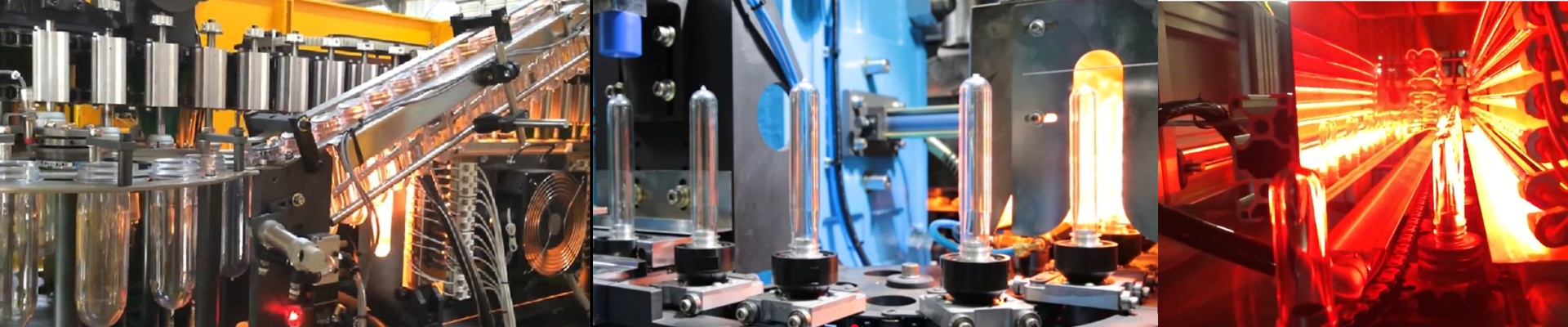

The Inside Scoop: What Makes These Heaters Tick
Here’s the thing about these WiFi electric heaters: we built them for the places where running wires just isn’t practical. You know those tight spots where you’d have to tear a machine apart just to get a line in? Yeah, this is the solution. They run on 230V or 400V, and the power can scale anywhere from 500W to 3000W. That means you can dial it in to exactly match the heat your process actually needs. We keep the footprint small, too—so it slips into those cramped machine bays without forcing you to redesign everything. You pick the wattage based on how fast you need to heat up and what you need once it’s steady. Then you match the voltage to whatever your plant is already running. Simple.
Built to Take a Beating on the Factory Floor
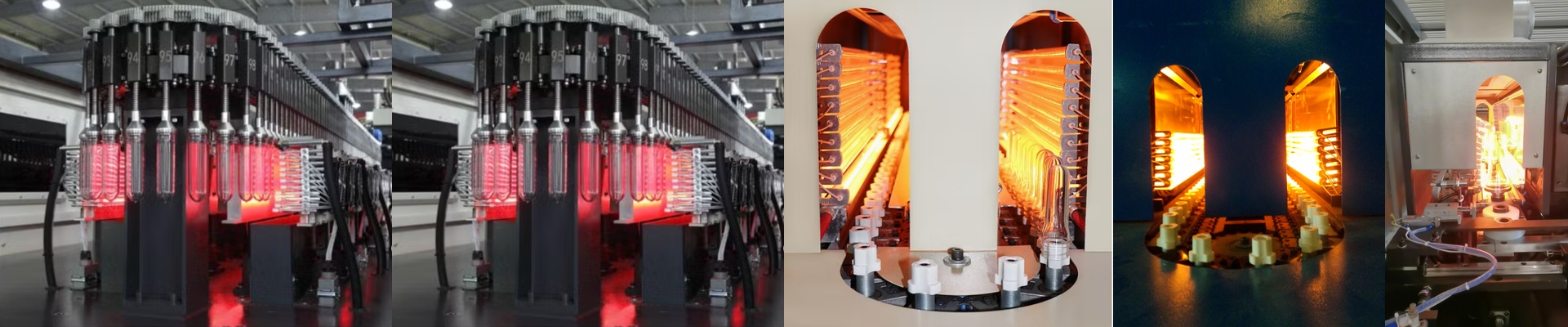
The heart of it is a high-temperature quartz halogen lamp. Why? Because it responds fast and stays steady, even when the duty cycle keeps changing. There’s a reflective coating that funnels infrared energy right where you want it—boosting the heat on the target while keeping nearby parts safe. And when it comes to hooking it up, we keep it straightforward: solid terminal blocks and standard wiring points. Hook it up quick, and if it ever needs service, you’re not dismantling the whole machine. The housing? Steel or aluminum, tough enough to handle industrial vibration and dust. It’s meant to live in the real world, not behind a clean office wall.
Why WiFi Control Actually Matters in Practice
Let’s talk about the wireless part. It gives you the freedom to tweak setpoints, schedule the heat-up, and keep an eye on the temperature—all from one central dashboard. No more sending someone over every time you need to adjust a cycle. It cuts down on mistakes, especially on those repetitive runs. You get consistent heat profiles, whether you’re drying plastics, pre-heating molds, or keeping fluid lines from getting sluggish. Now, there is a trade-off. Going wireless means more electronics, and it needs a stable network. So you want to keep the controller out of extreme heat, and make sure the network is solid before you go all-in.