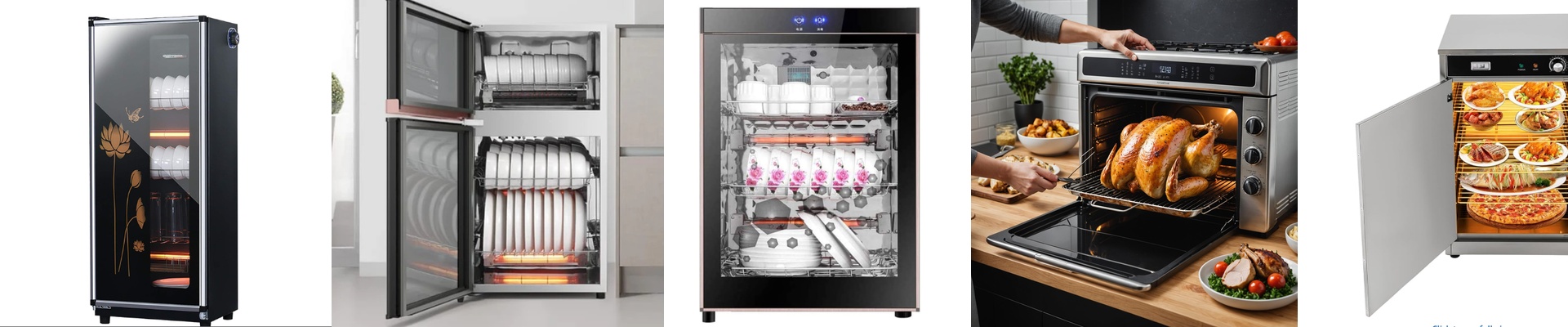
The line is packed. Tickets are piling up, and the griddle is lagging. You crank the knob, wait for the recovery, and watch heat chase the cold spots across the steel. Every second the surface isn’t at temp is a second lost to ticket time, to overcooked product, and to a fried crew. In a commercial kitchen, the griddle becomes the bottleneck the moment it can’t snap back to target. The fix isn’t bigger gas lines or heavier cast iron. It’s the right electric infrared bulb—built for 220V operation, matched to the griddle’s footprint, and tuned to deliver heat the instant you need it.
What actually matters under the hood
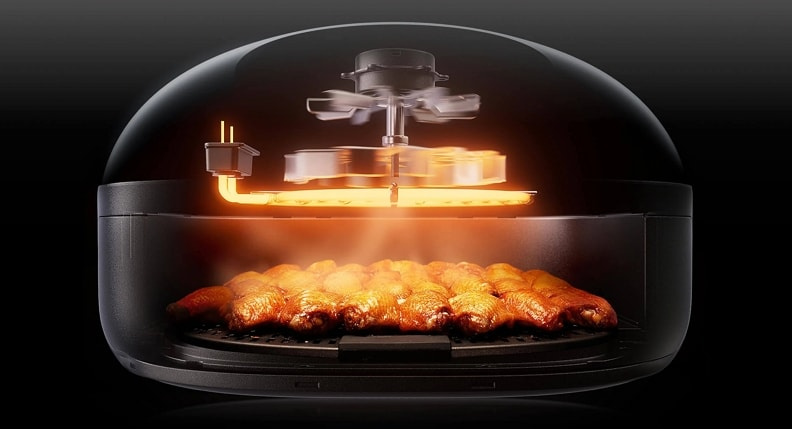
A 220V infrared bulb for griddles isn’t just a replacement lamp. It’s a purpose-built heating system that turns electricity into radiant heat and puts that heat where it counts—on the cooking surface.
- **Voltage and power:**220V is the sweet spot in commercial kitchens because it delivers higher power with lower amperage draw than 110V. That means stronger heat output without overloading circuits, and it keeps the griddle recovering fast after a cold plate hits the surface.
- **Infrared spectrum:**These bulbs emit short-wave infrared that penetrates the metal and brings it up to temperature quickly. You’re not just getting surface warmth; you get immediate, consistent heat that translates into consistent searing and consistent cook times.
- **Instant response:**Unlike heavy cast elements that soak up heat and release it slowly, infrared bulbs heat the moment they’re energized. You get near-instant recovery on the griddle, which matters most during rush when long pauses will kill you.
- **Targeted heat profile:**The bulb’s geometry and mounting position are chosen to create an even heat band across the griddle. When sized correctly, it knocks out hot edges and cold centers, so every burger, every egg, every vegetable hits the same temperature.
- **Control compatibility:**Infrared bulbs play cleanly with thermostats and solid-state controls. That gives you precise temperature management—hold 375°F, 425°F, or 500°F with repeatable results, and adjust quickly when your menu shifts.
Why this works in the real world
A griddle lives in cycles: heavy load, high heat; then idle; then heavy load again. When the heating element can’t keep up, those cycles drag, and service slows. A 220V infrared bulb shortens the cycle. It brings the griddle back to setpoint in a fraction of the time traditional methods take to recover. That speed does two things. It boosts output. You can run more plates through the same window because the surface never drops far below target. And it improves food quality. Consistent surface temperature means consistent sear marks, consistent doneness, and fewer overcooked items that end up in the trash. This plays the same way in bakery deck ovens and rotary ovens. When you need the stone hearth to hold temperature between loaves, or you need the baking chamber to come back to heat fast after loading, infrared heat delivers the same advantage: fast recovery, stable temperature, and predictable bake profiles. Even in convection ovens, infrared can act as a top boost to accelerate browning without drying out the interior. In practical terms, the gains show up like this:
- **Faster preheat and recovery:**You cut the time from cold start to service-ready, and you cut the time between batches.
- **More consistent product:**Even heat across the griddle means fewer underdone centers and scorched edges.
- **Lower energy per service hour:**Because the element hits temperature fast and holds it, you avoid long idle periods where heat bleeds away.
- **Longer element life in the right conditions:**Infrared bulbs are designed to run at high output, and when they’re protected from grease ingress and thermal shock, they deliver thousands of hours of stable performance.
The details that bite you if you ignore them
Infrared bulbs are efficient and responsive, but they need you to respect the real-world conditions.
- **Clear line of sight matters.**Keep the bulb free of grease buildup and make sure it’s positioned so the radiant energy hits the griddle surface directly. A greasy film deflects heat and causes uneven recovery.
- **Thermal shock is real.**Don’t splash cold water onto a hot bulb. Temperature shock will shorten service life. Wipe down with a warm, damp cloth during cooldown, not a cold spray while it’s hot.
- **Mounting and spacing are critical.**Too close, and you risk hot spots; too far, and recovery slows. Use the mounting hardware and spacing specified for your griddle model and element wattage.
- **Check your control setup.**Make sure your thermostat or control can handle the load and response time of an infrared bulb. Some older mechanical thermostats cycle too slowly, and that hurts temperature stability.
- **Verify compatibility before ordering.**Match voltage, wattage, base type, and overall length to the griddle’s specs. If your griddle has protective guards or reflectors, confirm the bulb will fit without contact. When your kitchen’s pace is set by the speed of heat, a 220V infrared bulb for the griddle is a practical, shop-floor upgrade. It turns waiting into recovery, recovery into throughput, and throughput into repeatable food quality.