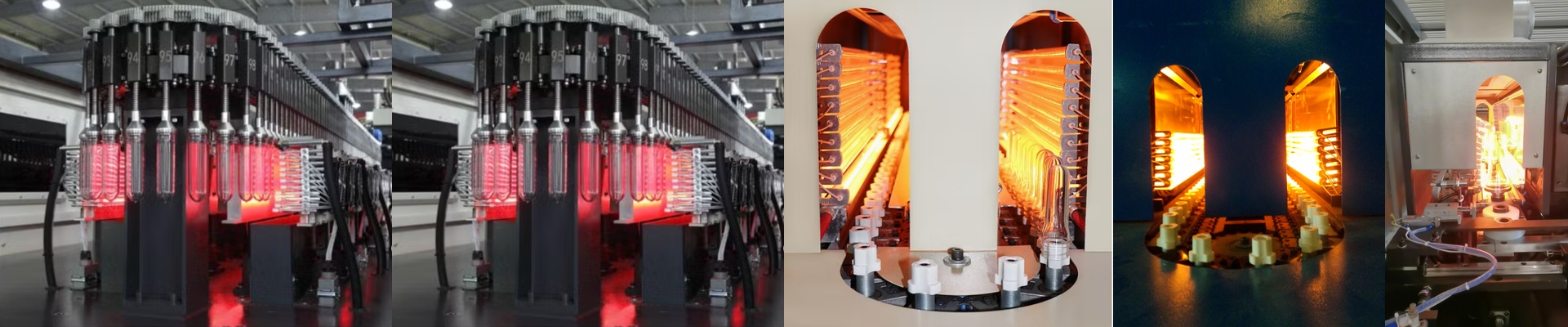
When the oven can’t hold steady, your pizzas and breads take the hit. You get hot spots that scorch the edges while the middle lags behind. You’re stuck chasing settings, rotating trays, and still end up with uneven color and inconsistent chew. In a busy kitchen, that waste shows up as remakes, slower turns, and a brand that feels anything but predictable. What matters under the hood We build our ceramic restaurant oven heating elements to deliver steady, even radiant heat that respects the baking chamber. The ceramic body spreads heat across the element surface, smoothing out temperature spikes and keeping the stone hearth or deck stable through long service. That matters because radiant heat drives crust formation: it sets the surface fast, locks in steam, and pushes caramelization without drying the interior. These elements are engineered for rapid recovery after door openings and consistent output over thousands of bake cycles. You can count on stable resistance and predictable performance—as long as the thermostat is clean and the oven insulation is in order. Why it plays well where you need it In deck ovens, rotary ovens, and convection units that lean on radiant heat, the element is effectively the first ingredient. With even heat, you get balanced leoparding on Neapolitan-style pies, uniform color on focaccia, and breads that crackle crisp without collapsing. The payoff is practical: fewer pan rotations, fewer under- and over-bakes, and faster turnaround during peak service. You also get shift-to-shift consistency, which matters when staff changes and your menu doesn’t. What to keep in mind Ceramic elements need clean mounting surfaces and proper clearance from nearby steel or stone—poor contact or tight spacing leads to localized overheating. Match voltage and connector type to your oven, and make sure the element’s wattage density lines up with your bake profile. Expect a warm-up period while the ceramic stabilizes, and plan routine inspections in high-heat, high-use environments.