High-Intensity NIR: The Spec That Actually Matters
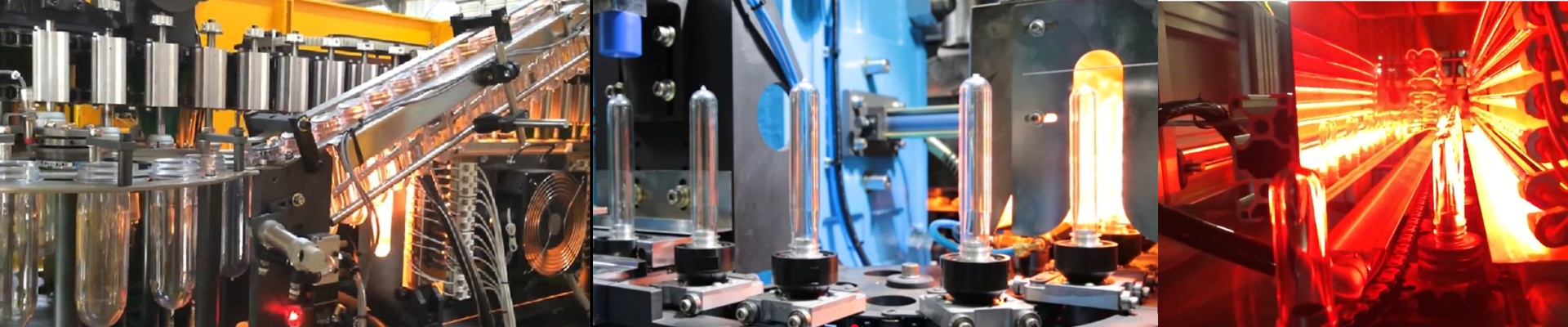
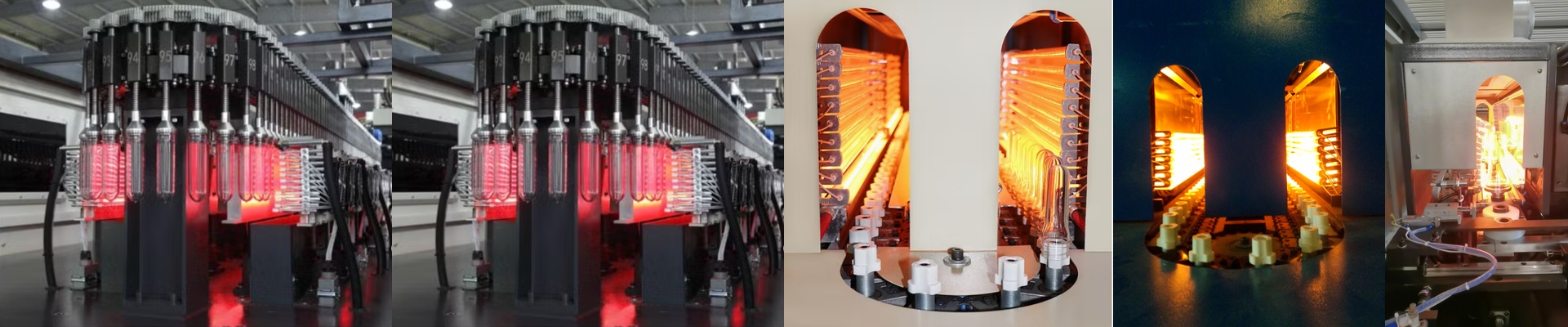
Let’s get real. If you’re running a Sidel Matrix blowmolder, you need a lamp that behaves like the original—without making you rewrite your entire setup. Our high-intensity NIR halogen lamp was built for exactly that. It matches the thermal behavior you expect from a Krones Contiform profile, because the specs aren’t random. We duplicate the wattage, voltage, and tube geometry, so the heat lands right where the machine wants it. It runs at 400V, which keeps current draw under control while packing serious power into a compact 300mm footprint. That voltage choice also means smaller conductors and fewer connection losses. Just know this: the control cabinet needs to be rated and grounded properly. We set the lamp to hit the target wattage within tight tolerances, so you get repeatable heating without re-tuning the whole zone.
Material and Design: Built to Take the Heat
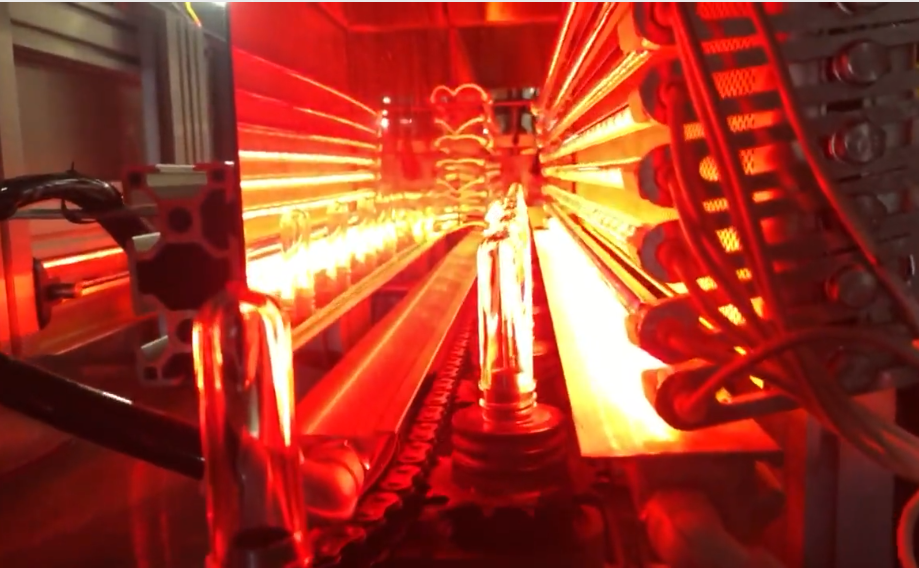
The lamp uses a quartz envelope with a halogen fill, built to handle high filament temperatures and keep output stable over time. The shortwave NIR output focuses on the PET preform surface—so you’re not wasting energy heating the air. The coating is engineered to shape the spectrum and smooth out hot spots, giving you even heating across the neck and body. And the R7s connector? It’s the practical choice. It gives you solid contact alignment and handles thermal expansion without loosening. That matters. Bad contact causes arcing and messy temperature swings.
On the Machine: A Drop-In That Feels Like Home
On a Sidel Matrix, the goal is simple: swap it in and get the same behavior as the OEM lamp. We match the thermal rise rate, so your existing PID settings and timing windows don’t need a rewrite. It starts fast, holds steady, and keeps bottle quality consistent—no recalibrating the machine. Now, the trade-off: high-intensity NIR puts out a lot of local heat. The reflector, airflow, and cooling need to be in good shape. If the cooling path is blocked, the lamp runs hotter and the filament life drops.
The Payoff for Engineers
You wire it up, it specs out, and it runs. No surprises on the thermal curve. No rework on the blowing recipe. Just stable, repeatable heating. And more uptime, with maintenance that stays predictable. That’s the kind of straightforward reliability you can plan around.