
Introduction
Let’s talk about heaters for the tough spots—the ones that live on a factory floor. We make oil-filled radiator heaters for industrial work, where you need serious, pinpoint heat in a small footprint. Inside, a quartz heating element sits in dielectric thermal oil. The result? Rock-solid output, even when the heater gets knocked around a bit. It just keeps going.
Technical Deep-Dive
We set these heaters up for industrial voltages—often 400V. Why? Because higher voltage means lower current for the same wattage. And lower current is a big win. It means you can use smaller wiring, you get less voltage drop, and the whole install on your machine is cleaner. We size the wattage to match the heat your process actually needs. For serious melt zones, that’s typically around 2500W to 3000W. The physical size—say, a 300mm tube length—is chosen to focus that heat exactly where you need it, without taking up extra space.
Material & Design
At the heart is a quartz tube. It heats up fast and can handle high temperatures without breaking a sweat. Inside, the filament is halogen-filled. That protects the element and keeps output steady over the heater’s life. The outer jacket has a reflective coating, which pushes heat downward. That cuts down on wasted heat and keeps nearby parts safe. And we use an R7s connector. It’s a secure, high-temperature joint that’s quick to wire up—and if something goes wrong, you can replace it right there on the spot.
Application & Benefits
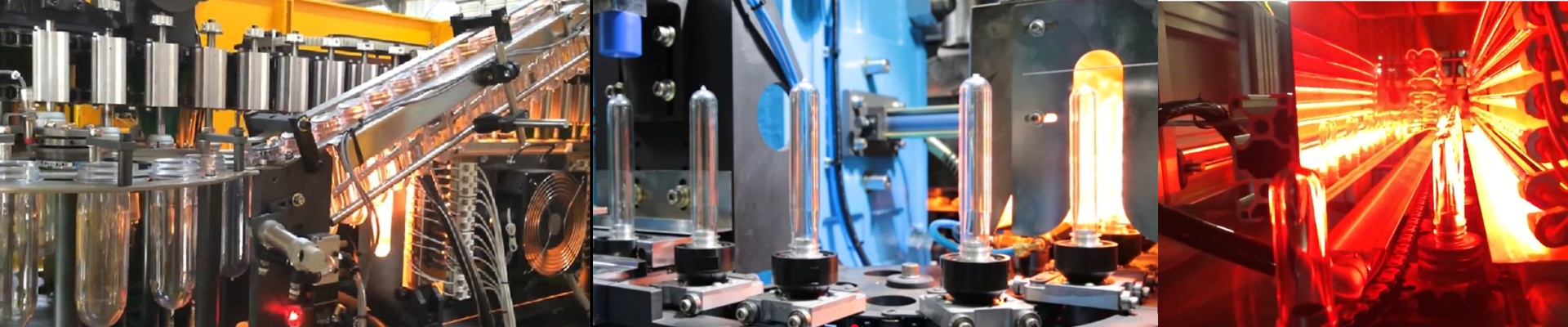
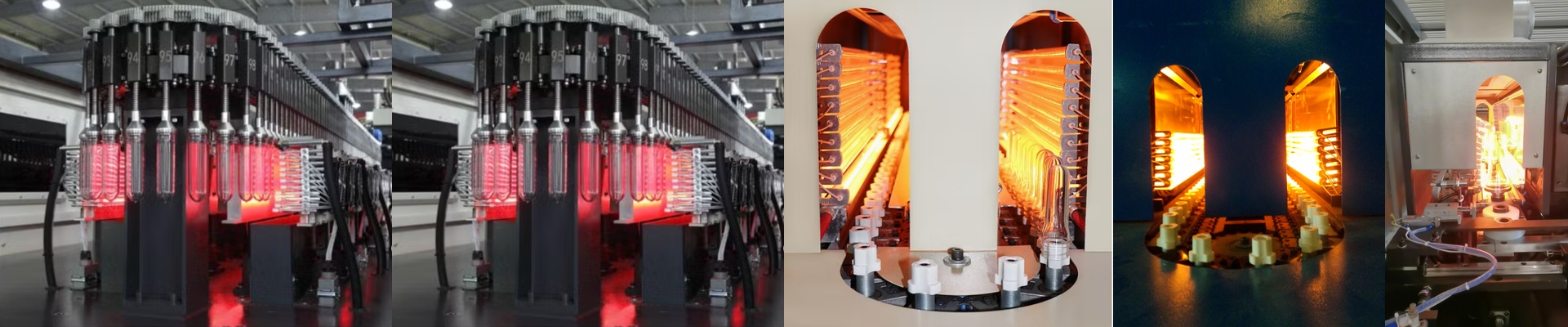
This setup is built for high heat density where space is tight. Think PET blowing, plastic molding, and packaging sealing. You get heat-up that’s fast—really fast. Plus, temperature control that stays steady. And if you’re already using quartz heaters, this is a straight drop-in replacement. Now, there is one thing to keep in mind. With that kind of concentrated wattage, you need proper cooling and enough clearance to keep the area around the heater from getting too hot.