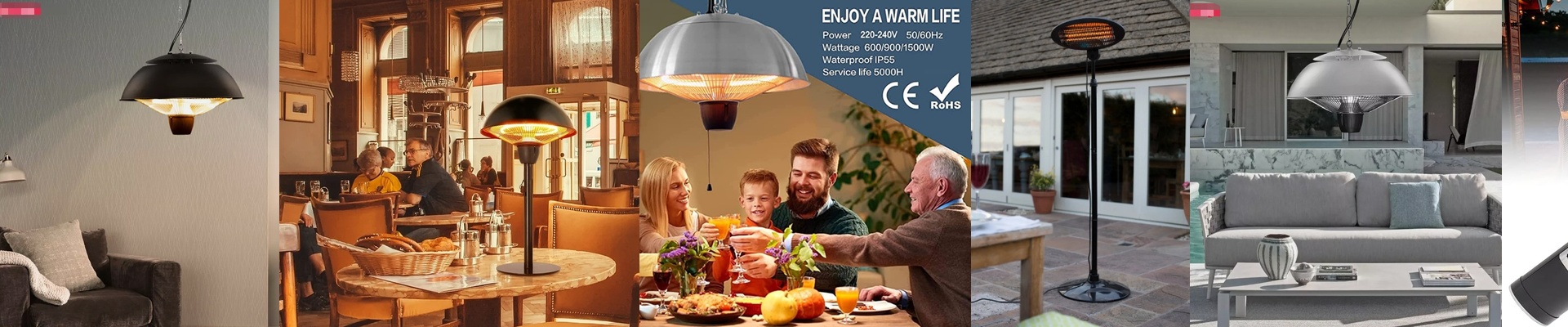
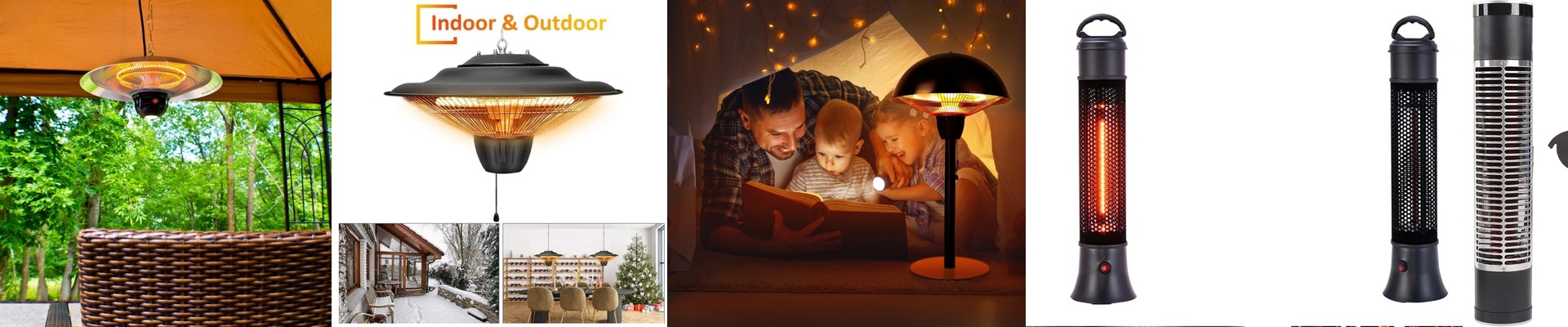
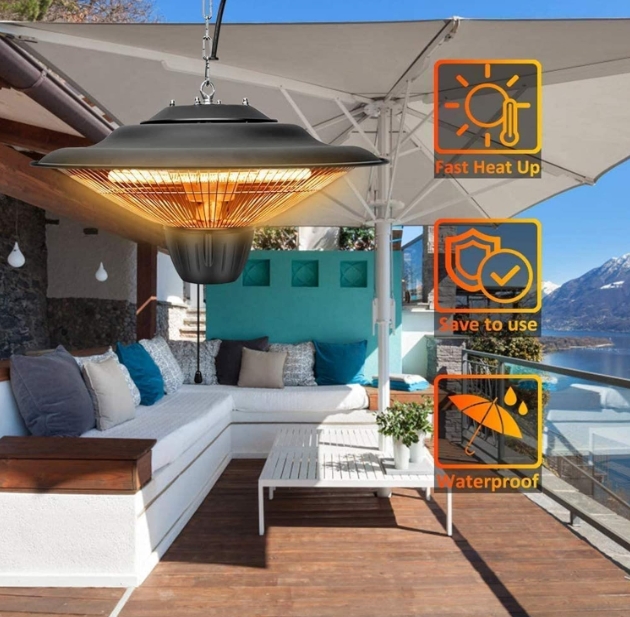
In a drafty garage, the cold does more than make you uncomfortable. It stiffens fingers, slows reactions, and turns routine work into a quality gamble. When the bay doors open and wind knifes through the space, a wall-mounted patio heater—built around infrared radiant heat—changes the feel fast. It warms people and the work area directly, not the empty air.
What actually matters, technically
Infrared heaters work the way the sun does: direct, line-of-sight radiation that travels outward and warms whatever it hits. For a garage, we pair that principle with a wall-mounted electric heater using either a quartz tube or a carbon fiber element. Both come up to temperature quickly and deliver even, focused infrared warmth. Typical units run on standard 120V or 240V circuits, pulling between 1500W and 5000W depending on what you need to cover. A built-in thermostat keeps the space at the comfort level you set, and tip-over protection adds a practical safety layer. If the shop gets damp or you’re hosing things down, look for an IP rating that matches the exposure—IP34 is a solid baseline for splash resistance.
Why this fits the garage workstation
The garage is a local heating problem. You need warmth where the technician stands, not everywhere in the building. A wall-mounted patio heater focuses infrared warmth on the bench and the body, so hands stay flexible and tools feel natural. That translates into faster cycle times, fewer mistakes from a numb grip and reduced dexterity, and less downtime waiting for the space to feel bearable. Because radiant heat doesn’t try to fight every draft, performance stays consistent even when bay doors open and close. Energy use stays sensible, too—heat is delivered on demand to the spot that needs it.
What you need to know on the install and layout side
Installation is straightforward. Mount the bracket to a structural wall or post, plug into a dedicated outlet, and set the thermostat. For the best coverage, position the heater 6–8 feet high and aim it toward the work area, not straight down. Keep combustibles at the required clearance, and don’t place the unit where it can get bumped by moving equipment. In very cold conditions, you can pair the infrared heater with a small, low-wattage background fan heater to keep air movement comfortable without losing the focused warmth at the workbench.