


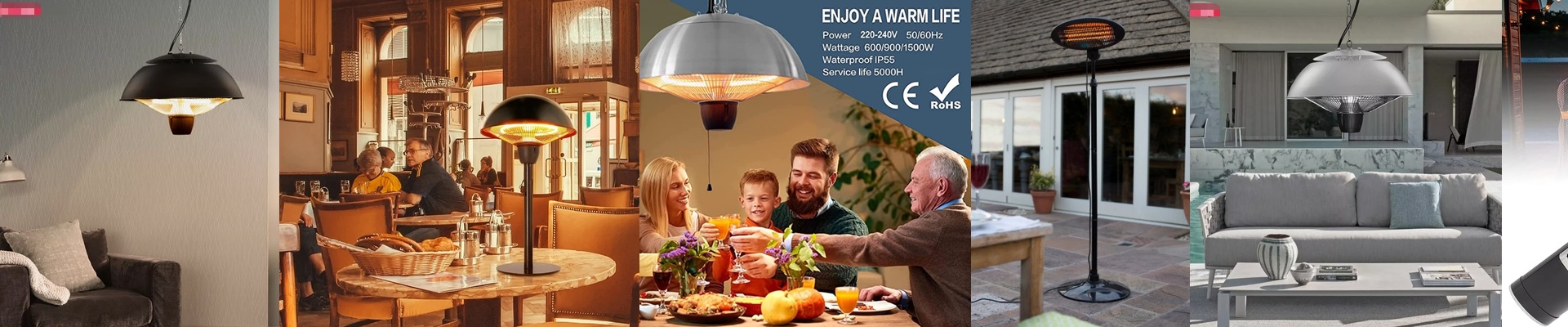

Why we put our IP66 heaters through “the humidity torture test”
Let’s be honest: bathrooms are a nightmare for electronics. You’ve got thick steam, people splashing water everywhere, and temperatures that jump from freezing to boiling in seconds. If you’re selling or installing an IP66-rated infrared heater, a basic waterproof seal just isn’t enough. That’s why we don’t just “check” our heaters—we try to break them. We put every batch through damp-heat aging tests to find the breaking point long before the unit ever leaves our warehouse.
The sneaky side of moisture
Here is the thing about an IP66 rating: it means the heater can handle a powerful jet of water hitting it. But water doesn’t always just “crash” in. Sometimes, it sneaks in. Water vapor is tiny. Over time, it can migrate right through seals that look perfectly fine. Once that moisture gets inside, it settles on the quartz tube and the electrical terminals. Then you get short circuits, tracking, or a heating element that just gives up the ghost way too early. To stop that, we blast our heaters with 85% humidity and high heat for hundreds of hours. We aren’t looking for a quick “pass” on day one. We want to see if those seals start to degrade after a few weeks of abuse.
Pushing the parts to the limit
It’s a weird environment inside the heater. The infrared lamp gets scorching hot, but the outer casing stays relatively cool. This temperature difference basically acts like a vacuum, sucking moisture toward the internal wiring. If the gaskets shrink or the potting compound cracks under that heat, the seal is gone. We keep a close eye on the insulation resistance during these tests. If that number drops, we know we have a leak. We’d much rather find a faulty gasket in our own lab than have you deal with a tripped breaker and an angry client in a commercial bathroom.
Finding the sweet spot
You might think, “Why not just seal everything airtight?” Well, that actually creates a new problem. If you seal it too tight, you trap condensation inside, which is just as deadly as a leak from the outside. It’s a balancing act. We pair the IP66 seal with smart venting and specific desiccant placement. This keeps the internal air from turning into liquid. The result? A heater that can take a beating from steam and splashes, but still lasts for years.