

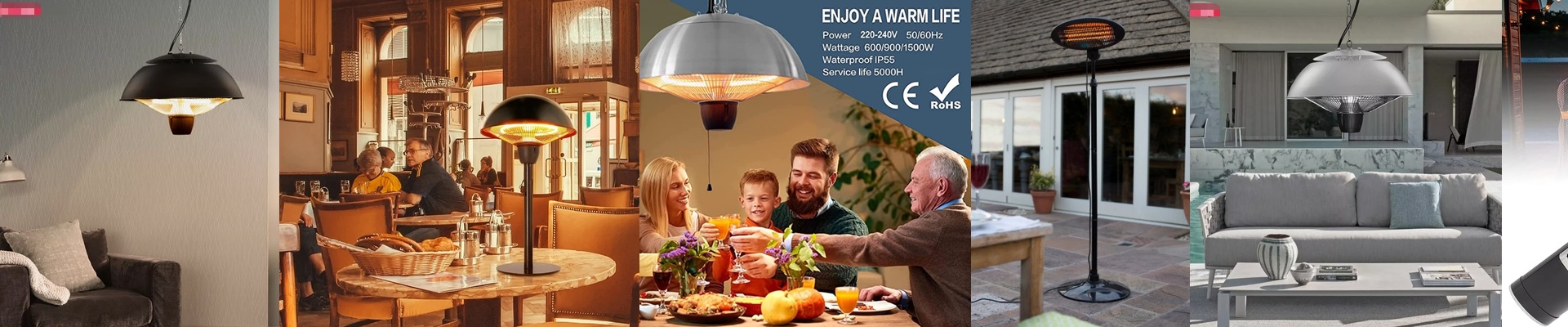


Stop Letting Your Patio Go Cold (and Losing Money Because of It)
Most restaurant patios basically turn into ghost towns the second the temperature drops. It’s a waste of space, and honestly, it’s just leaving money on the table. We built our IP44 waterproof infrared heaters to fix that. The goal is simple: keep your guests warm enough that they actually want to sit outside, regardless of the season. Why infrared actually works Here is the thing about most heaters: they try to warm up the air. But if you’re outdoors, the wind just carries that warmth away in seconds. You’re basically paying to heat the neighborhood. Our units do things differently. They use radiant heat, which travels in a straight line to warm up people and objects directly. It doesn’t care about the breeze. The moment a customer sits down, they feel that warmth hitting them. It’s instant. Built for the elements Outdoor gear gets beat up. Rain, snow, humidity—it’s a lot. That’s why we went with an IP44 rating. In plain English? It means the housing keeps out gunk and handles splashes from any direction without shorting out. We also used powder-coated aluminum frames, so you don’t have to worry about the frames rusting or corroding when the weather gets nasty. More warmth, more orders It’s basic human nature. If a guest is shivering, they want to leave. If they’re cozy, they linger. When your patio feels like a living room, people stay for that extra round of drinks or a dessert they weren’t planning on ordering. You get to use every square inch of your space, even during those awkward “shoulder seasons” when the weather can’t make up its mind. A quick heads-up on installation You can put these on the ceiling or mount them to the wall. But a word of advice: these things pull a lot of power. Don’t just plug them into any old outlet. Make sure your wiring and circuit breakers can actually handle the load. There is nothing worse than having your power trip right in the middle of a Friday night dinner rush. To keep things smooth and avoid voltage drops, we usually suggest a dedicated circuit for every four units.