


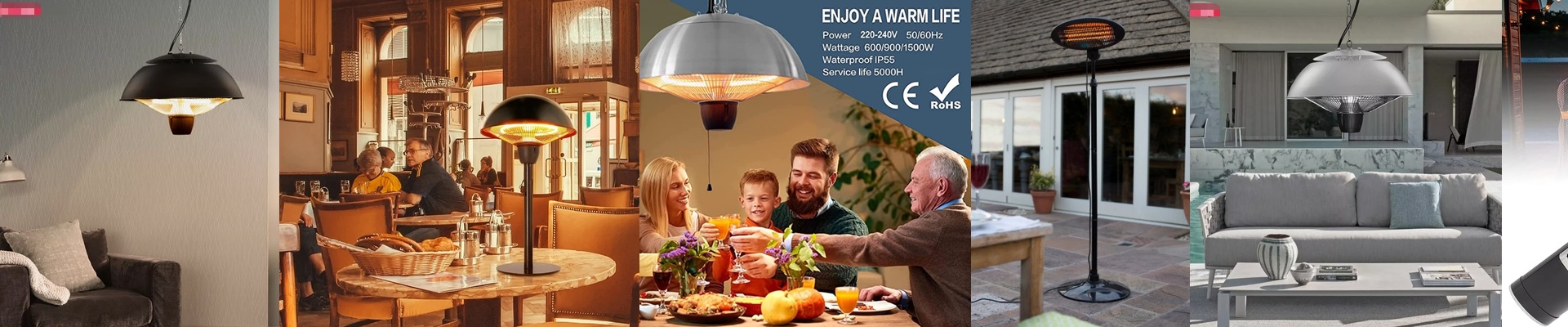

Stop Losing Money to the Cold: A Better Way to Heat Your Patio
Here is the problem with outdoor dining in the winter: most heaters are basically just pushing warm air toward the ceiling. By the time that heat actually reaches your guests, it’s gone. Your customers are shivering, and your tables are empty. We do things differently with shortwave infrared radiators. Instead of trying to warm up the air—which is a losing battle when you have high ceilings or a breeze—these units beam heat directly onto your guests and their furniture. It’s a lot like standing in the sun on a crisp October day. You feel the warmth instantly, even if the air around you is chilly. Why this actually works If you’re running a restaurant in an old factory space or an open-air patio, you know that heat just vanishes. Standard heaters create a “plume” of warmth that floats away before it ever hits the table. Shortwave systems don’t care about that. The heat moves at the speed of light. Wind doesn’t blow it away, and high ceilings don’t swallow it up. The result? You can keep your outdoor seats open on days when every other place on the block has shuttered their patio. Keeping the tables moving If you want people to stay, they need to feel cozy the second they sit down. That’s why we focus on high wattage density. We want a “warm zone” that’s ready and waiting. Think about it: a guest who feels warm immediately is going to relax, stay for another drink, and maybe order dessert. A guest who is shivering is looking for the exit. One thing to keep in mind: these units pack a punch. Because they’re powerful, they pull a decent amount of electricity. You’ll want to double-check your breakers and make sure your power grid can handle the load. The last thing you need is a tripped breaker right in the middle of the Saturday dinner rush. Turning dead space into profit At the end of the day, this is about turning “dead space” into money. When you can keep your guests feeling a steady, comfortable warmth, you’ve basically just expanded your dining room for the winter. Sure, there’s an upfront cost for the hardware and maybe a little work to upgrade your electrical setup. But when you see how many more people you can seat during the off-season, the system usually pays for itself before the first frost melts.