
Power, Voltage, and Size—Why It Matters
We set these heaters at 2500W and 400V for a reason. Many industrial machines run on higher line voltages, and that’s a good thing. It drops the current draw, which means you can use smaller wiring and keep things tidy. And the 300mm length? It’s the sweet spot. Compact enough to fit into tight heating zones, yet long enough to lay down steady, even radiant heat across the whole target area. That power density gives you a fast heat-up—nice when you’re on a tight cycle. But here’s the reality check: the surrounding components need to be able to handle the extra warmth. Plan for it, and you’re golden.
Built to Stay Clean and Stay Alive
Inside, you’ve got a halogen capsule that runs hotter than standard infrared elements. That heat keeps the quartz envelope clean and keeps output stable over time—no annoying dips when you’re in the middle of a run. Then there’s the outer coating. It’s there to manage surface temperature and shield the tube from dust and process residues. So the heater doesn’t burn out early, even when the environment gets gritty. And the R7s base? It’s a straight-pin connector that makes the lamp a straight swap in many existing fixtures. No adapters. No rewiring. No redesigned sockets. Just pop it in and get back to work.
Where It Shines—and What to Keep in Mind
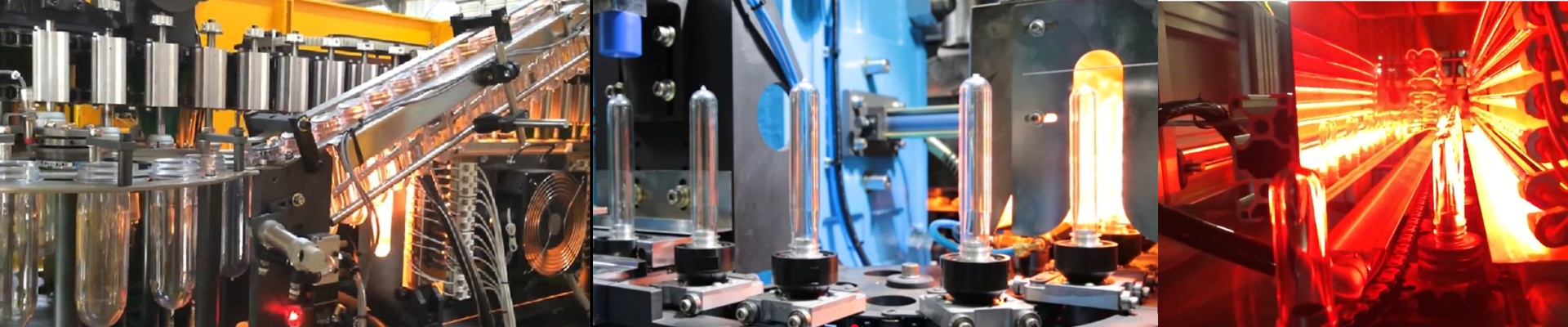
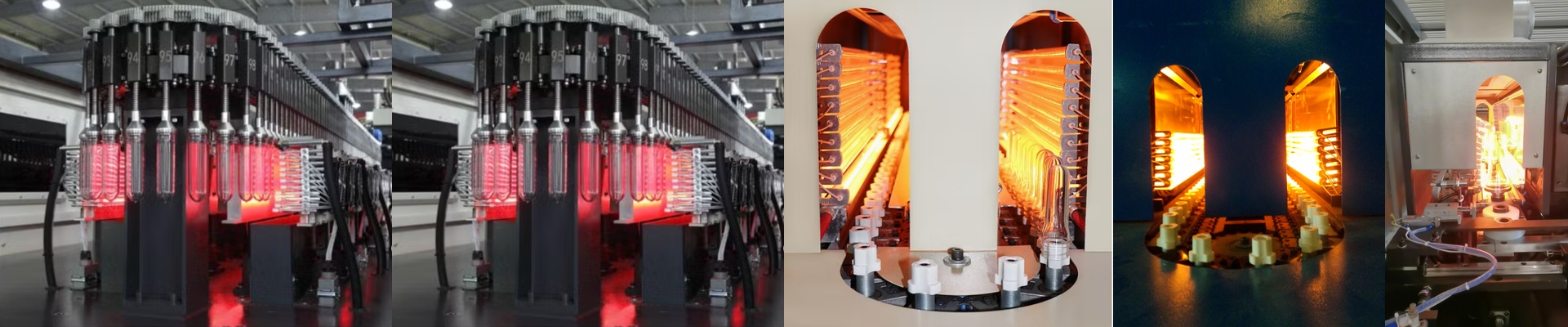
This setup is ideal when you need concentrated radiant heat in a small footprint—think plastic forming, sealing, drying. You get focused heat where you need it, when you need it. Safety isn’t an afterthought, either. The overheat protection kicks in before temperatures climb past safe limits, so the lamp, the fixture, and the surrounding gear stay protected. The trade-off is real, though: 2500W demands proper cooling and ventilation. Set up your airflow the right way, and this lamp will take the heat—steady and reliable—without failing mid-cycle.