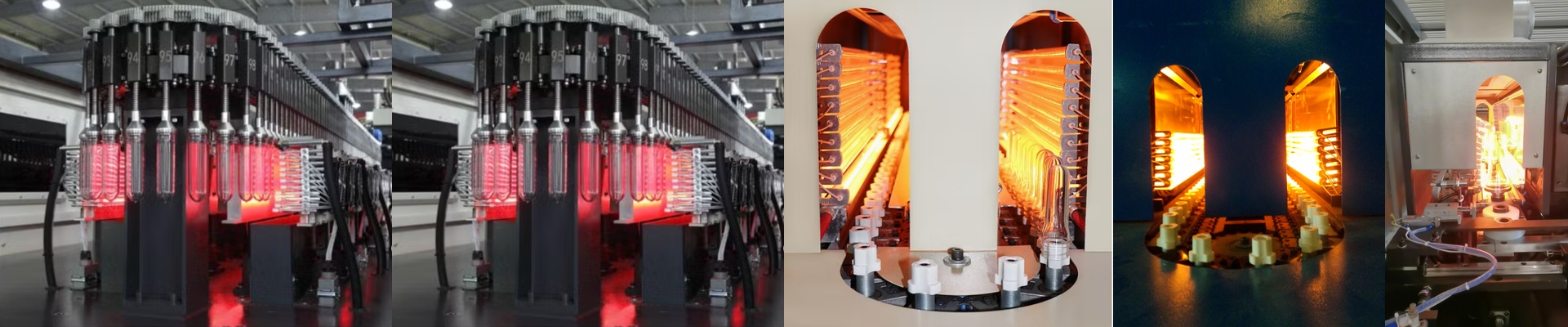
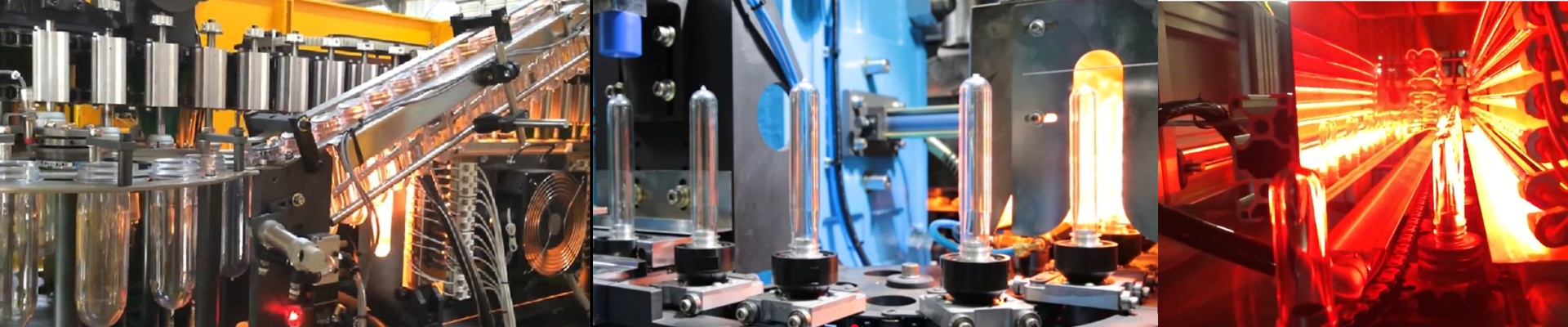
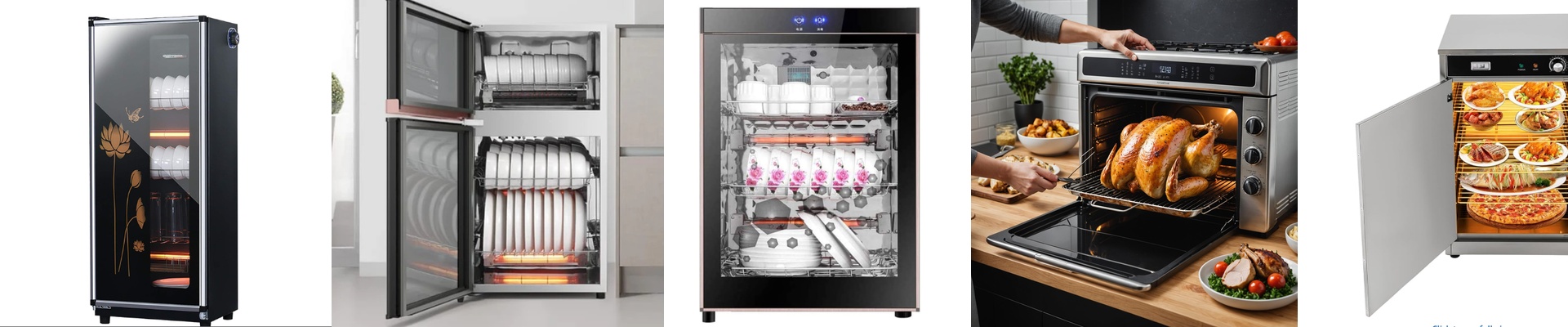
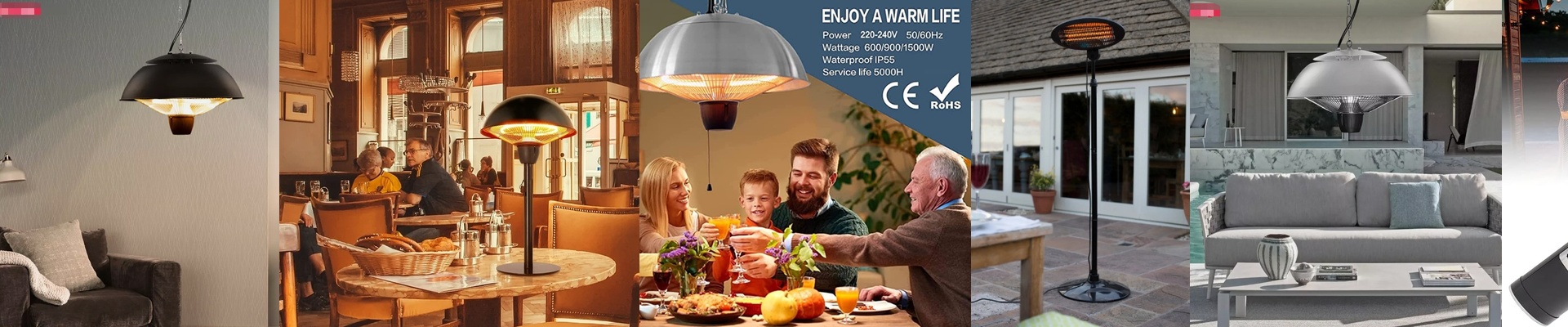
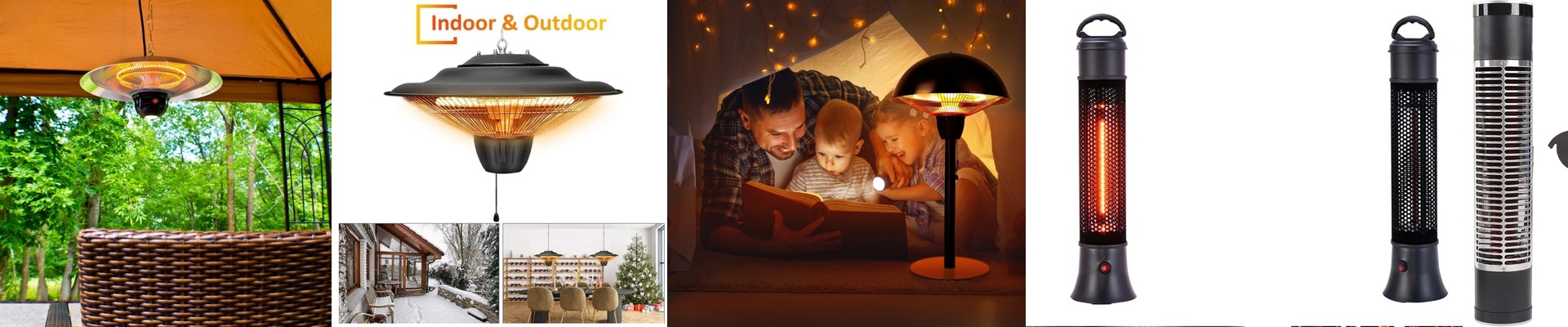
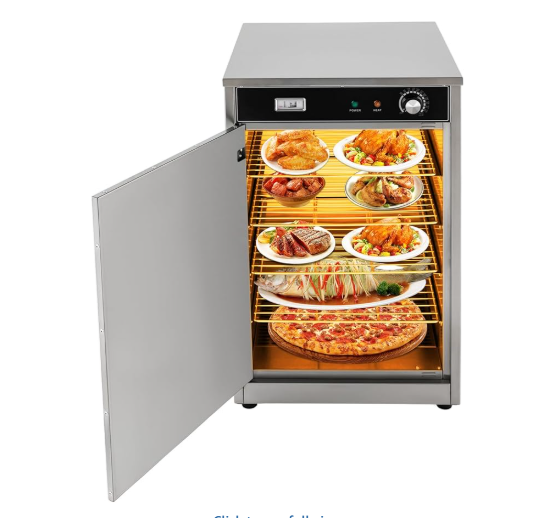
When the rush hits and your deck oven can’t keep up, you feel it right away—crusting lags, timing slips, and consistency goes out the window. Underpowered heating elements drag bake times, push toppings, and make you chase the same result across pizza, bread, and held hot foods. We built our disinfection cabinet black ceramic IR emitter to cut that drag and keep the baking chamber recovering, cycle after cycle. What matters under the hood The emitter uses a black ceramic IR body to deliver broad-spectrum infrared energy, heating surfaces directly instead of wasting time warming air. It snaps to full output fast, so the stone hearth or baking steel gets back to work within seconds. The ceramic body is dense and stable, so output stays steady even after repeated thermal shocks from door openings and rapid temperature swings. In practice, that translates to tighter control of caramelization and crust blistering, because the radiant profile doesn’t drift. Why it earns its keep on the line In pizza service, the emitter restores floor heat quickly, so Neapolitan and thin-crust pies finish on schedule without loading up the toppings. In bakery deck ovens, it holds the stone at setpoint between loads, protecting oven spring and hole structure. For food warming and holding, it delivers gentle, even radiant heat that prevents drying and hot spots, so soups, proteins, and prep trays stay safe and presentable. You also save energy because you spend less time idling and more time actually baking. The shop-floor details Mounting geometry has to match your oven’s reflector layout and clearances—radiant heat is direct, so spacing makes the difference for even coverage. Verify voltage and terminal compatibility, and keep the emitter and reflector clean; baking dust and grease film will throw off the pattern. Plan replacements during scheduled downtime. Ceramic emitters are tough, but they age, and keeping spares on hand prevents service interruptions.