

Making Your Outdoor Heat Actually Smart
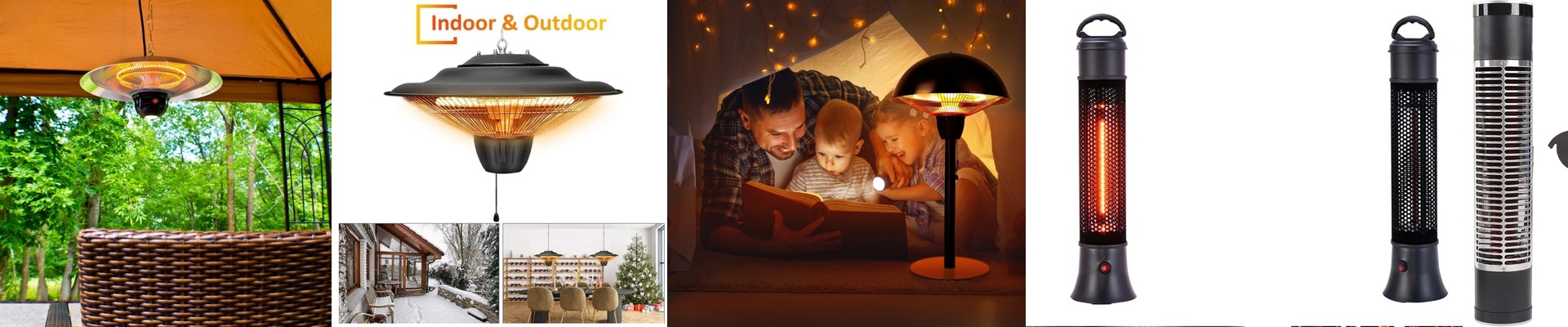
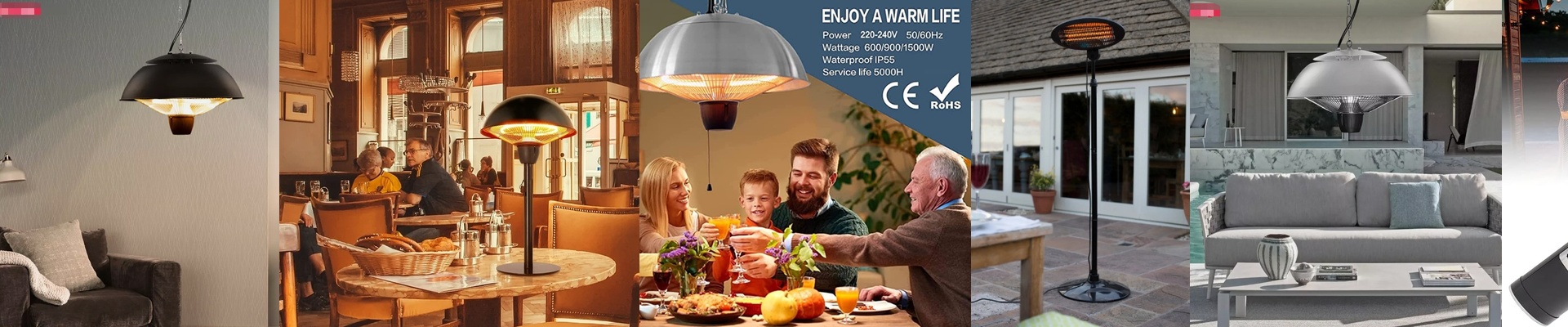
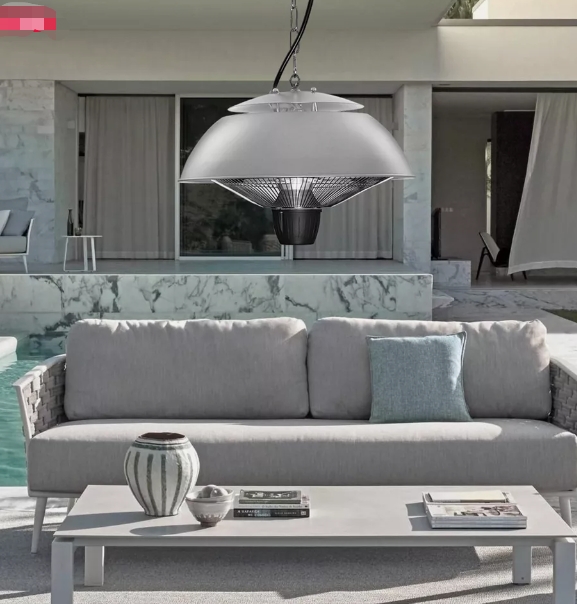
Nobody likes a heater that quits the second a bit of rain hits it. That’s why we build our infrared heaters with an IP65 rating. In plain English? They’re dust-tight and can handle a good spray of water without shorting out. They’re perfect for those spots where moisture usually ruins everything, like a steamy bathroom or a backyard patio.
How we get it on your phone
If you’re still turning a manual dial on a wall, you’re doing it the hard way. We ditch the knobs and put a Wi-Fi or Zigbee relay right between the power and the heating element. When you tap a button on your app, the controller closes the circuit. Simple. The best part is the infrared tech. It doesn’t waste time trying to warm up the air around you. Instead, it sends heat straight to your skin or the walls. You feel itinstantly. No waiting around for the room to “warm up” while you’re shivering.
The nitty-gritty (and where people mess up)
Here is the thing: you can’t just plug these into any old smart plug. You need a relay that can actually handle the power. If you’ve got a 2000W unit on a 220V line, your switch needs to handle at least 9-10 amps. If you go too small, you’re just asking for a burnout. Not a great look. We use tempered glass and special polymers for the seal. They keep the water out but let the heat waves pass through without getting trapped. But there’s a catch. Because the waterproof seal is so tight, heat can get trapped inside the chassis. You’ve got to make sure your mounting bracket leaves room for the back to breathe. Block that airflow, and the thermal cutoff will trip to save the electronics.
The real-world result
Once you’ve wired it into your grid and paired it with your hub, you’re set. You can prep your patio while you’re still sitting on the couch, so by the time you step outside, it’s already cozy. It’s basically taking industrial-grade gear and making it play nice with your home.