How to pick the right infrared lamp for your bathroom
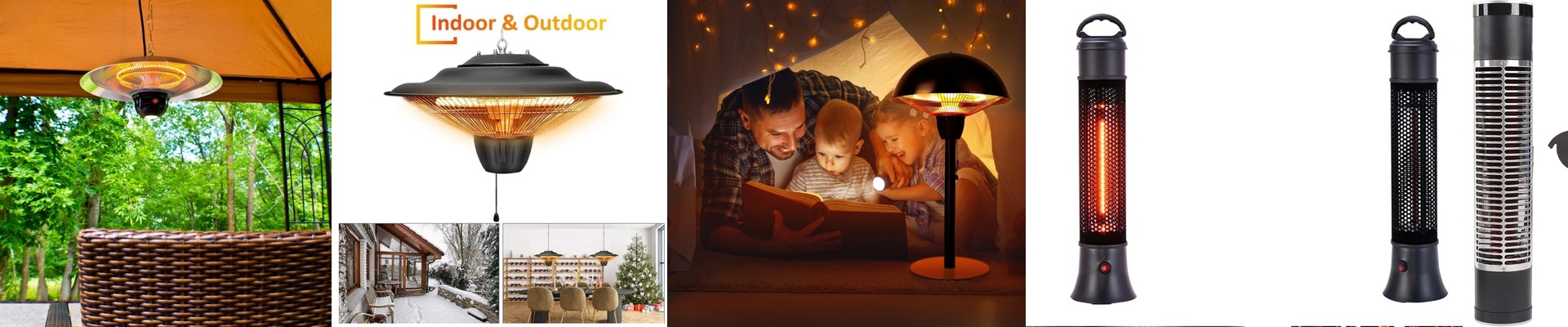
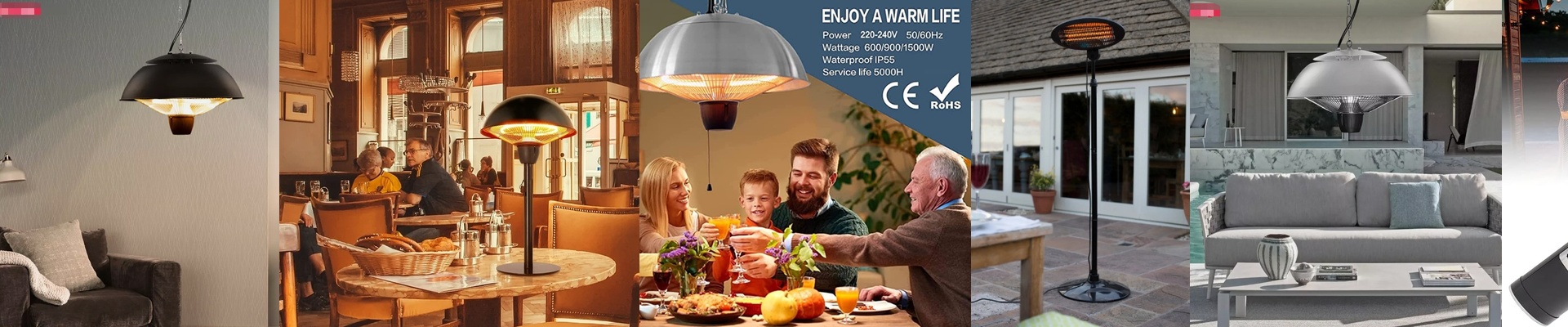
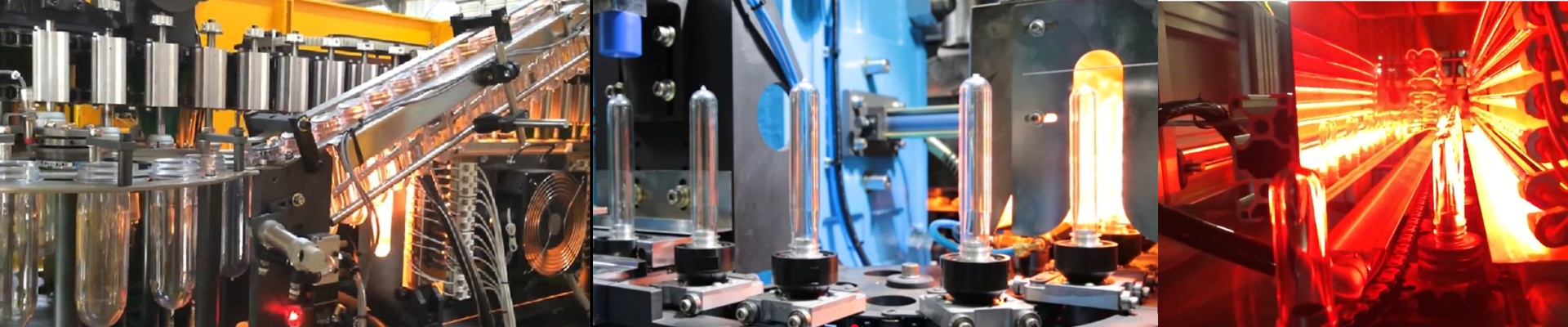
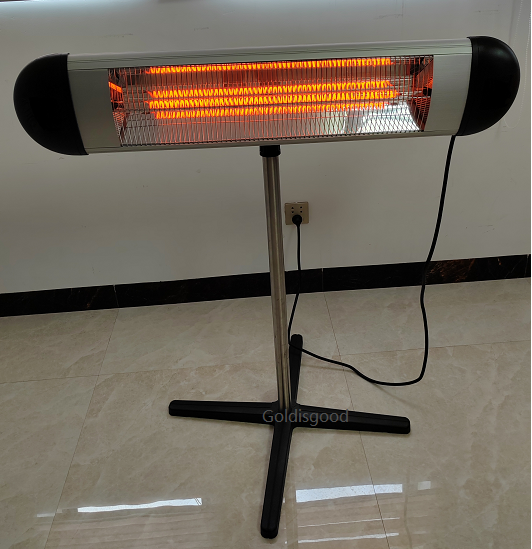
Most people think the goal is to just buy the most powerful lamp they can find. But that’s not really how it works. If you’re dealing with a bathroom—which is usually full of cold tiles and damp air—you don’t want to try and heat the whole room. That’s a losing battle. Instead, you want shortwave infrared. It doesn’t bother with the air; it just warms you. It’s like stepping into a patch of sunlight on a cold day.
Getting the wattage right
You’ve got to look at your floor space and how high your ceilings are. If you’ve got a tiny powder room (anything under 4m²), a 400W to 600W lamp is plenty. It creates a nice, cozy bubble of heat. If you go any higher, you’ll probably end up roasting while the corners of the room stay freezing. For the bigger bathrooms—think 8m² to 12m²—don’t just buy one massive lamp. That just creates one “hot spot” that feels intense in one spot and leaves the rest of the room chilly. It also puts a lot of stress on your electrical circuit. Your best bet? Split it up. Two 800W or 1000W units spread out will make the whole space feel balanced and comfortable.
The “wet zone” stuff
Since we’re talking about bathrooms, waterproofing is a big deal. You can’t skip the IP rating. The housing needs to be sealed tight so moisture doesn’t mess with the electrics. We use quartz glass because it can handle the jump from cold to hot without cracking. One thing to keep in mind: higher wattage means more power draw. If you’re living in an older place with thin, tired wiring, be careful. A 1000W lamp heats up fast—which is great—but it might trip your breaker if the wiring can’t take it. In those cases, just stick to lower wattage lamps or spread the load across different phases.
Saving a bit of cash on power
Here is a pro tip: put these on a timer or a motion sensor. Infrared lamps hit their top temperature almost instantly. There’s zero reason to leave them humming along when nobody is in the room. When you match the wattage to your actual room size, you avoid that annoying cycle of “too hot, turn it off, now I’m freezing, turn it back on.” That constant switching is where you waste the most energy. Just get the spec right for your space and you’re set.