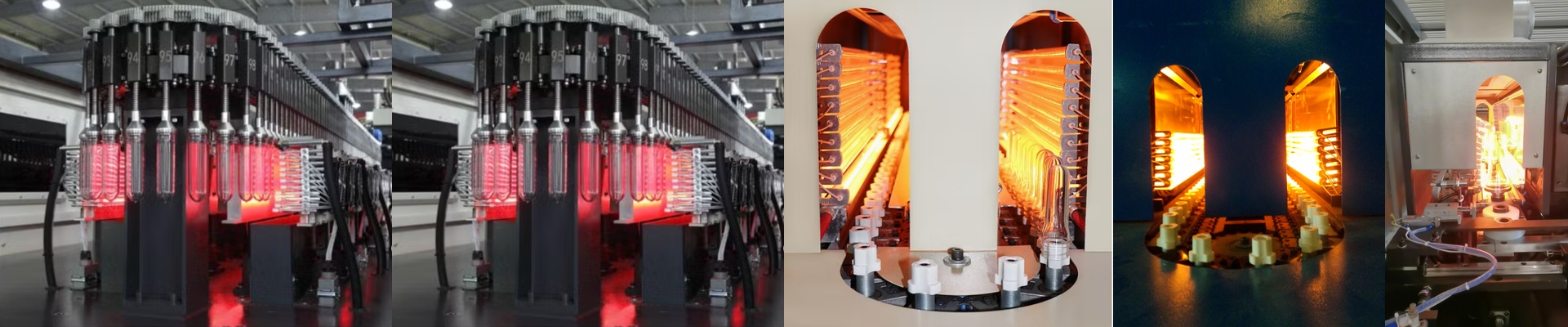
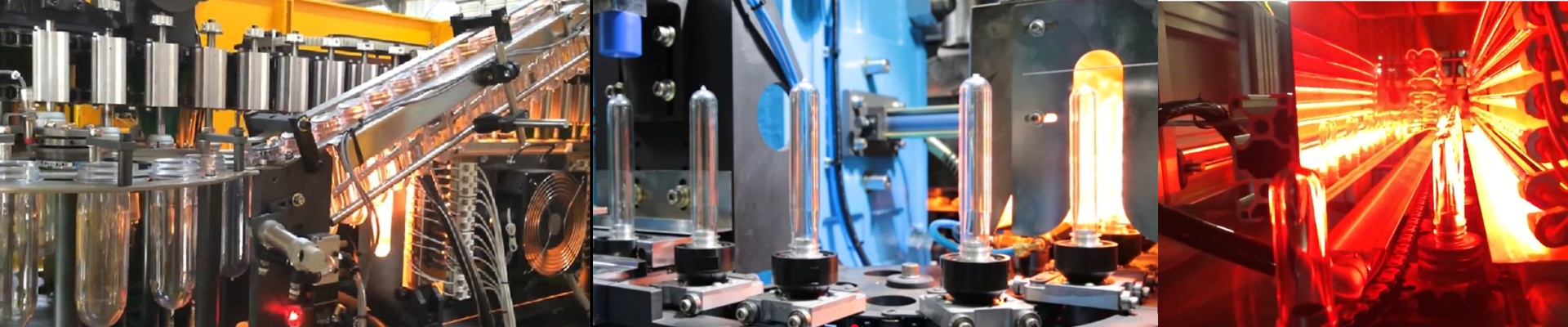
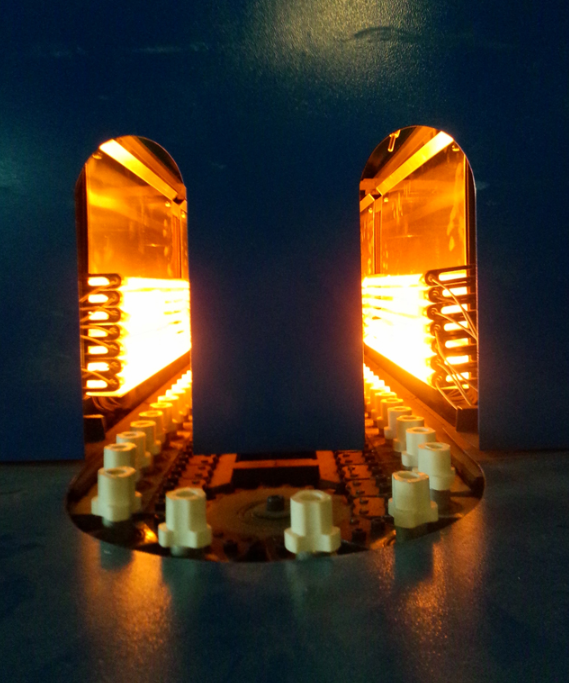
Let’s talk about the SIPA SFR 12 rotary blower heater bulb.
If you’re running a PET blow molding line, you know the feeling. You’re staring at your old infrared heating element, wondering if a simple swap could actually move the needle. Can a new bulb really boost your output? Well, it all comes down to how this thing was built.
Under the hood
The SFR 12 is a powerhouse, designed to run on 400V to crank out the kind of heat that gets PET preforms ready fast. And here’s the best part—it’s a straight drop-in. It’s built to fit the exact footprint of your existing SIPA rotary blower. So you get the upgrade without the headache of re-engineering your machine. But, and this is important, that power comes with a trade-off. You’re generating serious heat, which means your electrical setup and cooling systems need to be up to the task.
The guts of it
This bulb uses shortwave infrared tech, packed inside a tough quartz tube. What does that mean for you? It heats up almost instantly and cools down just as fast. That gives you precise temperature control and cuts down on idle time. The R7s connector is a standard in the industry, so you know it’s a solid, high-current connection that can handle the constant vibration and heat cycling of a busy line. And the tube itself? It’s coated to be durable, so it won’t crack under the pressure of repeated on-off cycles.
What it feels like on the line
Upgrading your machine doesn’t have to be a huge, complicated mess. Swapping in the SFR 12 isn’t just about adding more heat. It’s about getting a system that’s more responsive and easier to control. You end up with a heating profile that’s faster and more consistent, which lets you push your machine to run at higher speeds. The installation is straightforward, so you’re not stuck with the machine down for ages. For engineers, it’s a practical way to squeeze more life—and more output—out of the equipment you already have, without the massive cost of buying something new. Just keep one thing in mind: that extra heat density is a beast, and it puts more stress on the parts around it. Make sure your blower can handle the extra heat. This is the kind of upgrade that makes sense if you’re just trying to get more from what you’ve already got.