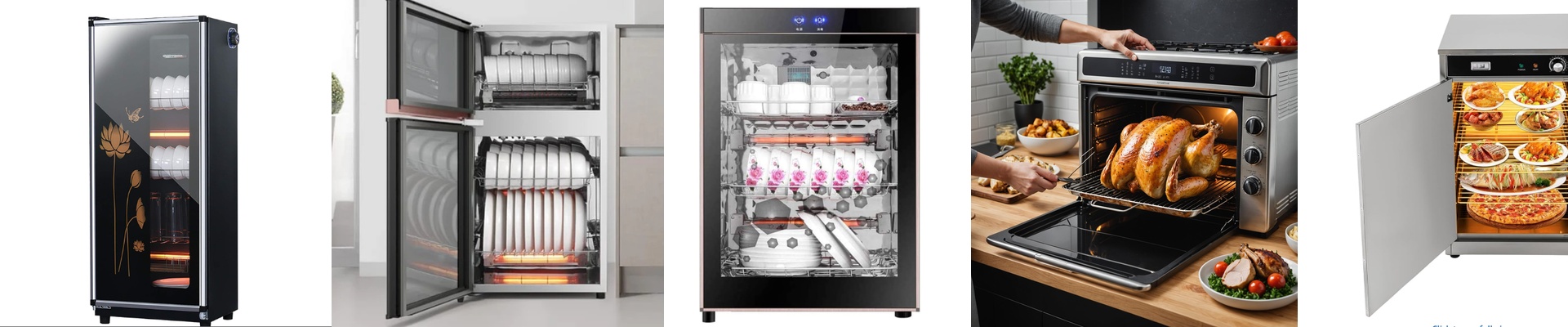
When your deck oven is slammed and the line is building, the last headache you need is a warming zone that can’t keep up—one that dries unevenly or leaves toppings soggy. In a busy bakery or pizzeria, the warming display IR heater sits right between the bake chamber and the pass. It holds finished pies and bread at holding temperature while knocking down moisture fast. When the heating underperforms, service slows, waste climbs, and you bleed margin.
What actually matters, technically
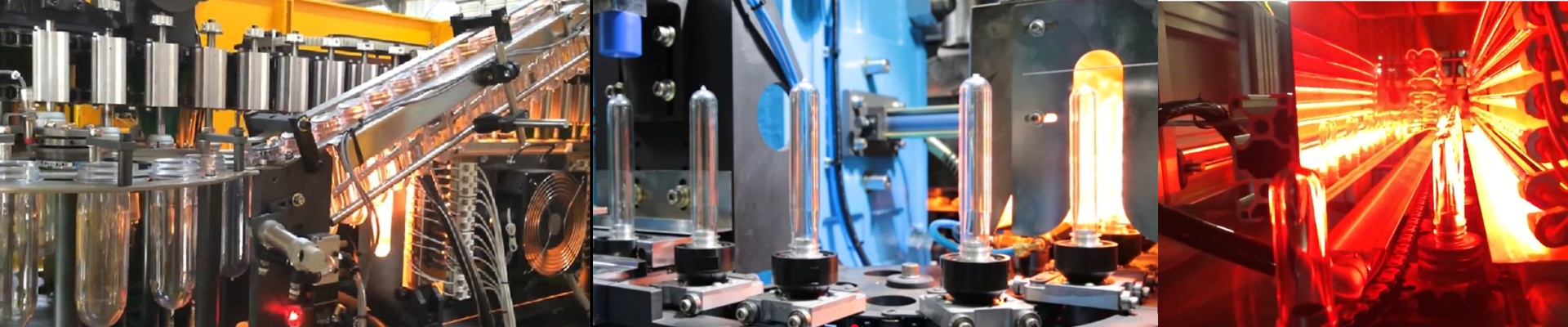
Infrared warming gives you instant response because the quartz or halogen element radiates heat straight onto the product surface, not the air around it. No warm-up lag, and you get tighter temperature control where it counts—at the product level. The radiation spreads evenly across the warming shelf, so every slice or loaf gets the same intensity. You’re looking at heat-up to operating temperature in seconds, holding within a narrow band, and even drying that prevents condensation without overcooking. In practice, that means more predictable crust retention and better texture, with less guesswork when you’re plating at the pass.
Why this works where you need it
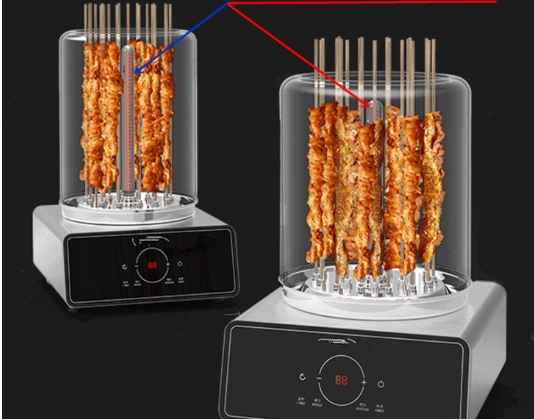
Mount the IR warming display above the deck or at the exit of a rotary oven, and you turn a bottleneck into a buffer. Pies hold their crisp, bread keeps its crumb, and toppings dry clean without turning leathery. Because the heat goes right where it needs to—on the product—you push through rushes faster and cut down on rejected orders. You also save energy. IR heats the surface, not the whole room, so you’re not paying to warm empty air. The same direct radiation is handy for proofing or final drying before bake, speeding surface drying and caramelization for more consistent color and snap.
The details that keep it honest
IR warming is line-of-sight. If you stack pans too high or crowd the shelf, you get shadows and uneven results. Keep the product layer open and evenly spaced. Before install, verify voltage and clearance, and make sure your oven’s shelf height and frame can accept the radiant module without interfering with airflow or safety clearances. Clean the element and reflector regularly—grease and flour film cut output fast. And plan a dedicated control zone so the warming display doesn’t pull heat from the bake chamber when you need both running at once.