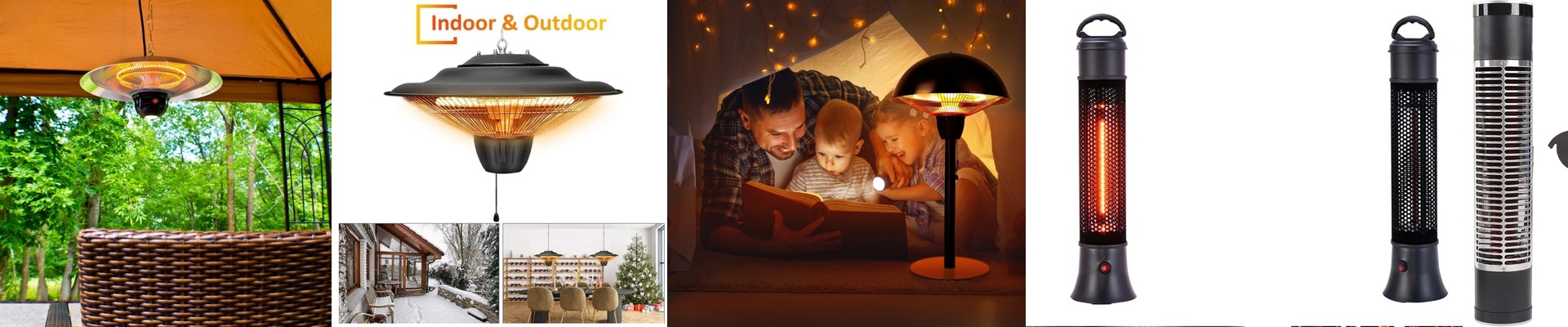
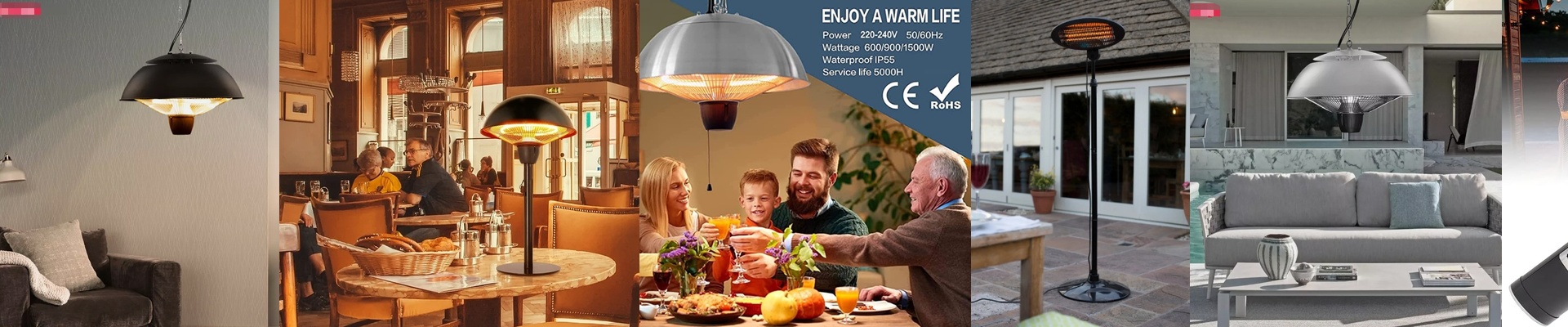

Out here in a remote home, winter comfort can’t be left to hope. Kerosene stoves throw off heat, sure, but they also leave that familiar sting in your eyes and that gritty film on every surface. Crack a window for ventilation and you lose the warmth you just fought for. The better move is a tower heater that leans on infrared warmth—heating people and objects directly, not just the air.
What matters under the skin
We built this tower around a carbon fiber infrared element. It comes up fast and holds output steady. You get 1,500 W of radiant heat, spread in a tall, column-shaped pattern so the warmth reaches across the room, not just into one hot spot. The profile is tall and slim, so it tucks into corners and slides along walls without crowding furniture. A built-in thermostat keeps temperature consistent, and tip-over protection shuts the unit down if it gets knocked over.
Why this fits remote living
In a tight, off-grid space, indoor air quality is the quiet thing you can’t ignore. Kerosene combustion brings particulates and lingering odors, especially when the room doesn’t have much air to dilute them. Switching to an electric infrared tower heater strips out the burner, the fuel storage, and the open flame. You get warmth immediately, with no fumes—so the air stays clearer and more comfortable. Because infrared warms you directly, you can run the thermostat lower and still feel cozy. Over time, that means steadier energy use and fewer trips to refuel.
What to plan for
This tower heater needs a standard electrical outlet and a dedicated circuit. It performs best in well-insulated rooms, and it really shines when you place it where you actually spend time—near a reading chair or beside a work table. For full comfort, pair it with gentle background ventilation. Keep air moving without throwing away the heat.