
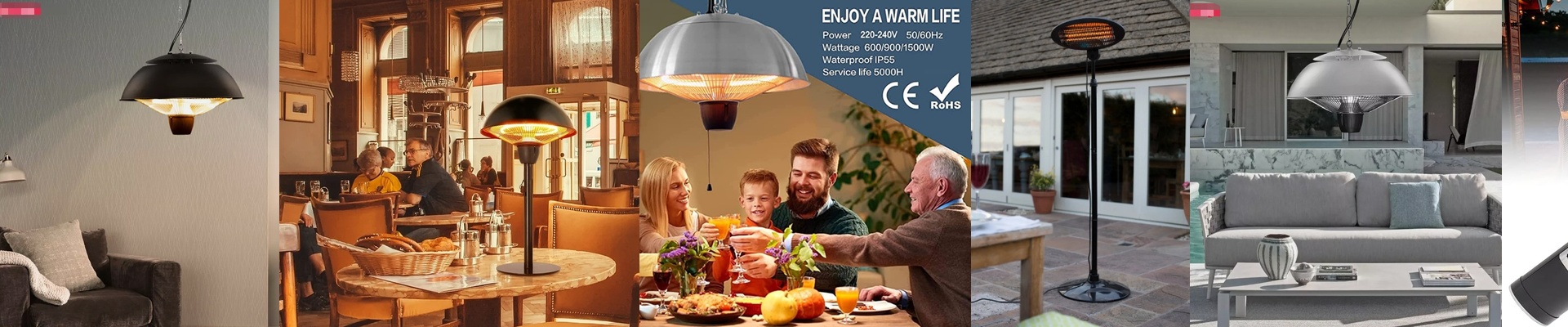
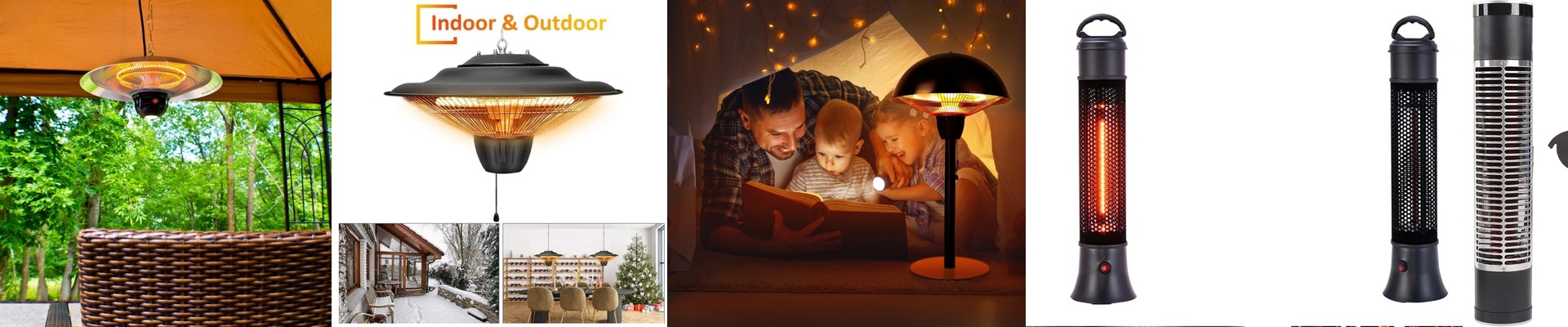
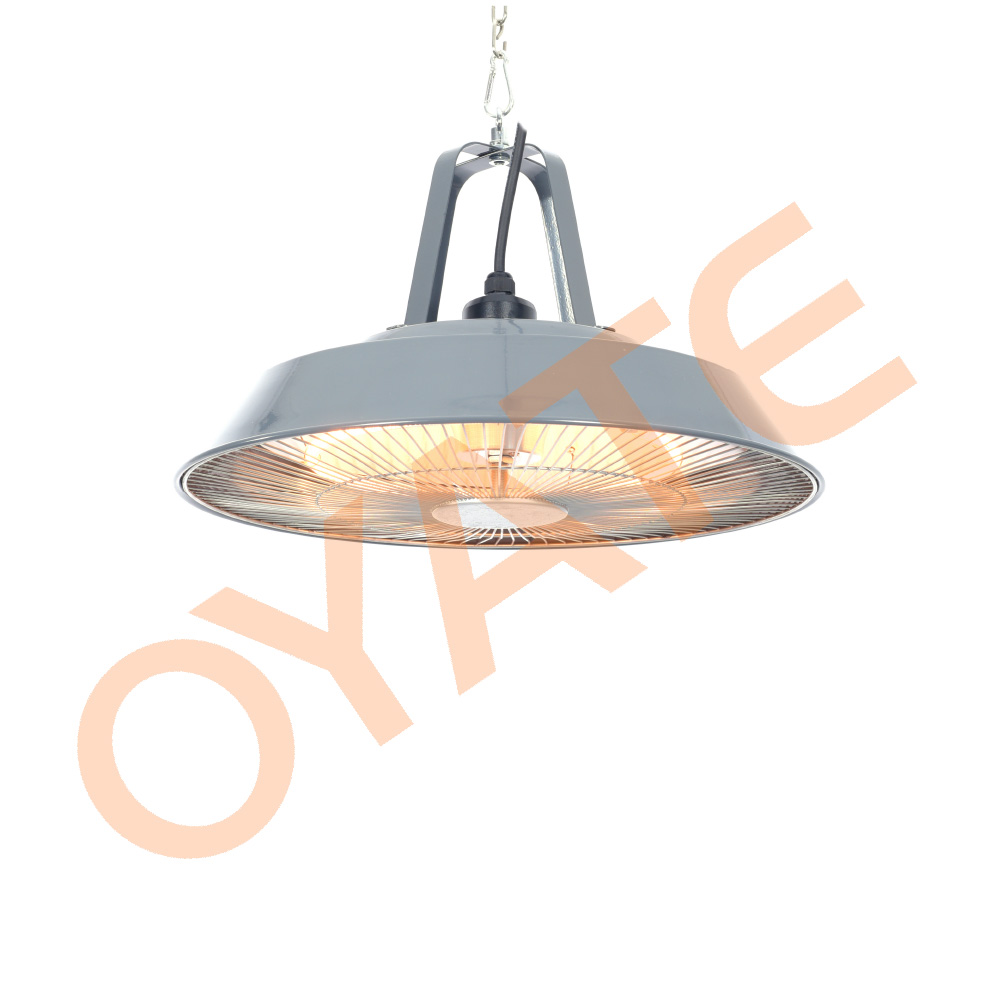
Ever wonder why so many ceiling heaters just… die? Usually, it’s because they’re fighting a losing battle against moisture and dust. When tiny water droplets or fog land on a scorching hot quartz tube, it creates a “thermal shock.” Think of it like pouring cold water on a hot pan. You get these tiny micro-cracks that you can’t even see, but eventually, the tube snaps or the filament just gives up. Keeping the water out We figured out how to stop that. We built in anti-fog and splash-proof designs that basically act as a shield. By sealing the electrical connections and using a sturdy housing, we keep the water away from the terminals. It’s not just about a rubber seal, though. It’s about how the unit handles the dew point. When you’re cleaning the area or the humidity spikes, you don’t want liquid bridging the gap between the live parts and the ground. That’s a recipe for a bad day. Building things to actually last The real secret is in the materials. We use a special coating on the reflectors that pushes condensation away. Why does that matter? Because if fog builds up on the reflector, your heat doesn’t reach the floor. The unit has to work twice as hard to keep the room warm, which wears it out faster. Plus, we used industrial-grade seals. Cheap units usually let moisture seep into the wiring, which is why they burn out so quickly. We just didn’t do that. The trade-offs Now, look—nothing is perfect. Adding all that protection means the unit is a bit bulkier. You lose that ultra-slim look. Also, because the housing is more enclosed, there’s less airflow around the casing. This means the outside of the unit can get pretty hot to the touch. Just make sure you mount them high enough so nobody accidentally bumps into them. One last tip: check your IP rating based on where the heater is going. If you’re putting these in a wash-down area, make sure your wiring conduits are just as tight as our seals. Otherwise, you might have a perfectly good heater but a short circuit in your junction box.