Getting Your KOSME and Sidel Blowers Back Up to Speed
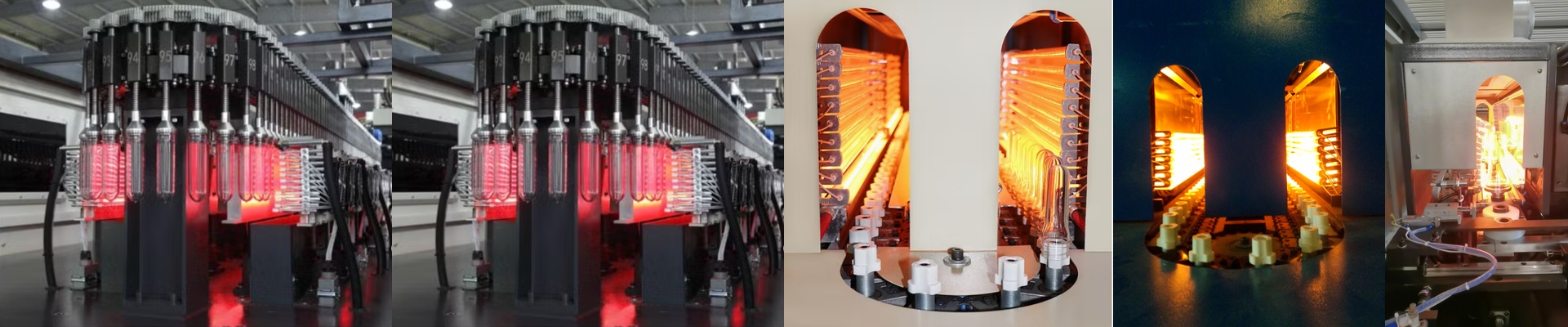
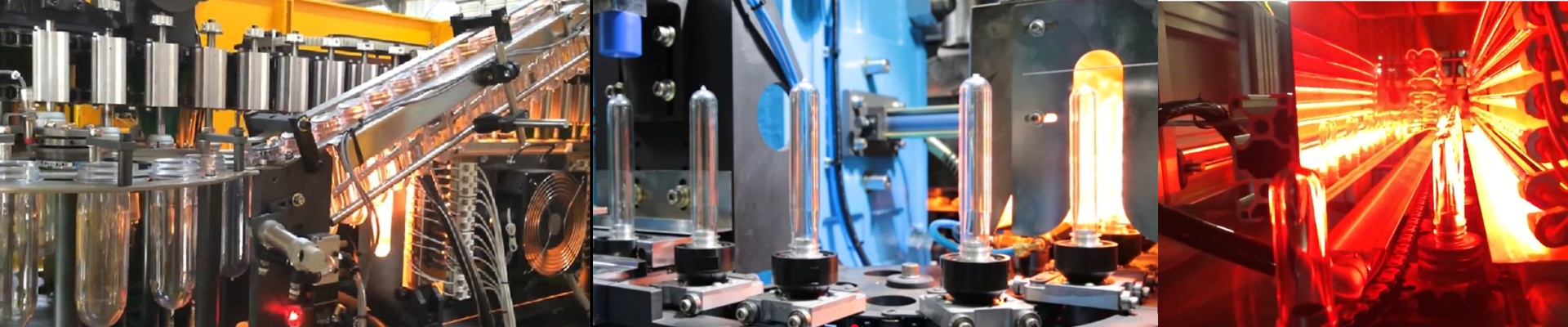
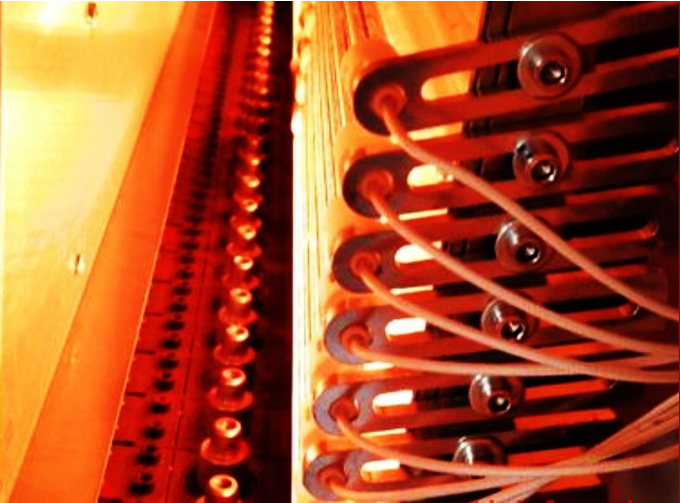
If you’ve ever dealt with PET blowing, you know that the heat profile is everything. If it’s off by even a hair, your preforms won’t be stable, and you’re left with a mess. We spent a lot of time figuring out how to make replacement lamps that actually fit. Whether you’re running an old-school KOSME blower or one of the newer Sidel Matrix machines, our lamps just slide right in. No hacking the oven housing, no messing with the wiring, and no headaches. The nitty-gritty on heat and power We build these to match your original equipment’s wattage and voltage exactly. We use high-wattage shortwave infrared lamps because you need that intense heat density to soften PET quickly. If your system runs on 400V, you don’t have to worry. Our tubes are built to handle those voltage spikes so you aren’t replacing burnt-out filaments every other week. But here is a pro tip: high power density is a bit of a double-edged sword. It kills your cycle times, which is great, but it puts a lot of stress on your reflectors.**Keep those reflectors clean.**If they get dirty, the lamp can overheat, and that’s where the trouble starts. Why the materials matter We use heavy-wall quartz glass. Why? Because thin glass bows when it gets hot, and that’s a recipe for disaster. We also use a halogen cycle to keep the tungsten filament alive longer. As for the fit, we stick to standard R7s or Sk15 connectors. You won’t have to rewire your panels or hunt for weird adapters. We’re talking about precision down to the millimeter here. If a lamp is too short, it arcs at the terminals. Too long? It cracks against the housing. We make sure they’re just right. Moving from SBO to Matrix When the industry moved from classic SBO machines to the Matrix series, the oven footprint changed, but the physics of heating didn’t. Our lamps keep the spectral output the same across both platforms. This keeps your heating zones balanced. When you swap out a dead tube, our lamp matches the heat of the ones around it. That’s the key. It stops those annoying “cold spots” in the preform that lead to uneven wall thickness in your finished bottles. Everything just stays consistent.