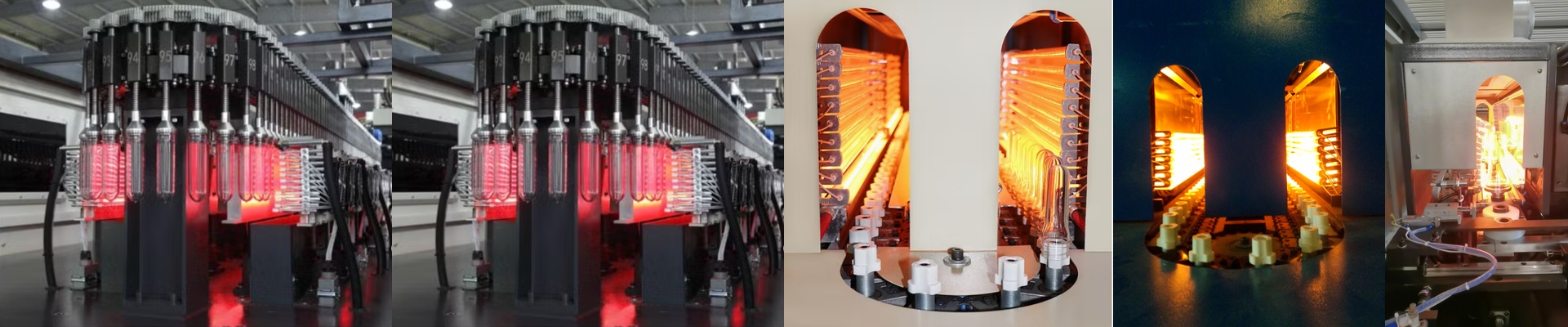
Stop Fighting with Your PET Bottles
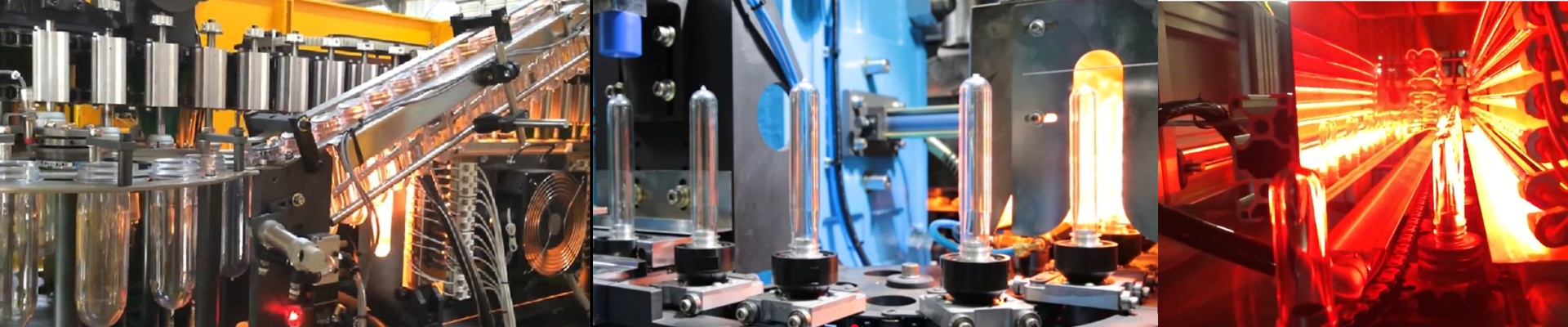
If you’ve ever pulled a batch of bottles off the line only to find the walls are uneven or the shapes are warped, you know the frustration. It usually comes down to one thing: your KHS or Sacmi oven isn’t heating evenly. We see this all the time. Either the OEM lamps are just old and tired, or someone tried to save a few bucks with cheap replacements that can’t actually hold a consistent heat field. When that happens, your preforms don’t get the precise thermal profile they need, and you end up with scrap.
Why some lamps just work better
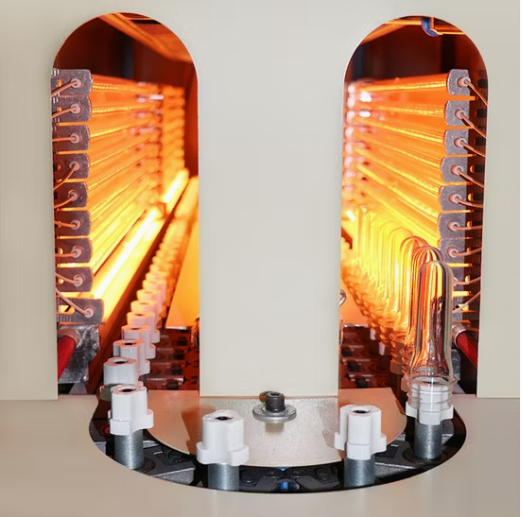
Here is the thing about high-end infrared lamps. It all comes down to how the filament is wound and how pure the quartz is. If the filament is bunched up or the quartz has impurities, you get “hot spots.” Those spots burn the PET. To fix those annoying cold spots, you need a lamp that spreads the wattage evenly across the entire tube. No gaps, no surprises. Also, we make sure these lamps match your oven’s power supply exactly. If the voltage and wattage are off, you aren’t just losing heat—you’re risking a fried controller. And nobody wants to deal with that on a Tuesday afternoon.
No fuss, just a swap
Nobody has time to rebuild a housing just to change a bulb. That’s why we use standard connectors like R7s or SK15. You just pop them in. It’s a direct drop-in replacement. The quartz glass is the heavy-duty stuff, built to handle the constant heating and cooling without cracking. Plus, we use a specific coating that shifts the infrared spectrum. Instead of just scorching the surface of the preform, the heat actually sinks into the wall where it belongs.
The trade-off you should know about
Now, it’s tempting to just crank up the wattage to speed up your cycle times. But there’s a catch. If your oven insulation is poor and you push the wattage too high, your cooling blowers have to work overtime. If the airflow isn’t dialed in, the ambient temperature inside the oven climbs too high. Eventually, that heat kills the lamps prematurely. Before you swap in higher-wattage tubes, take a quick look at your ventilation. Make sure the air is moving. It’ll save you a lot of headaches down the road.