Getting the Heat All the Way Through
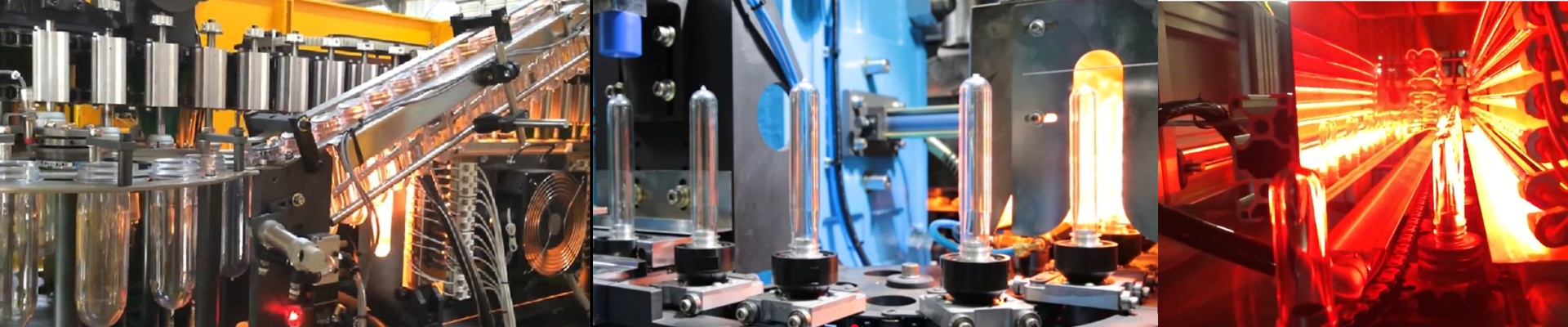
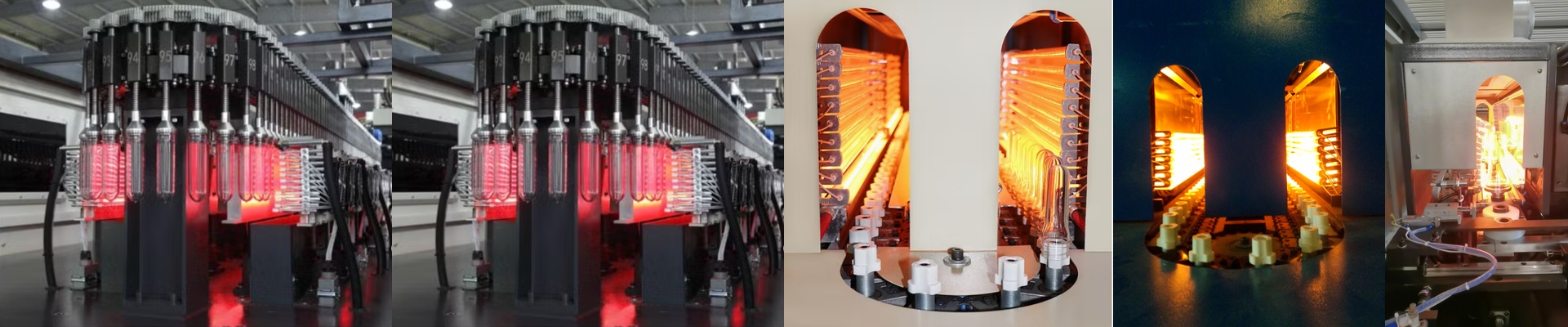
Ever had a loaf of bread that looks perfect on the outside, but when you cut into it, the middle is still doughy? It’s frustrating. Usually, it happens because standard ovens just push hot air around. By the time the center is cooked, the crust is burnt to a crisp. That’s why we use shortwave infrared (SWIR) elements. Instead of waiting for the air to do the work, these elements send heat straight through the surface and dive deep into the food. It basically makes the water molecules inside vibrate, heating things from the inside out. You get that crunch on the outside and a perfectly cooked center, without overdoing it. The power side of things To make this happen quickly, we pack a lot of wattage into a small space. It’s all about heat flux. The real benefit here is the recovery time. You know how the temperature drops the second you swing the oven door open? With these high-wattage tubes, the oven bounces back to its set point almost instantly. It’s built for the chaos of a busy kitchen. Keeping things running We wrap the tungsten filaments in quartz glass to keep them from oxidizing and losing power. You’ll usually see them hooked up with R7s or Sk15 connectors—nothing fancy, just a secure fit that doesn’t wiggle loose. But a word of warning: these things getintense. If your ventilation isn’t up to the task, you’re asking for trouble. Too much trapped heat can warp your oven frame or fry your control relays. Also, keep an eye on grease. A little splatter on the quartz can create a “hot spot” that pops the tube. Keep them clean, or you’ll be dealing with a burnout right in the middle of a dinner rush. The trade-off Shortwave IR is incredibly fast. Like, really fast. But that means you have a smaller margin for error. If your food is sitting too close to the element, you’ll scorch the top before you even realize it. To fix that, we suggest using a PID controller. It lets you dial in the power and modulate the heat, so you get the speed without the char.