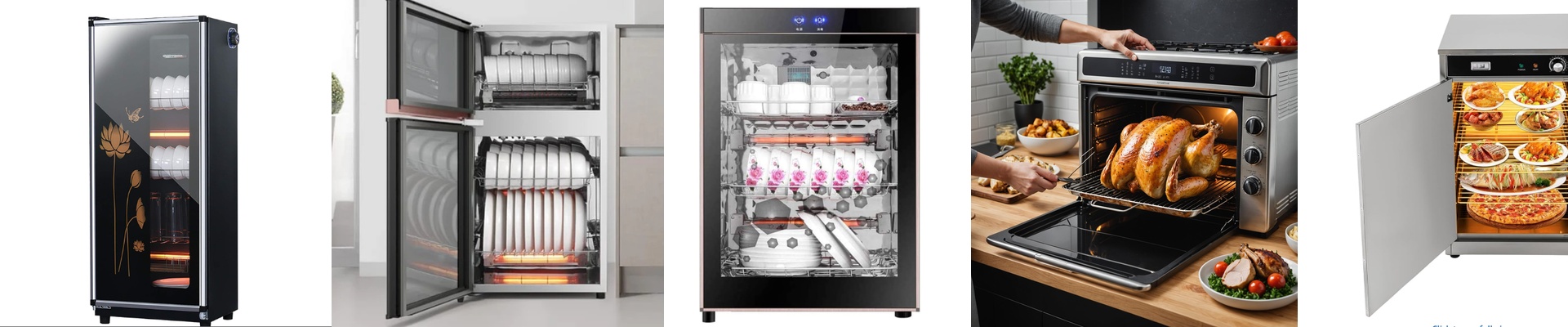
How to actually get that “Crispy Outside, Tender Inside” finish in a rotary oven
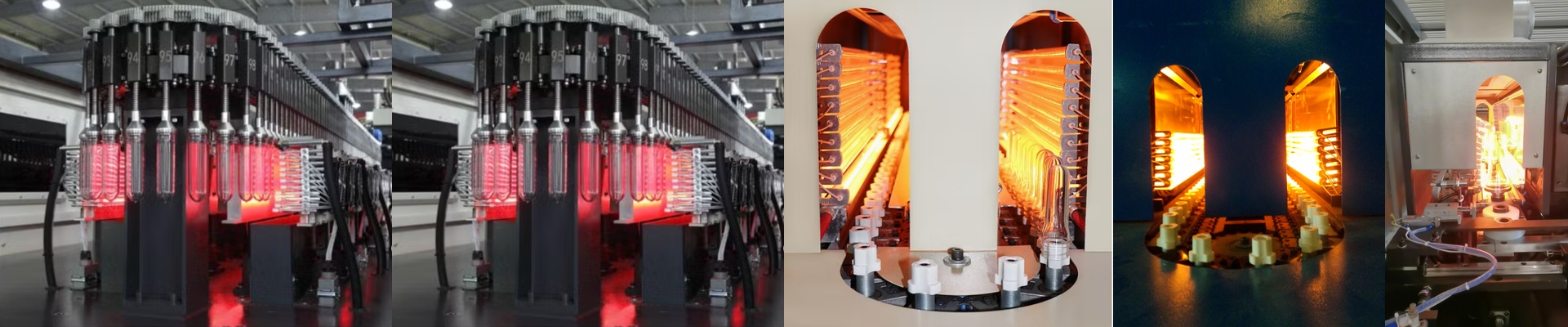
Ever wonder why some food comes out with that perfect, golden-brown crust while the inside stays juicy, and other times it just feels… dried out? It all comes down to how you handle the heat. In rotary ovens, we lean on shortwave infrared (IR) lamps to do the heavy lifting. Instead of just heating up the air and hoping for the best—like a standard convection oven does—IR energy hits the food directly.
The secret to the sear
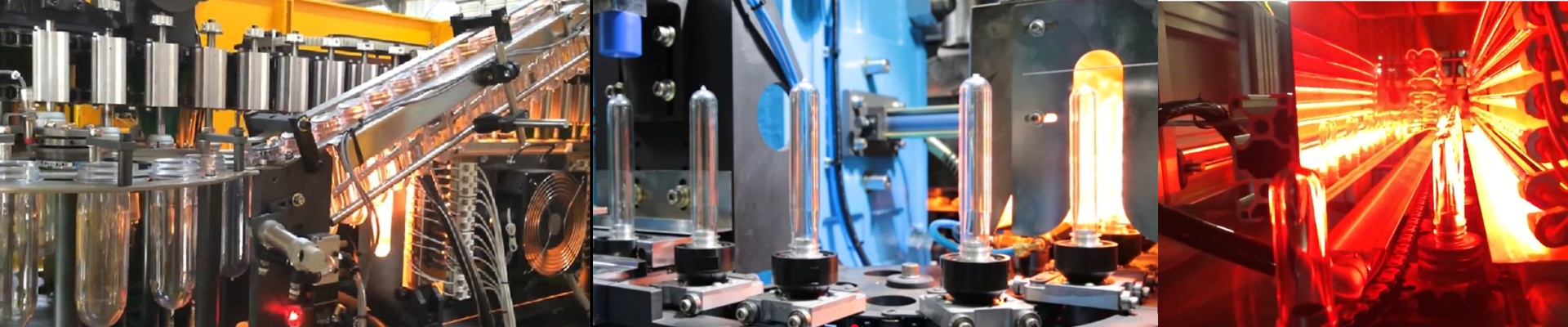
Here’s the thing about shortwave IR: it doesn’t just sit on the surface. It actually sinks a few millimeters deep. This creates a quick temperature spike. The moisture on the outside vanishes almost instantly, which kicks off the Maillard reaction (that’s the science-speak for the browning and flavor we love). Meanwhile, the heat slowly creeps toward the center. Because the oven is rotating, the food keeps moving. It never sits in one “death zone” for too long, so you get a beautiful sear without accidentally charring your product into charcoal.
Picking the right replacement lamp
If you’re shopping for a new lamp, don’t just grab the first one that looks right. You’ve got to match the wattage and voltage to your transformer exactly. If you get it wrong? You’re either looking at food that won’t brown or a filament that pops the moment you flip the switch. Most of these use quartz envelopes because they can handle the sudden, intense heat without cracking. Also, double-check your connectors. Whether it’s an R7s or a specific pin mount, it has to fit perfectly. If the lamp is sitting crooked in the housing, your heat distribution will be a mess, and you’ll end up with some spots that are overcooked and others that are barely warm.
The part everyone forgets: Maintenance
High-wattage IR lamps put out a ton of heat. It’s great for getting orders out the door faster, but it’s tough on your reflectors. If your reflectors get greasy or pitted, the energy doesn’t bounce toward the food. Instead, it bounces right back into the lamp housing. This cooks your electronics, which is a disaster you definitely want to avoid. Keep those reflectors polished. It’s a simple chore, but it’s the only way to make your lamps last and keep your energy bills from spiking.