Introduction
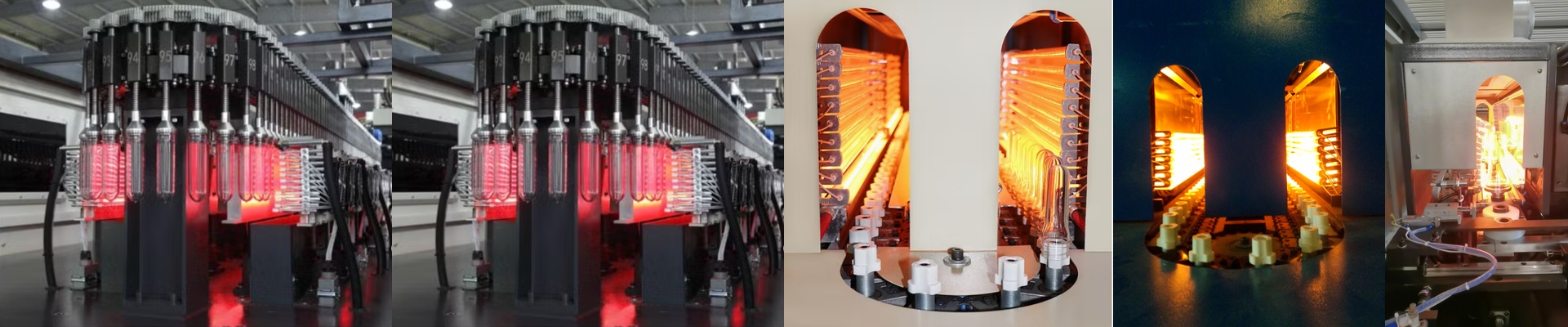
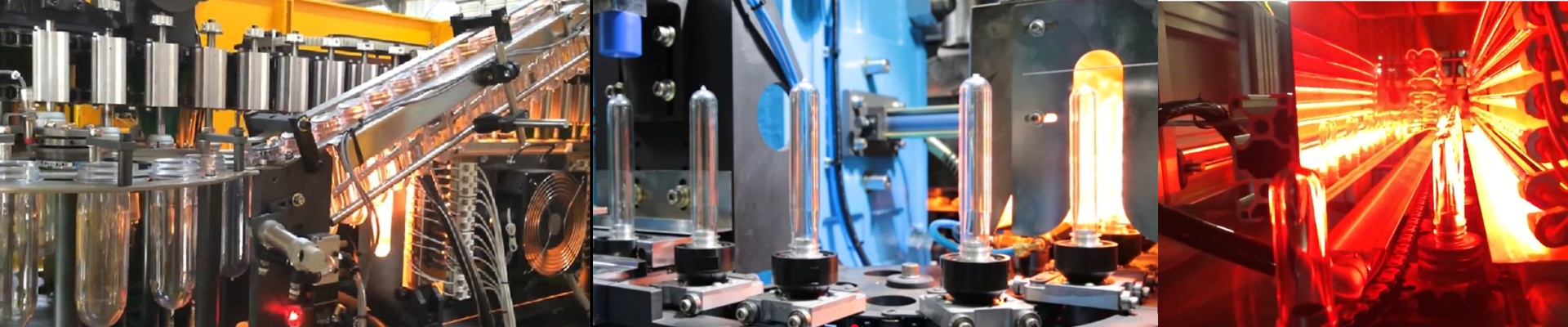
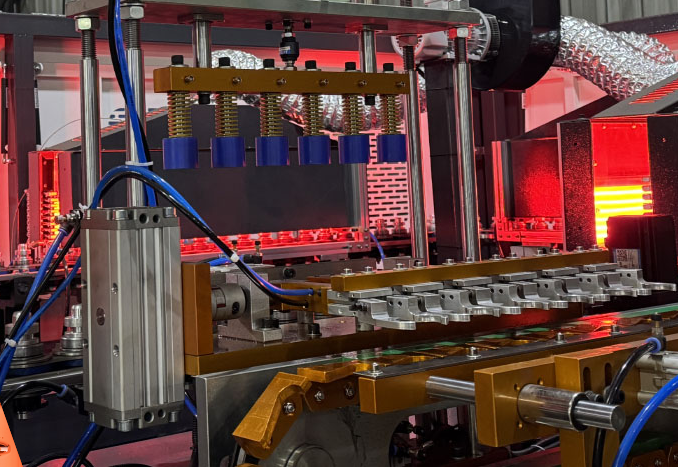
We built this high-intensity IR emitter specifically for the KHS Husky HyPET blow molding platform. It’s a direct-fit upgrade, plain and simple. Its whole job? Deliver steady, even heat across the PET preform. The kind of heat you can count on, cycle after cycle. That’s how you lock in consistent timing and stop scrap from sneaking in when hot spots drift.
Power, Voltage, and Thermal Density
In blow molding, you need heat fast—but you also need control. So we designed this lamp to concentrate serious thermal energy into a tight space. It heats quickly without over-cooking the preform wall. We matched the voltage and wattage to the HyPET’s electrical specs. That means the lamp pulls its rated load cleanly, without straining the existing wiring. And the length? The arc length? Both are sized to fit the heating station exactly. So you can swap it in as a replacement without reworking brackets or fighting for clearance. Here’s the reality check: high-intensity output needs airflow. If the machine’s cooling path is too small, heat builds up and components can drift outside their safe operating range. When you install it, take a moment to verify airflow and check the reflector condition.
Material & Design: Coated Quartz and the R7s Interface
The heart of it is a coated quartz envelope. Quartz earns its keep by handling rapid temperature swings and staying steady in a gritty industrial environment. The coating is tuned to shape the infrared spectrum, pushing more heat into the PET and wasting less energy as visible light. Then there’s the R7s two-pin connector. It’s a proven interface, and it makes the lamp a true plug-in replacement. Less changeover time on the line. And because alignment between lamp and reflector directly affects heat uniformity, that consistency matters.
Application & Benefits: KHS-Compatible Heating Uniformity
On a KHS blow molding line, heating uniformity is the quiet hero. It’s the difference between steady bottle weight and constant tweaking. This emitter is engineered to KHS-compatible dimensions and thermal output. So you can replace aging lamps without having to re-validate the entire heating profile. What you get is a more predictable preform temperature curve across the neck and body zones. That stability supports consistent blowing pressure and helps reduce pinholes. And when maintenance day comes, the R7s connection means you can swap a lamp quickly—minimizing downtime. If your line struggles with uneven heating, focus on three things: the lamp’s rated intensity, the reflector condition, and the cooling air path. Get those aligned, and the thermal field settles down.