

The Truth About Bathroom Heaters
Let’s be honest: bathrooms are a nightmare for electronics. You’ve got thick steam, random water splashes, and temperatures that swing from freezing to sauna-hot in minutes. You’ll see “IP66” on the box, which basically means it can handle dust and high-pressure water jets. But here’s the thing—a seal is only good if it actually stays sealed. We don’t just trust a factory-fresh gasket and hope for the best. That’s why we put every single batch through a “damp-heat” aging process.
Why we obsess over damp-heat tests
Moisture is sneaky. It doesn’t just sit on the outside; it migrates. Over time, humidity finds its way past the gaskets and starts eating away at the wiring insulation. To stop this, we throw our units into chambers that mimic years of steam exposure in a tiny fraction of the time. We’re looking for “creepage”—that’s when moisture creates a little bridge of electricity where it shouldn’t be. If the insulation dips even a bit below our standards, the unit is trash. Simple as that.
The “breathing” problem
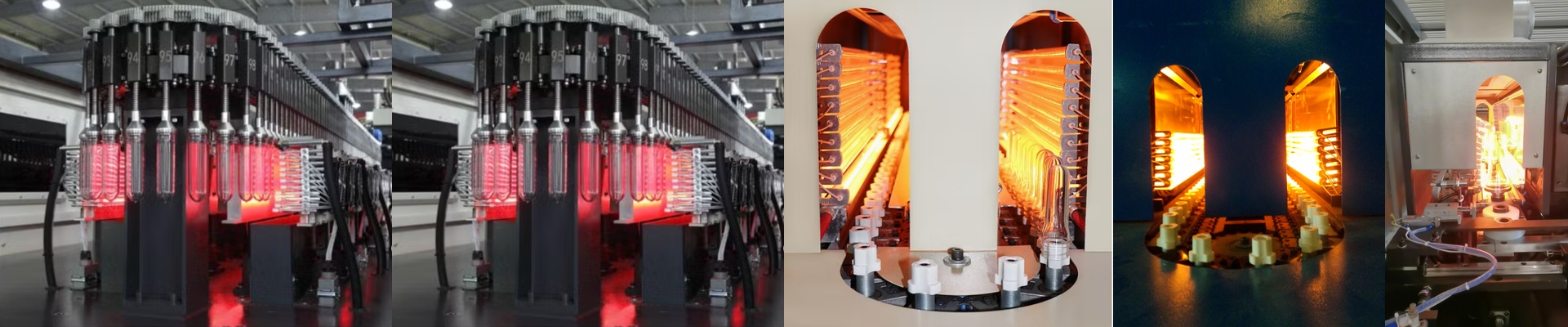
Infrared lamps get incredibly hot, very fast. The problem is that the quartz glass and the metal housing don’t expand at the same rate. The unit basically “breathes”—expanding and contracting every time you flip the switch. Do that enough times while the air is saturated with moisture, and those IP66 seals can start to loosen. We force this cycle of heating and cooling during our tests to check for leaks or rust on the terminals. If it fails in our lab, it would’ve failed in your customer’s bathroom. We’d rather find that out here.
The balancing act
Here is the tricky part: tight seals are great for keeping water out, but they’re terrible for letting heat escape. Since a fully sealed unit doesn’t have much airflow, the internal electronics run hotter than they would in an open-frame heater. It’s a trade-off. We spend a lot of time balancing that seal integrity with a solid heat-sink design. The goal is a heater that stays waterproof without burning itself out from the inside. As long as you leave the recommended clearance during installation, it’ll actually last.