Engineering Rapid Heating: How Infrared Lamps Deliver Step-Controlled Temperature for High-Precision Applications
We built these rapid-heating infrared lamps for engineers who need speed and control in the same breath. Because sometimes, getting hot isn’t the hard part. Hitting a specific temperature curve—again and again—is. These lamps can start and stop on the second. That means you can run step-controlled temperature profiles with repeatable accuracy, even on the toughest heating and drying jobs.
Power, Voltage, and Physical Specs: The Setup That Makes It Possible
To get that fast ramp-up, we lean on a high-voltage, high-wattage design. The 400V supply pushes 2500W of output through a compact 300mm tube. That gives you a concentrated burst of heat that fits neatly into tight spaces. The 300mm length isn’t arbitrary. It carves out a clean heating zone—no wasted space, no messy layout. Your equipment stays tidy, and it stays serviceable.
Material and Design: The Details That Keep It Tough
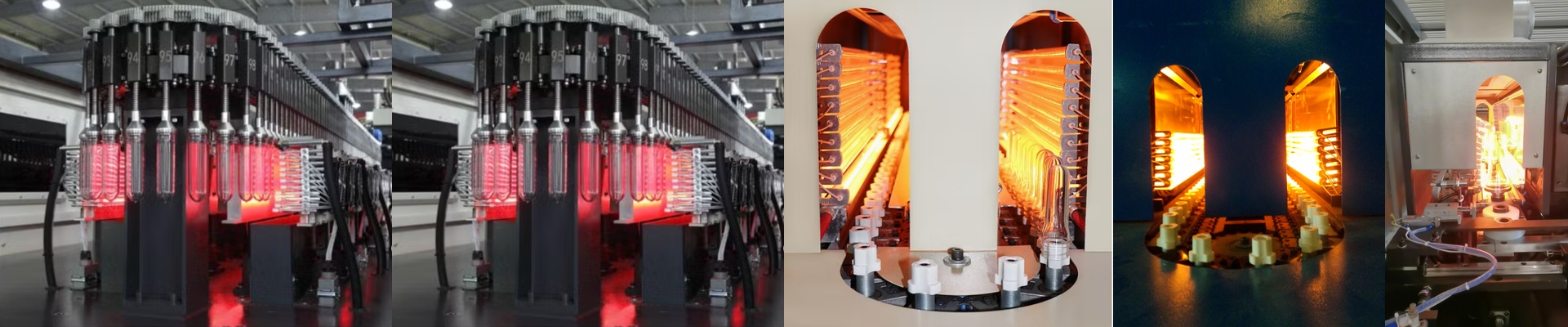
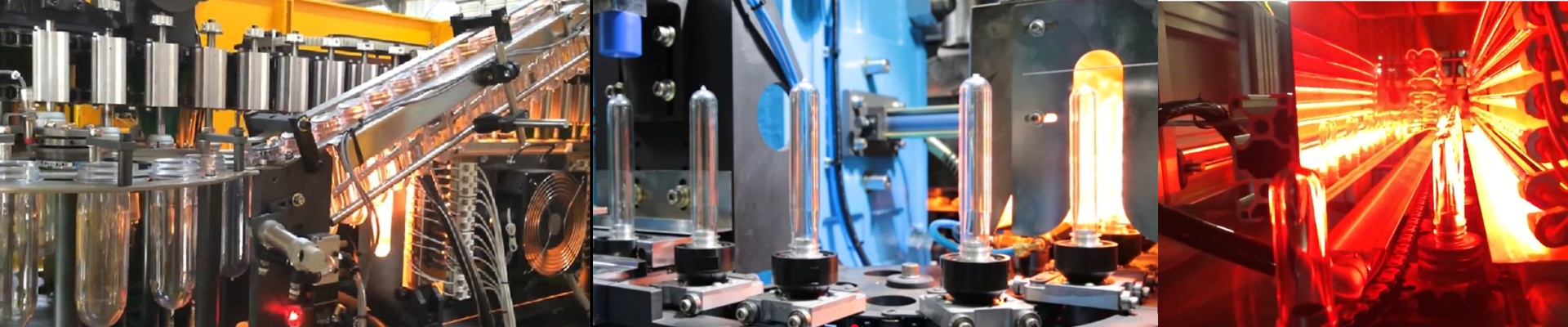
Inside the quartz envelope sits a halogen element. It keeps the filament steady even when you’re toggling the lamp on and off by the second. That stability is everything when you’re running step-control cycles. The tube coating helps spread the heat evenly and prevents hot spots that can kill a lamp early. And we use the R7s connector because it’s a familiar, proven interface for linear lamps. It’s simple to wire, easy to replace, and built to handle repeated thermal shock.
Application and Benefits: Precision in the Real World
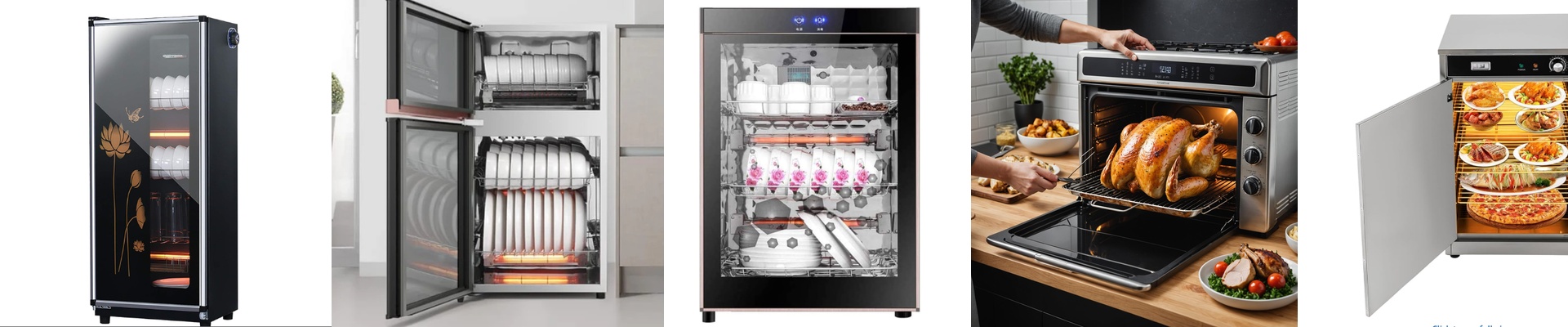
In places like tableware drying systems, the combination of precision and quick response lets you run stepped profiles—ramp, hold, cool—without overshoot. The lamp hits the target fast, holds steady, then shuts down clean. But here’s the honest part: that kind of heat density needs room to breathe. If your enclosure is too small, ambient heat will push components to their limit. Plan your cooling up front, and you get a process that’s reliable, repeatable, and keeps downtime low.