


Why it’s time to ditch those old bathroom heat lamps
We’ve all been there. You step into the bathroom on a freezing morning, flip the switch on those old halogen heat lamps, and… nothing. Or maybe one of them flickers and dies. The problem is that those old bulbs are fragile. They hate moisture. In a room full of steam, water vapor just seeps into the housing, eats away at the contacts, and kills the unit. It’s a constant battle against the humidity. That’s why we’re moving toward waterproof infrared heaters. They just make more sense for a bathroom.
How the heat actually works
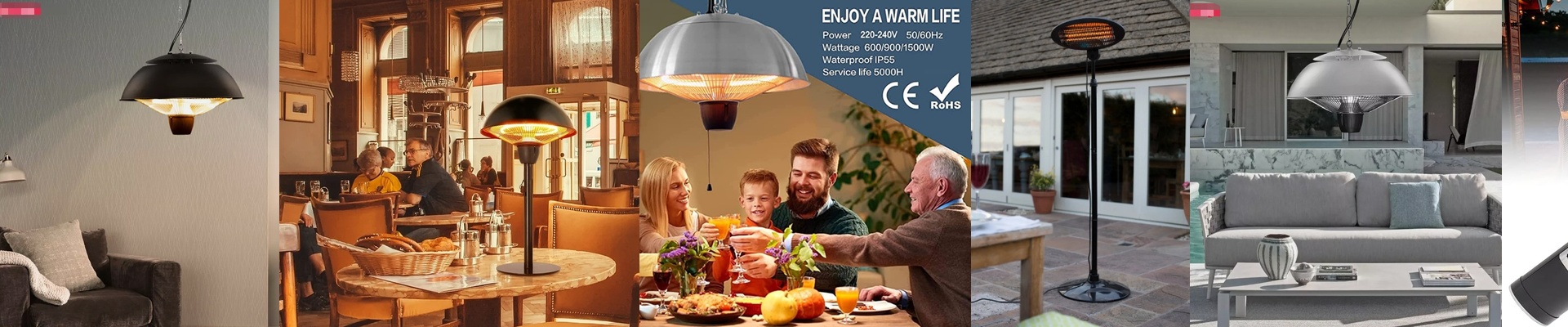
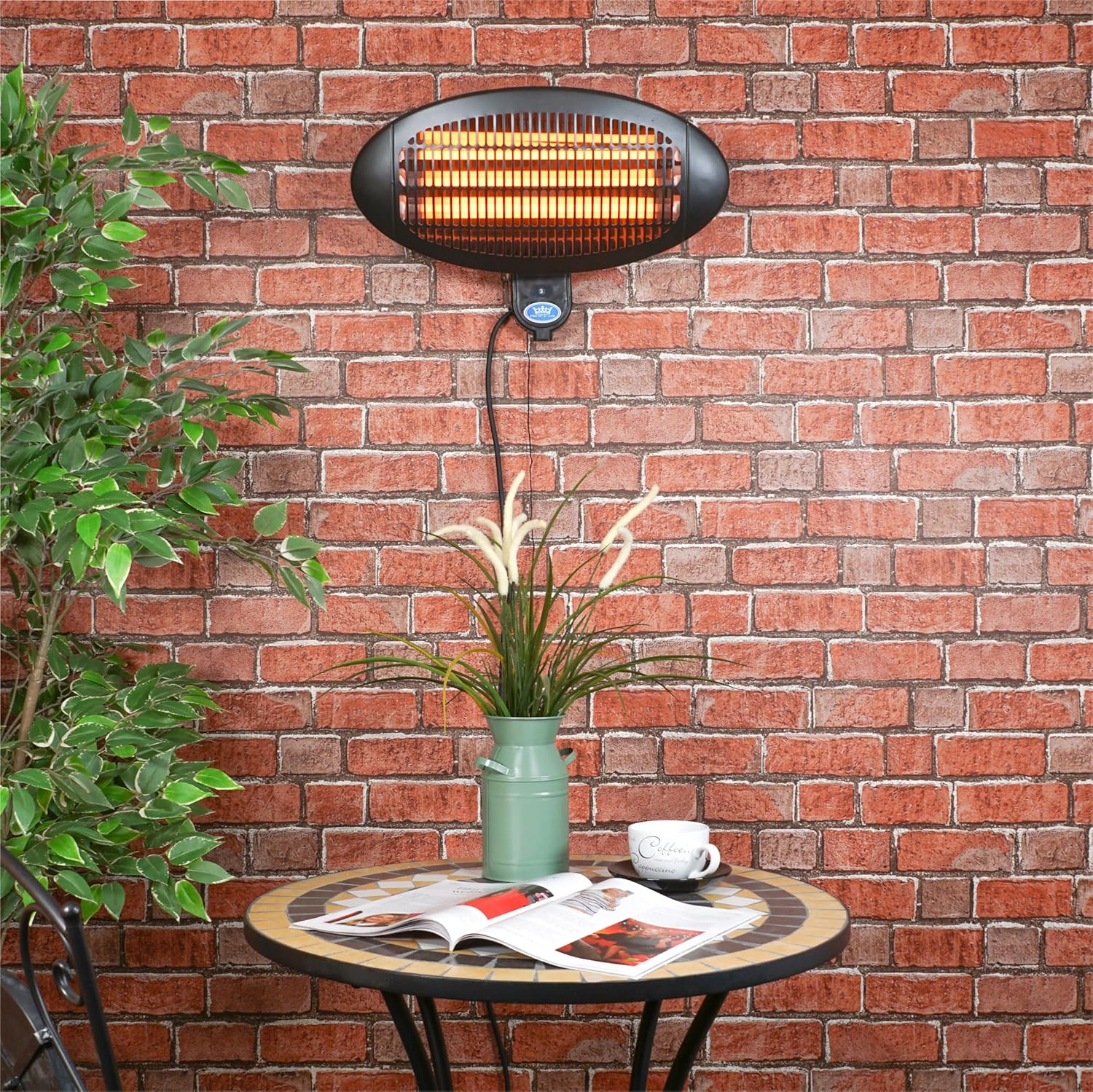
Think of it this way: old lamps try to heat the air. But in a drafty bathroom, that warm air just floats away. You’re left standing in a cold room with a hot ceiling. Infrared is different. It doesn’t care about the air. It sends waves that hit your skin and the tiles directly. It’s instant. You feel the warmth the second you turn it on. To make sure these actually last, we seal the heating element inside a quartz tube and wrap the whole thing in an IP-rated housing. Basically, we’ve built a fortress around the electronics so the steam can’t get in.
The nitty-gritty on waterproof specs
If you’re picking one out, look for an IP44 rating at the bare minimum. But if the heater is anywhere near the shower? Go for IP65. That means it can handle water jets without breaking a sweat. We also use alloys that don’t rust or pit. There’s nothing worse than a “premium” heater that starts looking pitted and crusty after six months of steam. And here’s a pro tip: watch the wiring. Cheap PVC cables are a disaster in these units. They get brittle and crack after being heated and cooled a thousand times. We use silicone-insulated cables instead. They stay flexible. They stay safe.
One thing to watch out for during install
Here is the catch. These infrared units usually pull more power than those old lamps did. If you just swap them out without checking your electrical panel, you might trip your breaker the moment you hit “full blast.” Before you start drilling, take a look at your wire gauge and your circuit breaker. You want to make sure your home can actually handle the load so you aren’t spending your morning resetting the power in the basement.