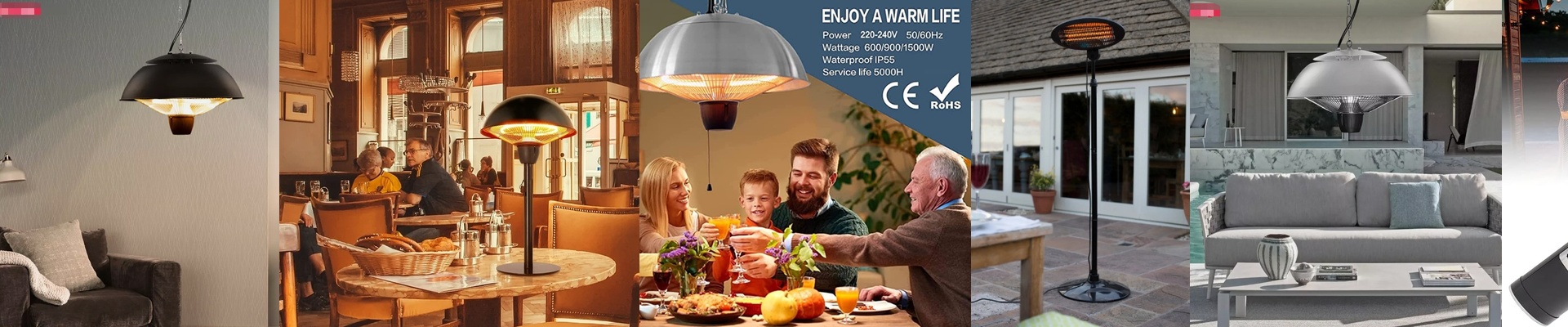
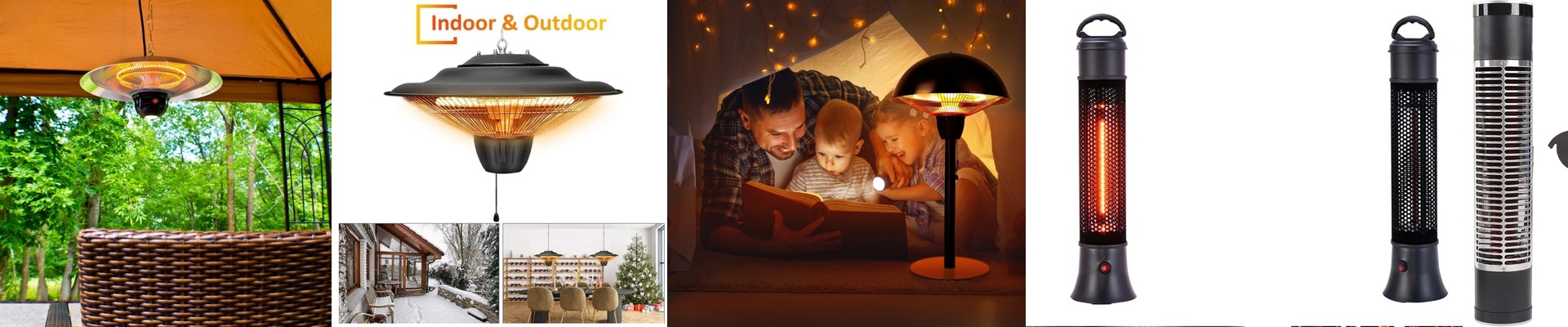

There’s nothing worse than a cold evening that drags on because your heater takes forever to earn its keep. Convection units just circulate air that never feels truly warm, and you end up hovering by the thermostat, checking and rechecking, wasting time. Infrared space heaters flip that script. They deliver warmth the way the sun does—directly to people and objects, not to the empty air between.
What matters under the hood
Infrared electric heaters turn electricity into radiant heat through a high-efficiency emitter—usually a carbon fiber element or a quartz tube tuned for the infrared spectrum. The numbers aren’t hype: in well-engineered models, up to 99.8% of the input energy becomes usable infrared warmth. That means you’re not wasting energy heating a coil that then has to warm air. The heat travels outward as directional warmth that lands on skin, furniture, and floors, and the comfort is immediate. You get heat on demand, not after a long warm-up cycle.
Why this shines where you need it
This matters most when you want comfort fast and you want control over energy use. In a living room, on a patio, or out in the workshop, infrared warmth feels natural because it warms you first, not the room. You feel the heat within seconds, and the air stays calmer—fewer drafts, less of that uneven temperature swing. For homeowners, that means fewer hours running the whole-house system just to feel cozy in one corner. For outdoor living, an electric infrared heater keeps the conversation going long after the sun drops, without the roar of a propane burner.
The practical details you can’t skip
Infrared heat works best when there’s a clear line of sight to the heater and the unit is sized to the distance. For personal comfort, match the heater rating to the square footage you want to cover, and position it so the warmth sweeps the seating area. Because these are electric heaters, plan for a dedicated outlet and keep the power cord fully unrolled to prevent overheating. For peace of mind, pick a model with tip-over protection—if the heater gets accidentally knocked over, it shuts off automatically.