More Than Just a Warm Bathroom
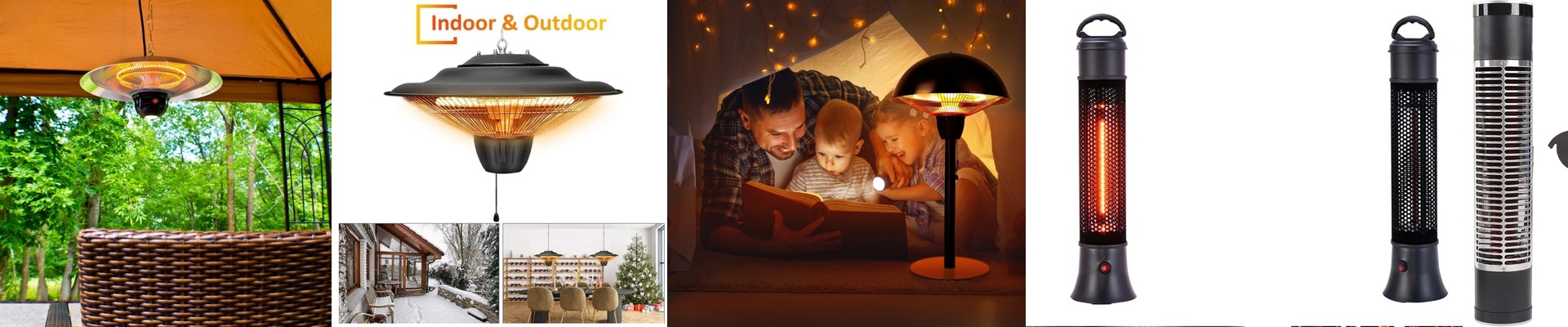
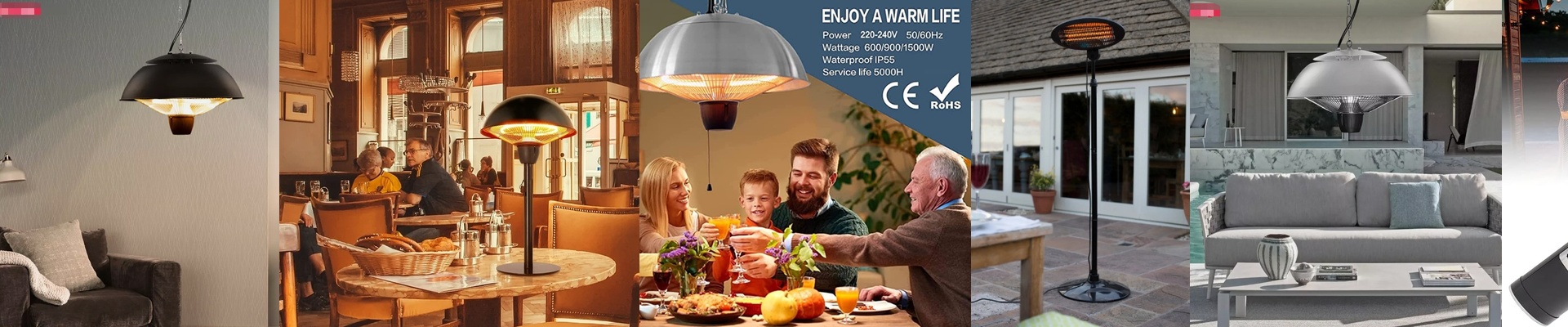
Most of us think of a bathroom heater as something to keep us from shivering while we get dressed. But if you look at it from an engineering perspective, it’s actually more about fighting moisture. We use short-wave infrared (SWIR) emitters to do the heavy lifting. Instead of just trying to warm up the air—which takes forever—these emitters go straight for the water vapor and the damp surfaces.
How it actually works
Standard heaters just push warm air around. Infrared is different. It sends out energy that hits your mirror, your walls, and your floor directly. When those surfaces stay warm, water can’t settle on them. This is why your mirror doesn’t fog up. And here is the best part: it’s a nightmare for mold. Mold loves cool, damp corners. By keeping those spots dry with radiant heat, you’re basically taking away the only thing mold needs to survive. You aren’t just heating a room; you’re keeping your home healthy.
The trade-offs
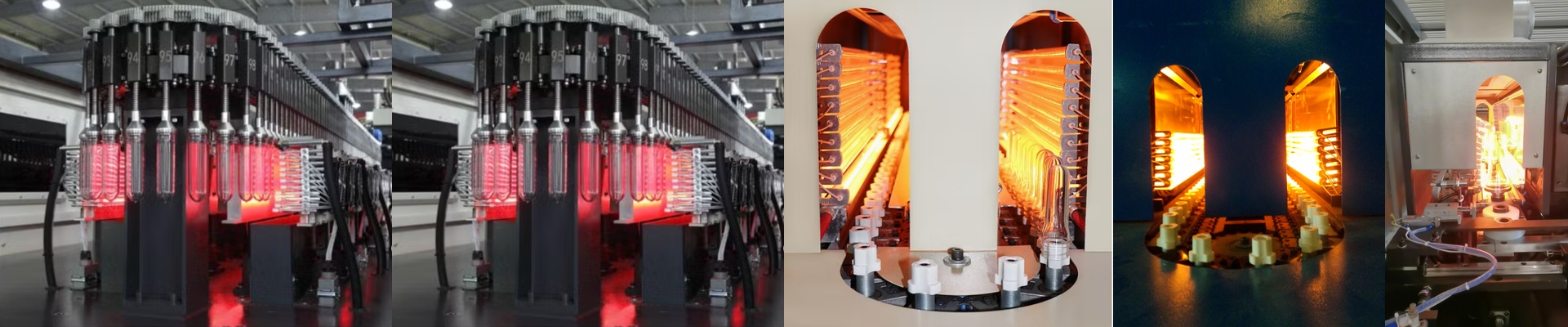
Of course, nothing is perfect. We usually balance how much heat we pump out with safety. High-wattage quartz lamps are the fastest way to get the job done, but they gethot. Really hot. We have to make sure the housing is tough enough to handle that heat without warping or melting. Also, keep in mind that it isn’t an instant switch. The lamp needs a moment to reach the right temperature before it starts evaporating moisture. It takes a few seconds to kick in, but it’s worth the wait.
A better way to breathe
The real win here is that you don’t have to rely so much on those loud, rattling exhaust fans. By managing the dew point with radiation, the whole room just stays drier. It’s a simple mechanical fix for a biological problem. Your fixtures last longer, the room stays cleaner, and you don’t have to listen to a noisy fan while you’re trying to wake up.