
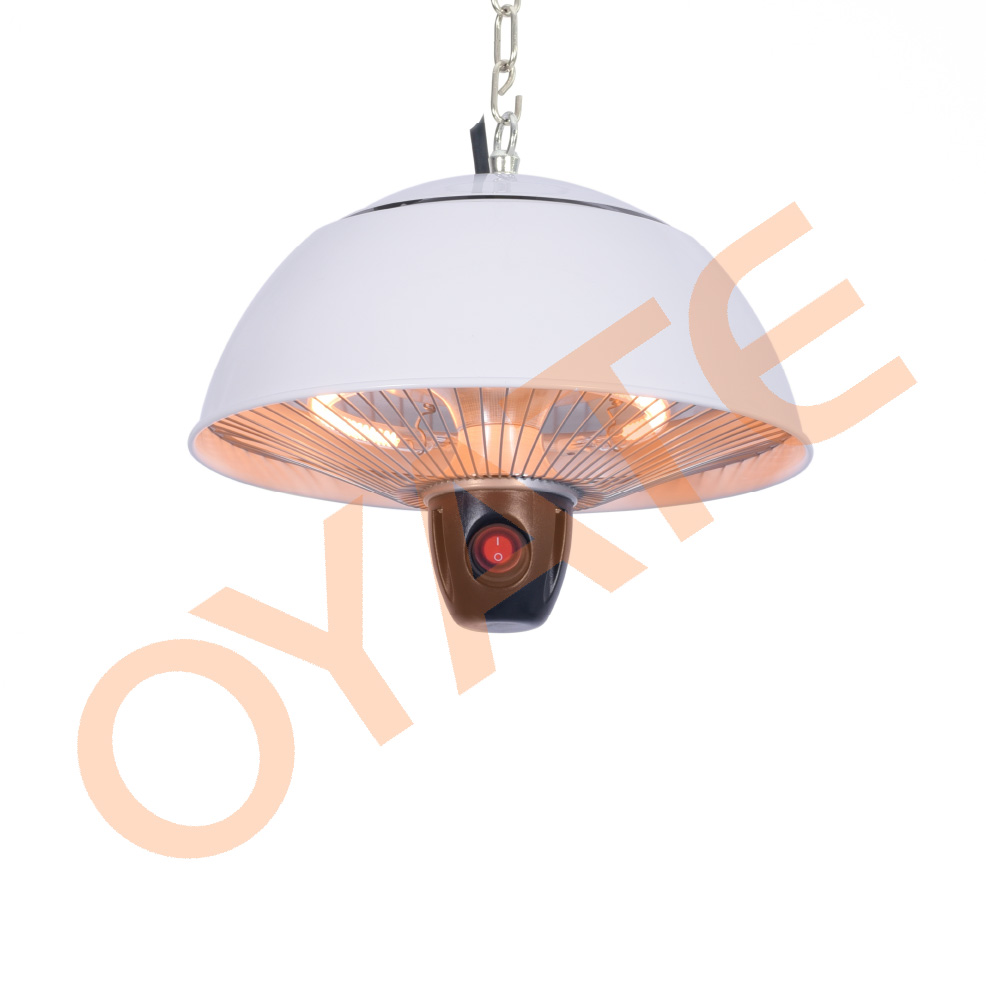
Making Bathroom Heaters That Actually Work (And Won’t Blind You)
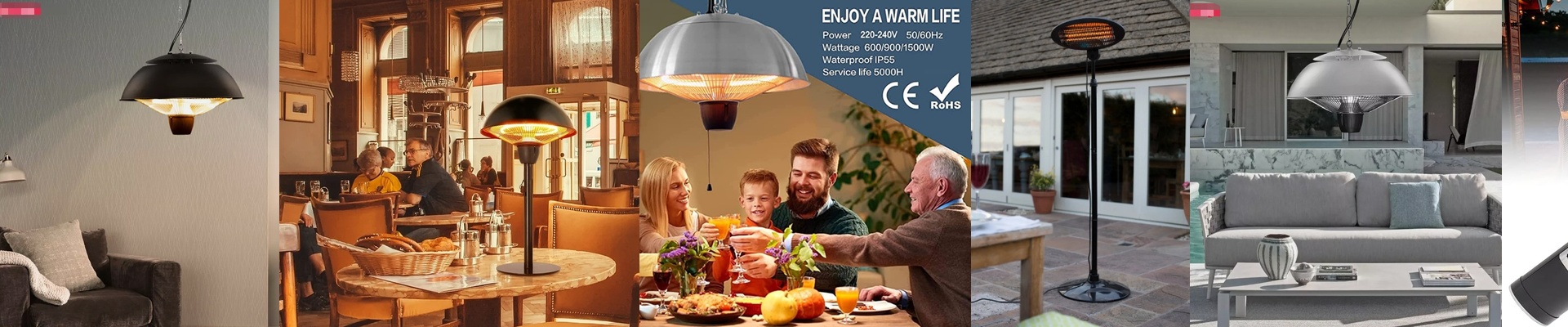
When we design infrared heaters for bathrooms, we’re basically fighting a war on two fronts: we want a blast of heat that makes you forget you’re naked in a cold room, but we have to keep things incredibly safe. Here’s the problem: a standard IR lamp is basically a spotlight. It’s blinding. If you’ve got kids or elderly parents in the house, that kind of glare isn’t just annoying—it’s dangerous for the eyes.
Taming the Glare
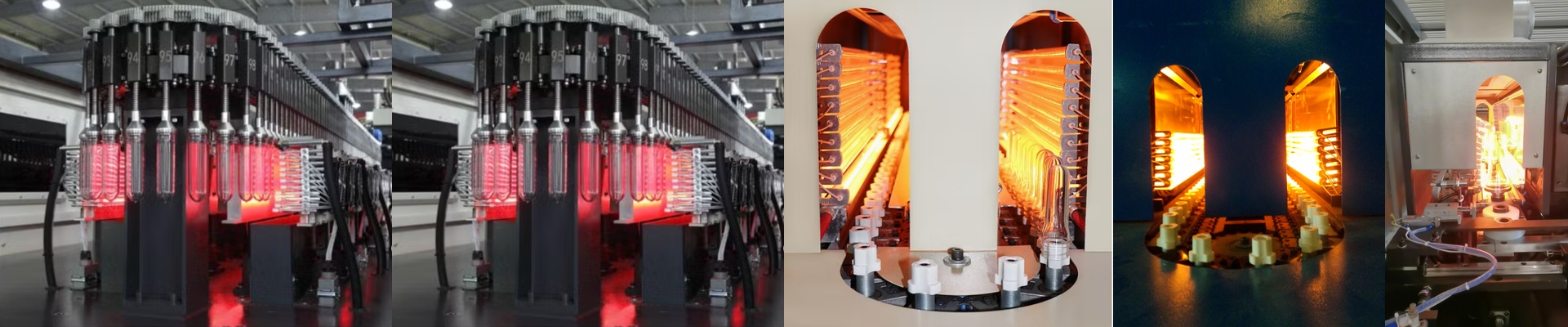
We fixed this by messing with the light spectrum. Instead of using raw short-wave IR—which gives off that harsh, clinical white light—we use filtered quartz tubes and specific halogen blends. It softens everything. You still get that instant, cozy warmth on your skin, but you don’t feel like you’re staring into the sun. Sure, filtering the light means we lose a tiny bit of raw heat power, but it’s a trade-off we’ll make every single time to keep people safe.
Keeping the Water Out
Water and electricity are a nightmare pairing. That’s why we build these to an IP55 standard. In plain English? It means the housing is tight. We use silicone gaskets at every single seam and seal the cable entries tight. Whether it’s a stray splash from the shower or just that thick, heavy steam that fills a bathroom, the internals stay bone-dry. No shorts, no sparks, no worries.
Managing the Heat
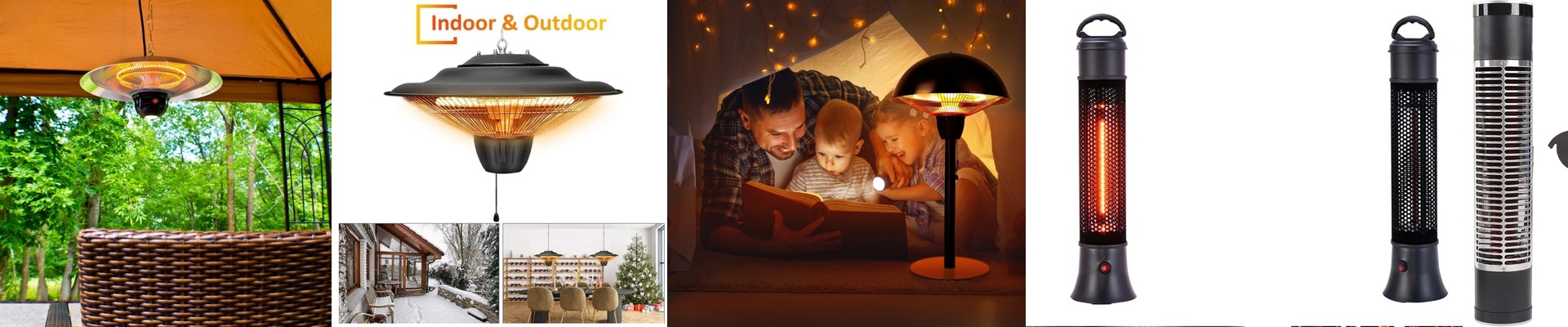
To make sure the heat actually hits you and not just the ceiling, we use a reflective aluminum housing to bounce the rays straight down. It creates a focused “warm zone” right where you need it. One quick tip, though: these things put out a lot of energy in a small space. Make sure wherever you mount it can handle the heat soak. If the air doesn’t move enough, the internal thermal cutout will kick in and shut the unit down to keep the housing from warping. It’s a safety net, but it’s better to just give the unit some breathing room from the start.