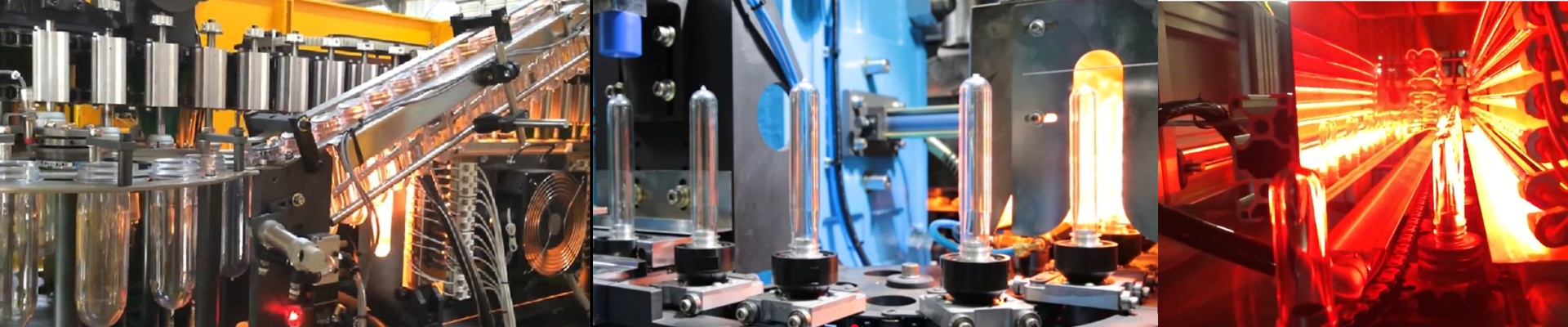
Getting the Heat Right for PET Preforms
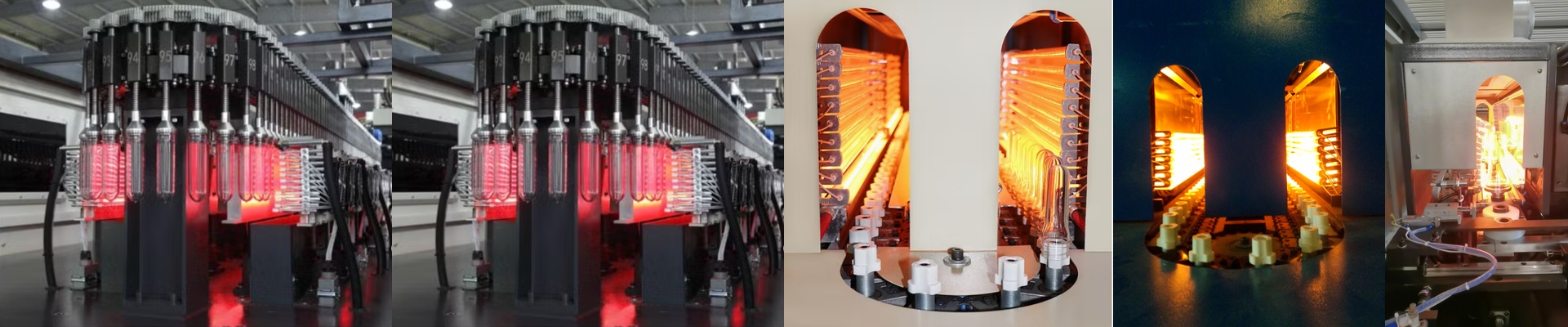
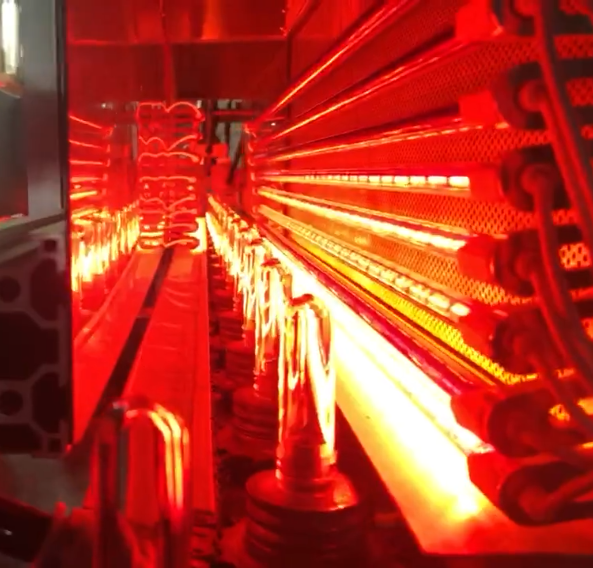
If you’ve ever pulled a bottle off the line and found “cold spots” or weirdly thin walls, you know the frustration. It usually comes down to one thing: the heat isn’t actually getting into the plastic. It’s just sitting on the surface. To fix that, we use 380V infrared lamps. For those of you running Sidel SBO or Husky HyPET systems, these are the heavy lifters.
Why 380V?
Here’s the thing about power density. We spec these lamps at 380V because we need to hit a specific wattage to keep up with high-speed cycles. By bumping up the voltage, we can push way more energy through the filament without needing a bigger, bulkier bulb. It creates a concentrated blast of heat. You get a faster warm-up and a much more aggressive thermal hit on the preform. It just works faster.
The Tech Under the Hood
We use high-purity quartz glass for a reason. It stops the bulb from absorbing its own radiation, so all that shortwave IR goes exactly where it belongs—into the PET. Plus, there’s a halogen cycle happening inside. It basically recycles the tungsten back onto the wire so the filament doesn’t just burn out and leave you hanging mid-shift. We’ve tuned the spectral output to match the way PET absorbs heat, ensuring it penetrates deep rather than just scorching the outside. And the best part? You can just drop these into your existing SBO or HyPET frames. They fit the standard sockets, so you don’t have to mess around with rewiring your cabinets.
A Word of Caution
Now, all that heat density comes with a trade-off. Driving lamps at 380V makes the inside of your oven get hot. If your cooling blowers are clogged or your airflow is acting up, you’re risking your reflectors. I can’t stress this enough: keep those reflectors clean. Check them every single shift. A bit of dust might seem like nothing, but it kills the penetration gains you’re paying for with that 380V output.