Stop Settling for “Standard” Heat in Your Pizza Line
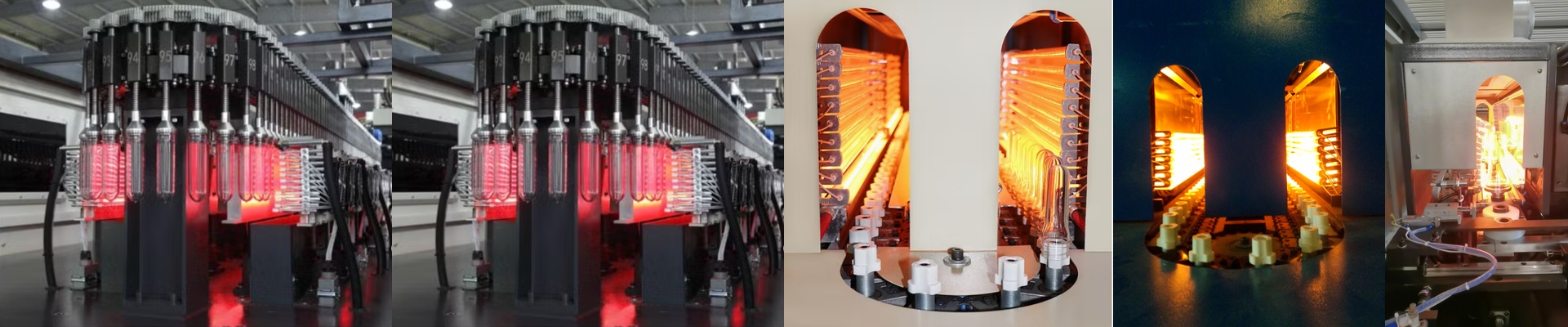
If you’re trying to push more pizzas through your line, you’ve probably realized that standard heating elements only get you so far. Sure, a generic replacement part fits in the slot, but it usually can’t hit the heat density you need to speed up the bake without turning the crust into a charcoal briquette. If you want to actually move the needle on your production speed, you have to stop buying off-the-shelf parts and start looking at custom infrared (IR) modules. Why “just turning it up” doesn’t work Here’s the thing: most standard elements rely on general convection. It’s slow. Custom IR modules are different because they use short-wave or medium-wave radiation. We build these to hit a very specific wattage-per-centimeter. Instead of just warming the air, the energy shoots straight into the dough and the toppings. That means the pizza spends less time sitting in the oven. And please, don’t try to just crank up the voltage on a standard bulb to get more heat. You’ll fry the filament in a few days. We handle that by customizing the coil density and the thickness of the quartz tube. It lets the module handle a much heavier load without burning out. The difference between a “fit” and a “fix” A drop-in replacement is easy. You slide it in, and it works. But it doesn’t fix a bottleneck. With custom modules, we can actually play with the emitter length and the geometry of the reflector. We can angle the heat so it hits the cheese and toppings harder than the base. It’s a much smarter way to cook. Plus, if your line is humming 24/7, vibration is a real killer. We use reinforced connectors so things don’t shake loose and heavy-duty quartz so the tubes don’t start bowing over time. A quick heads-up on the trade-offs More heat density means faster throughput, but it does put more stress on your oven’s frame. If we pack 3000W into a tiny footprint, the exterior casing is going to get hotter. Before you make the switch, just double-check that your ventilation and cooling fans can handle the extra ambient heat. You don’t want your thermal sensors tripping and shutting down the whole line right in the middle of a rush.