
Stop Freezing in Your Bathroom: Why High-IP Infrared is the Way to Go
We’ve all been there. You step out of a hot shower into a bathroom that feels like a walk-in freezer. Those old-school “heat lamps” usually don’t cut it because they just aren’t made for the steam. That’s why more people are switching to high-standard waterproof infrared heaters. The best part? They don’t waste time trying to warm up the air. They just send the heat straight to you.
Why the “IP Rating” Actually Matters
Bathrooms are basically torture chambers for electronics. Between the steam and the occasional splash, standard heaters tend to short out pretty quickly. High IP-rated units are built differently. They use sealed quartz tubes and housings that actually keep the moisture out. It’s not just about playing it safe, either. It keeps the inside of the unit from rusting away. If you go with a properly rated heater, you won’t find yourself buying a replacement every single winter.
Heat You Can Actually Feel
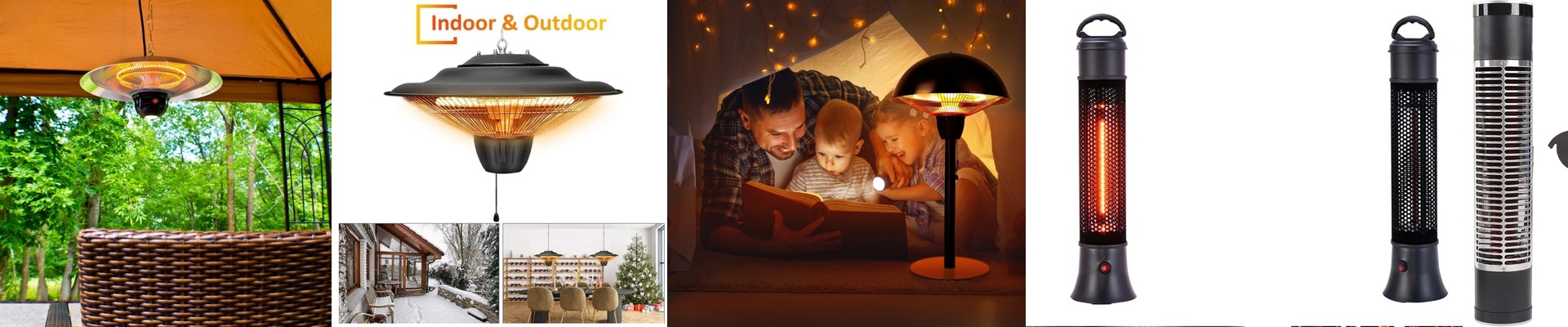
Most heaters rely on convection. They warm the air, the air rises, and you end up with a boiling hot ceiling while your toes are still freezing. Infrared is a different beast. It uses shortwave emitters to send out waves that hit your skin and turn into heat instantly. It’s fast. Really fast. It feels more like standing in a patch of sunlight on a crisp autumn day.
The Catch (and How to Handle It)
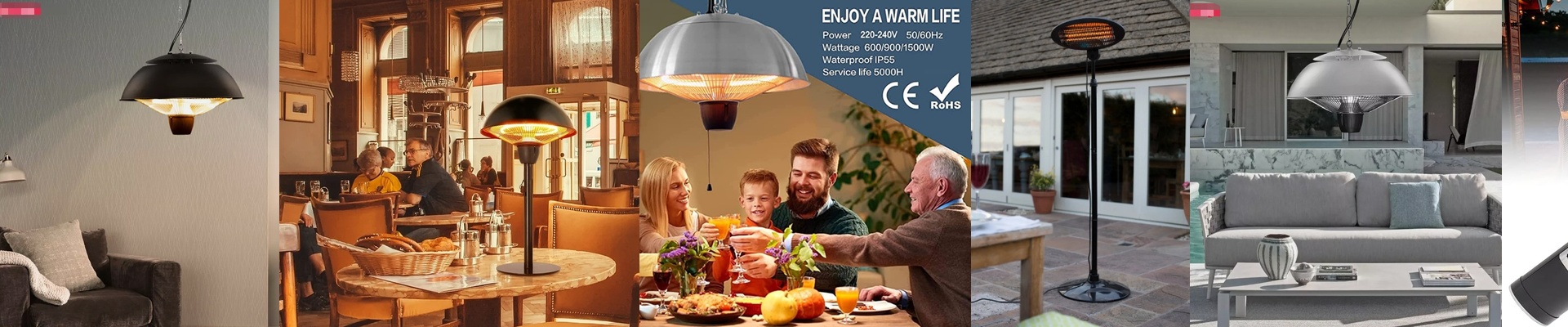
Usually, these go in the ceiling to give the heat plenty of room to spread. But here’s the thing: infrared works on a “line-of-sight” basis. If you have a massive vanity or a partition wall in the way, you’re going to have cold spots. You’ve got to actually map out where you’ll be standing before you start drilling holes and running wires. And one last heads-up: these tubes pull a lot of power. If you’re putting this into an old house, check your circuit breaker first. You don’t want the lights to go out the second you try to get warm. You might need to beef up the wiring to handle that instant hit of heat.