Keeping Changing Rooms Warm (Without the Drama)
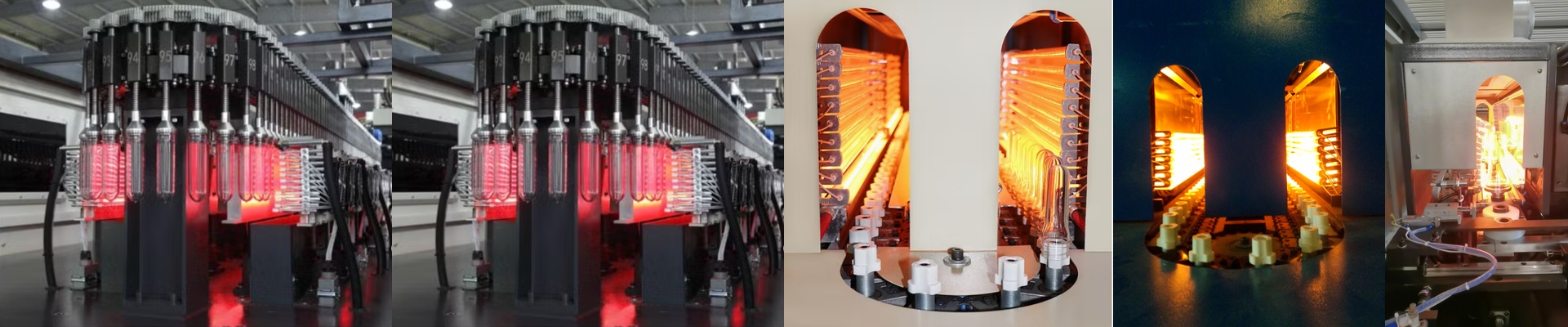
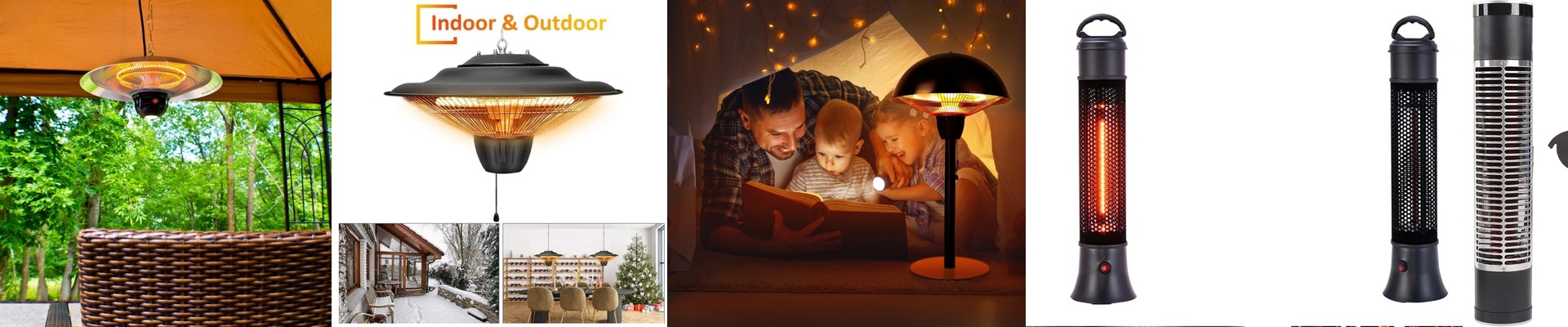
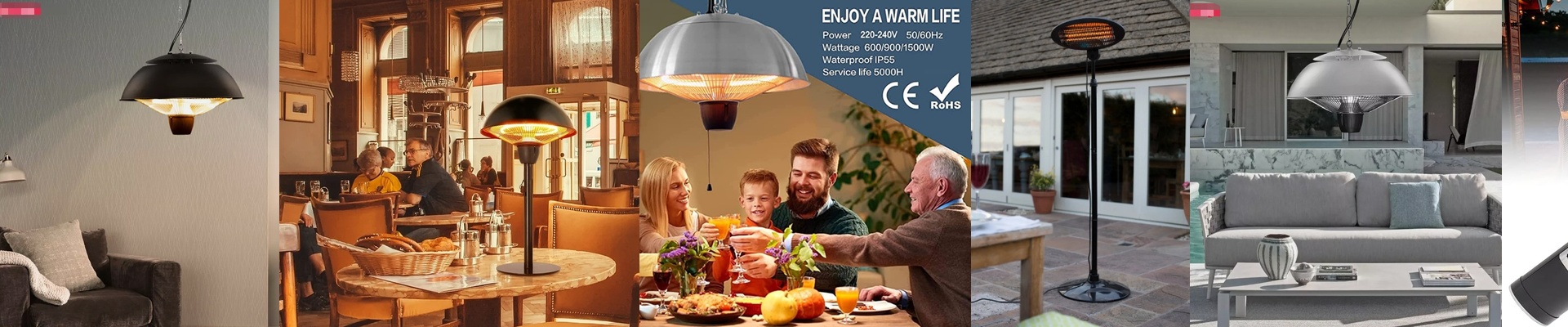
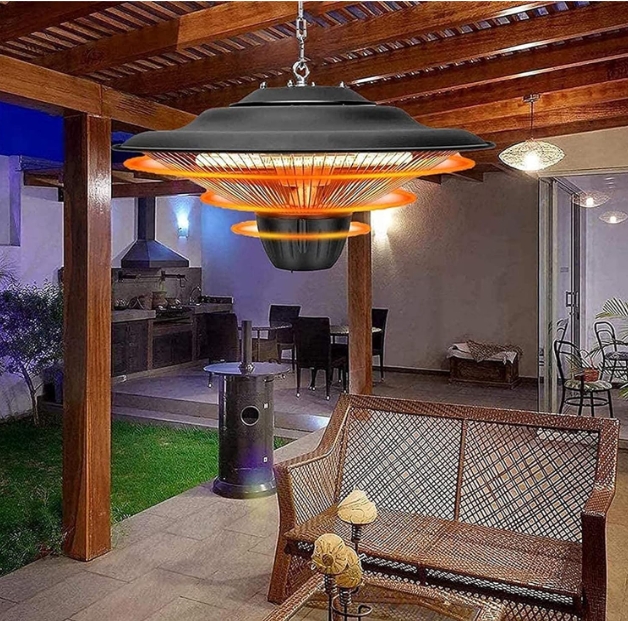
Heating a changing room isn’t as simple as just cranking up the wattage. You’re fighting a losing battle against humidity, splashing water, and that dreaded shiver people get the second they step out of the shower. That’s why we lean on shortwave infrared. Instead of trying to warm up all the damp air in the room—which takes forever—these heaters go straight for the person. It’s like stepping into a patch of sunlight on a cold day.
Dealing with the Water
Water and electricity are a nightmare pairing. If moisture gets into the heating elements, the whole thing is toast. We use an IPX5 rating here. In plain English? It means the unit can take a blast of water from pretty much any angle and keep on ticking. We make this happen by sealing the electrical junctions tight and using heavy-duty gaskets around the quartz tubes. No shorts, no corrosion, no headaches.
Instant Heat
Nobody wants to wait twenty minutes for a convection heater to finally kick in while they’re standing there in a towel. Infrared is different. The filament hits its peak temperature almost instantly. The heat doesn’t hang around in the air; it absorbs right into your skin and clothes. It’s the only real way to kill that “chill factor” in a drafty room.
The Nitty-Gritty of Setup
We use high-grade quartz glass for a reason. If a splash of cold water hits a scorching hot tube, cheap glass will just shatter. Our housings are built to handle that kind of thermal shock. But a word of caution: these things put out a lot of heat in a small space. You can easily create “hotspots” if you aren’t careful. Make sure you wire these into a circuit with a dedicated thermal cutoff so the housing doesn’t overheat. And please, don’t overdo the wattage. You want your guests to feel cozy and warm, not like they’re being grilled. It’s all about finding that sweet spot where it feels comfortable, not scorching.