Why we use 800W IR lamps to fix the “lag” in rotary ovens
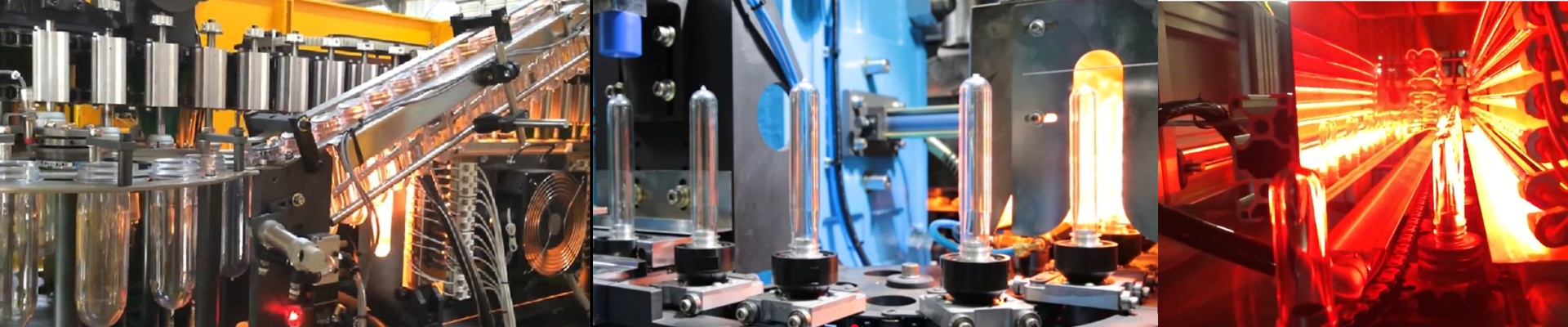
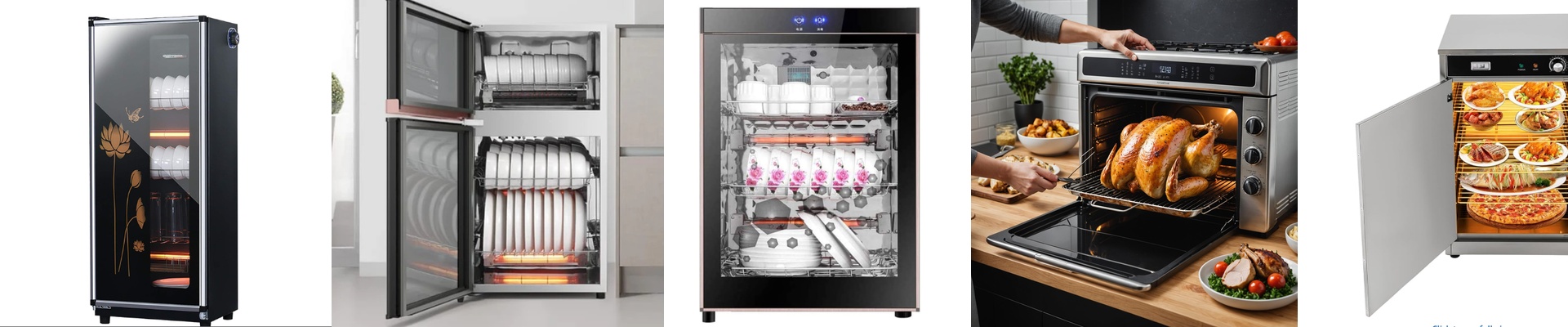
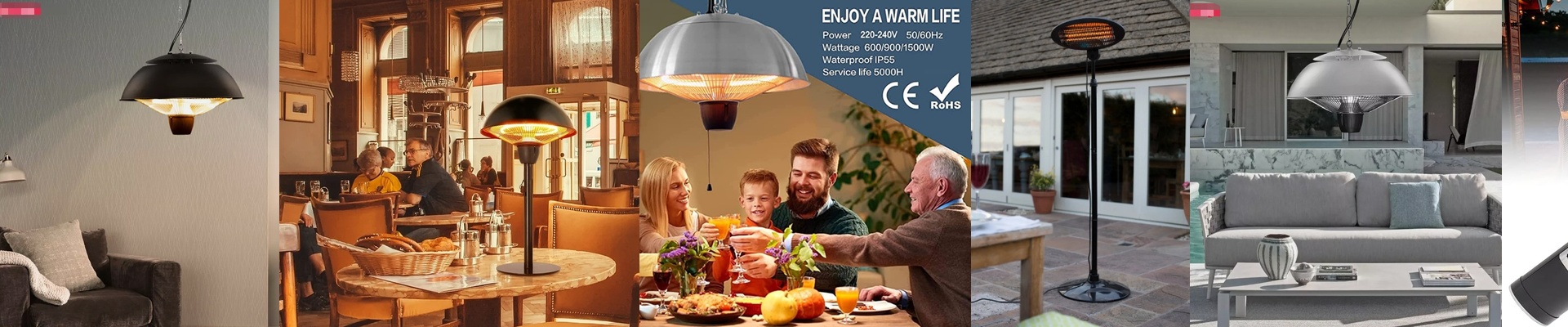
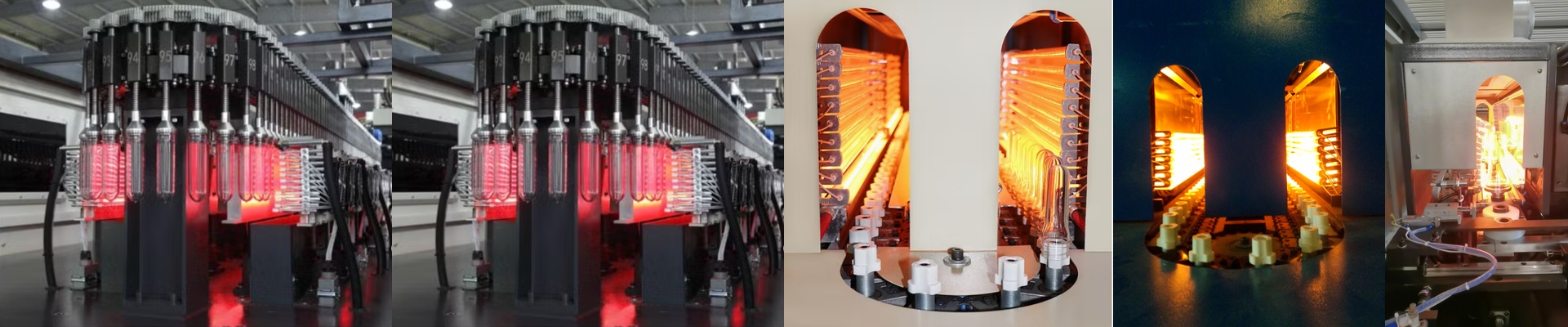
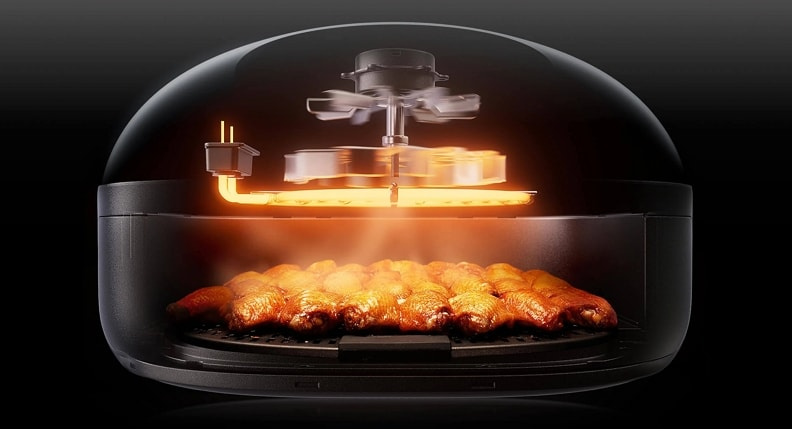
If you’ve ever used a standard convection oven, you know the drill. You turn it on, you wait, and you wait some more while the air slowly warms up. It’s a drag. We decided to skip that whole waiting game. Instead of relying on hot air, we use 800W shortwave infrared (IR) lamps. Think of it like the sun. You don’t wait for the air around you to get hot to feel the warmth on your skin; the radiation hits you directly. That’s exactly what’s happening here. The energy jumps straight to the surface of your product. It’s why you can see temperatures rocket from 0 to 300°C in a matter of seconds. The magic of a “thermal strike” In a rotary oven, your product is always on the move. You don’t have time to warm up the entire oven cavity just to get a decent sear. With these 800W lamps, you get what I call an immediate thermal strike. No long pre-heating cycles. None of that wasted time. Plus, since they’re wired into the control loop, the heat reacts almost instantly whenever your PID settings shift. It’s snappy. What’s actually under the hood? We use high-purity quartz glass for the bulbs. Why? Because rapid heating and cooling usually make glass crack. Quartz can take that thermal shock without breaking a sweat. Inside, there’s a tungsten filament tuned for shortwave emission. This is the secret sauce—it actually penetrates the surface of the food or coating rather than just sitting on top. And because we’ve all dealt with maintenance nightmares, we made the housing and connectors “drop-in.” If a lamp burns out, you just swap it. You don’t have to tear the whole heating array apart and spend your afternoon cursing at a manual. A word of caution Now, all this power comes with a catch. Because the heat is so intense, it’s easy to overdo it. If your conveyor speed is too slow, you’re going to scorch the surface. You’ll end up with a burnt exterior while the inside is still cold. You have to be really precise with your timing relays. Keep those rotation speeds steady, or you’ll start seeing hot spots. It’s a powerful tool, but you’ve got to keep it in check.