
Getting the Heat Right with Carbon Fiber IR Lamps
If you’ve ever struggled with high-difficulty baking, you know that just cranking up the heat doesn’t work. It’s not about raw power; it’s about timing. You need to hit exact temperature marks without accidentally blasting your food into oblivion. That’s why we use carbon fiber infrared (IR) lamps. They react almost instantly.
Why Speed Matters
Most heating elements are just too bulky. They take forever to warm up and even longer to cool down, which creates this annoying lag. By the time your sensor tells the oven to stop heating, the element is still glowing red, and your crust is already burnt. Carbon fiber is different. It hits peak heat in seconds. We use a high-frequency switching cycle—basically flickering the lamps on and off in tiny, sub-second bursts. It’s like a pulse. If the sensor sees a 2-degree jump, the lamp cuts out immediately. No lingering heat, no ruined batches. Just a perfect set point.
The Nitty-Gritty Hardware
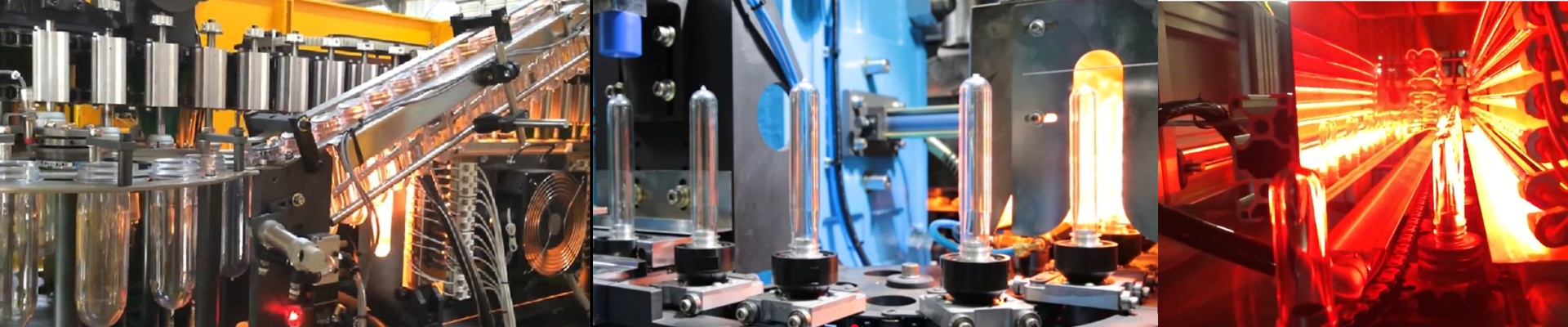
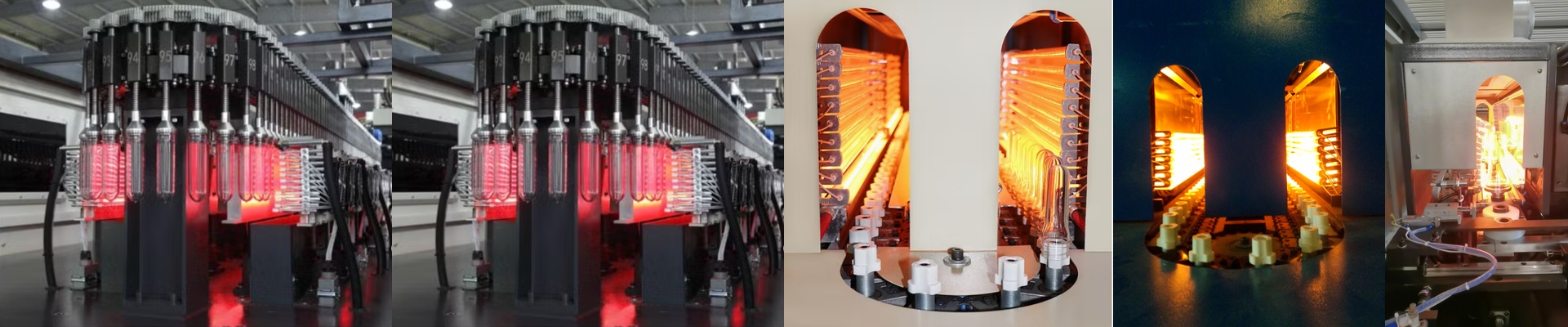
These aren’t your average lightbulbs. We wrap the carbon fiber core in high-purity quartz so it doesn’t oxidize and fall apart in the chaos of a commercial oven. One thing to keep in mind when wiring these: the power density is intense. These tubes dump shortwave IR radiation straight into the food. You aren’t wasting energy heating up the air in the oven; you’re heating the pizza itself. Because the heat is so concentrated, you can’t use cheap reflectors. Go with polished aluminum or gold-plating, otherwise, the heat stress will warp your metal.
A Few Trade-offs
This level of precision comes with a catch: it’s hard on your electronics. Since you’re switching the power on and off so fast, you can’t use mechanical relays. They’ll literally burn out in a few days. You’ll need solid-state relays (SSRs) that can handle the current. Also, make sure your control board is built for high-frequency PWM. If it isn’t, you’ll deal with flickering or, worse, your components will just give up on you.