Stop Burning Your Steaks: A Better Way to Handle Thick Cuts
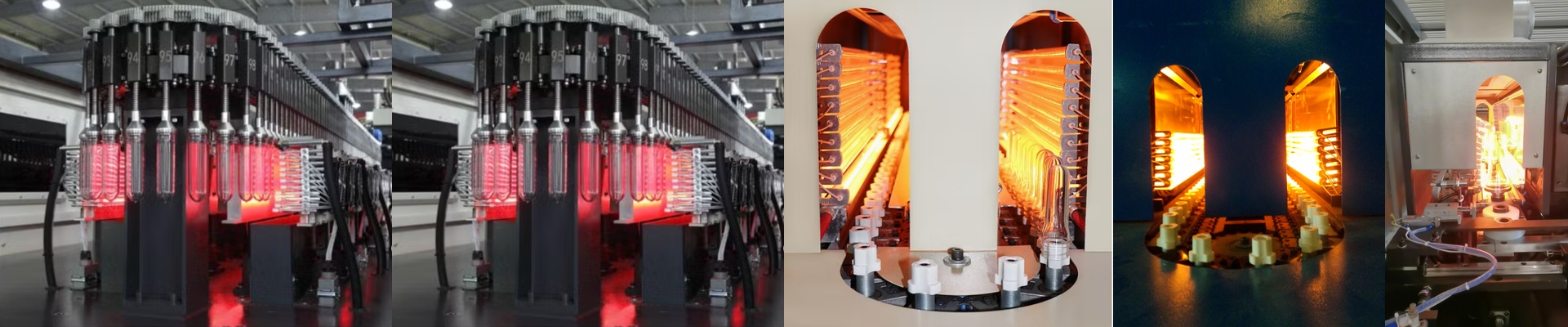
Ever pulled a thick piece of meat out of the deck oven only to find a charred, blackened crust and a center that’s basically still raw? It’s frustrating. We’ve all been there. The problem is that standard convection heat just pushes air around. It hits the surface, cooks it to death, and struggles to get inside. That’s why we started using 110V shortwave infrared (SWIR) bulbs. Instead of just heating the outside, these bulbs send energy deep into the protein fibers. It’s like the heat is teleporting into the middle of the meat. The core warms up at the same time as the surface. Here’s the trick with the physics. We use 110V bulbs because they fit right into standard commercial power grids but still pack a serious punch. The magic is in the frequency. It doesn’t just bounce off the meat; it actually makes the water and fat molecules inside vibrate. Everything happens faster. Your meat spends way less time in that sketchy “danger zone” where bacteria love to hang out, and you don’t end up with a dry, leathery exterior. But a word of warning: you can’t just plug these in and walk away. You need high-precision PID controllers. If your voltage isn’t dialed in perfectly, that energy density will torch your crust before the center even hits 145°F. What you need to know for the install. These bulbs are encased in quartz so they can handle the constant heating and cooling without popping. They’re basically drop-in replacements for most industrial deck oven arrays. One thing, though: keep your reflectors clean. If you’ve got carbon buildup or grease on those mirrors, your efficiency tanks and you’ll start getting weird hot spots. And please, check your wiring. These lamps pull a lot of current. If you’re retrofitting an old oven with undersized wires, they’ll overheat. Just make sure your ventilation is strong enough to pull that heat away from the control board, or you’re going to fry your electronics.