Dealing with Temperature Swings Using Black Ceramic IR Emitters
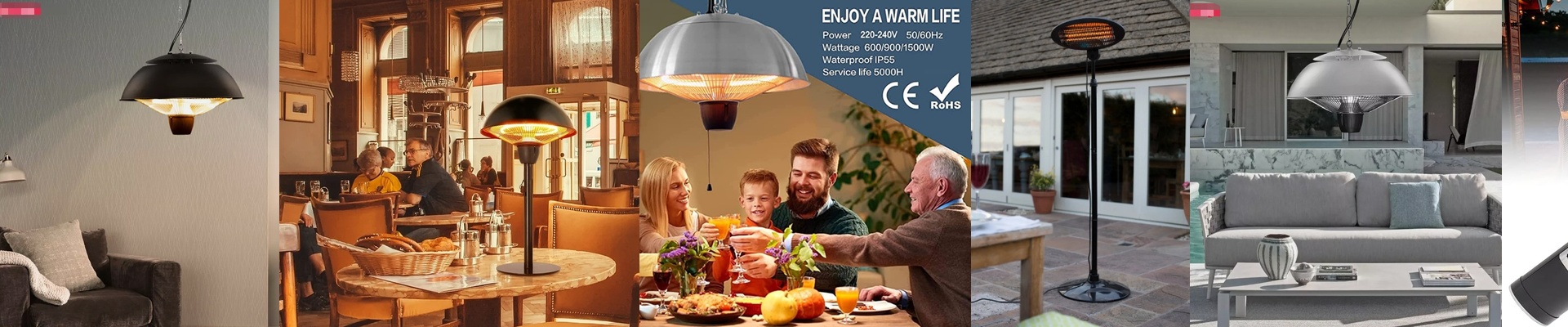
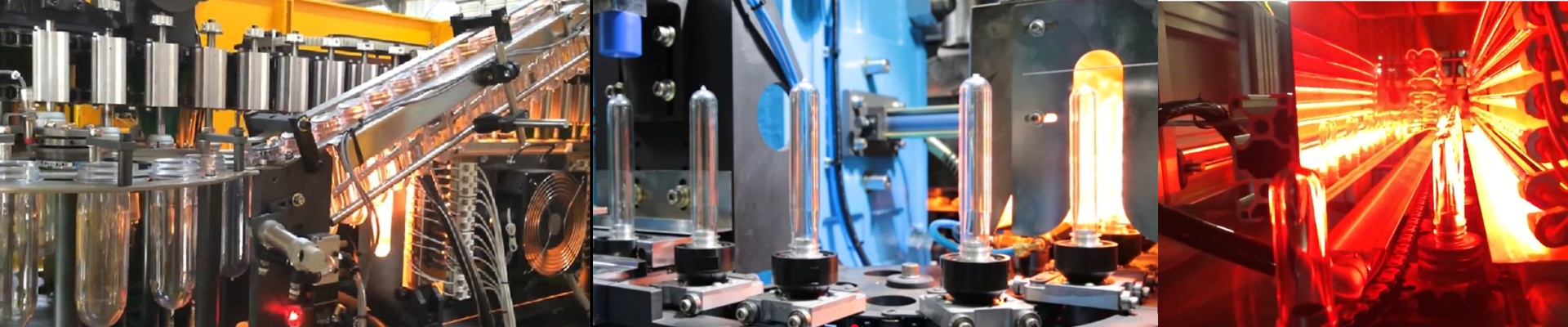
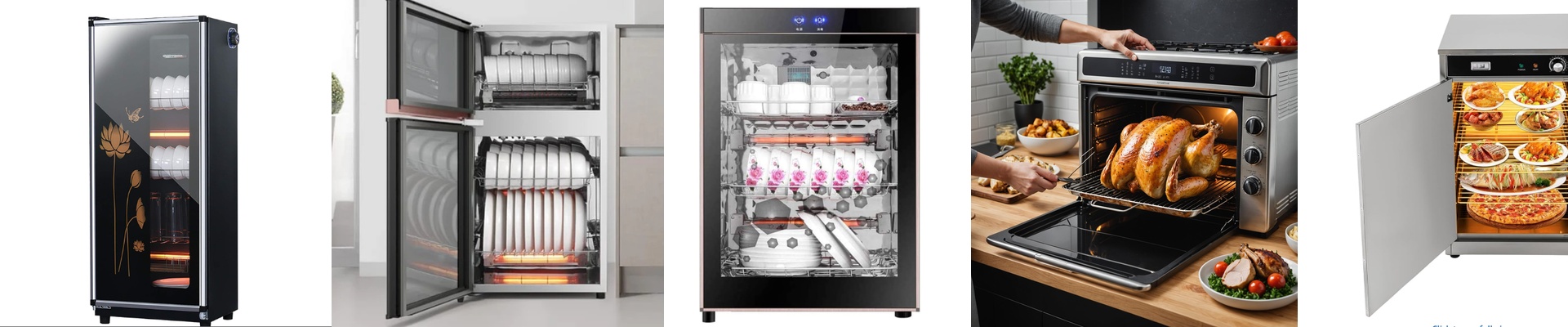
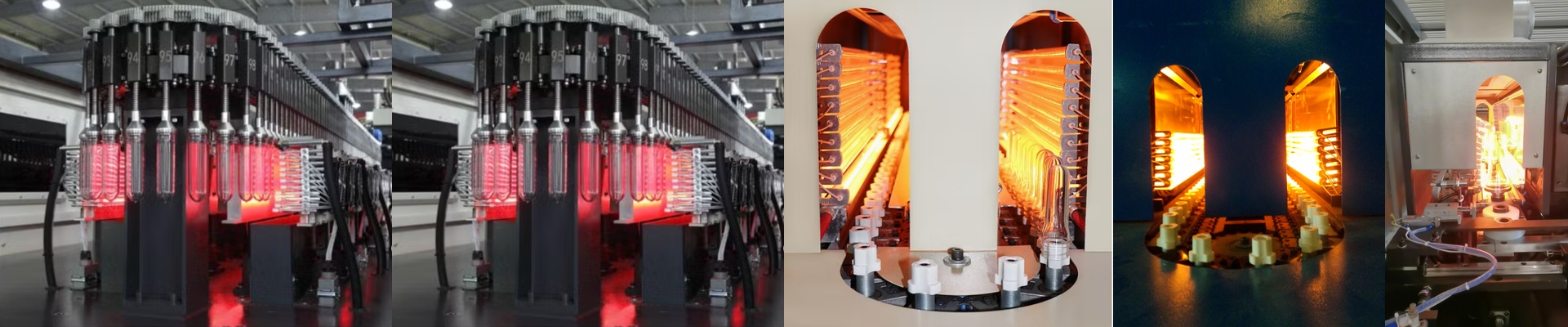
If you’re running a convection oven in a place where the room temperature jumps all over the place, your heating system is probably struggling. Standard heaters are usually too slow. They lag. By the time they catch up, you’ve either undershot your target or blasted the product with too much heat. It’s a great way to ruin a whole batch. That’s why we lean on black ceramic infrared (IR) emitters. Instead of just trying to warm up the air and hoping for the best, these things beam radiant energy straight at the target.
Why the black ceramic matters
Here’s the thing about that black coating: it changes the whole game. Clear quartz is fine, but the black surface helps the emitter absorb its own internal reflections and push way more energy outward as long-wave infrared radiation. In a convection setup, the fan does its job moving the air, but the IR emitter does the heavy lifting to keep the core temperature steady. And because ceramic doesn’t hold onto heat as stubbornly as a big chunk of cast iron, we can crank the heat up or dial it back almost instantly.
Keeping things steady in real-time
To stop the temperature from drifting, you need a feedback loop that actually reacts. We pair these emitters with high-precision PID controllers. When the ambient temperature dips, the system feels it and immediately spikes the power to the ceramic element. The radiant heat hits the product right away. It doesn’t wait for the air to warm up first. It just happens. That’s how you keep your internal environment stable without the constant worrying.
The trade-offs (The “Watch Out” part)
Now, you do get that precision, but it comes with a catch. These ceramic emitters getinsanely hoton the surface. If you get lazy with your wiring or cut corners on insulation, you’re going to fry your connectors or warp your chassis. You’ve got to make sure your housing can take the heat. Also, a quick tip: put your sensors close to the product, not just floating in the air stream. If you don’t, the PID loop will just keep hunting for the right temp and never actually settle.