Why We Switched to IR Heaters for Baking
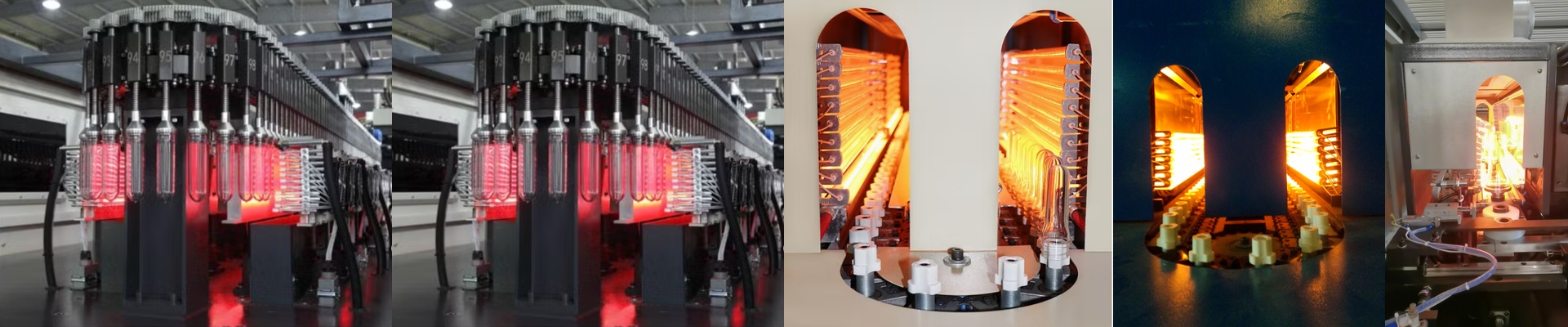
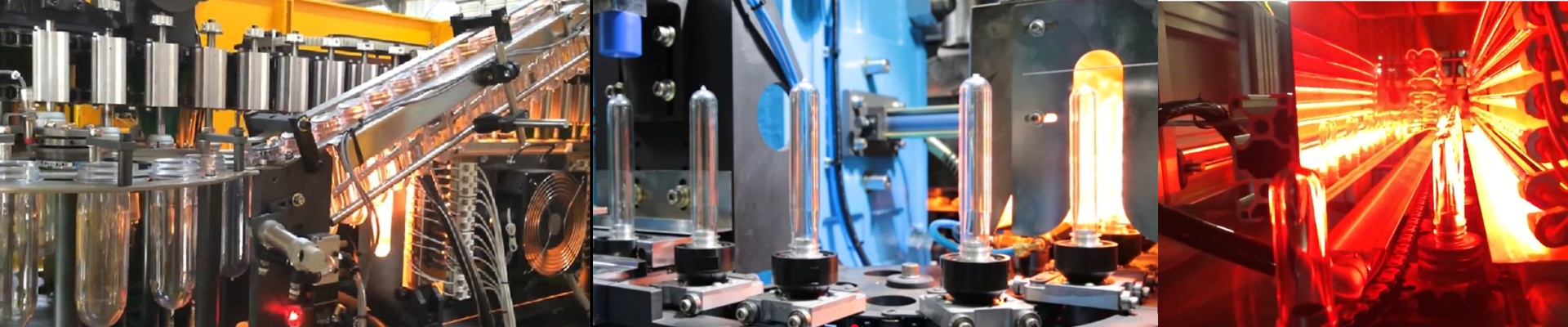
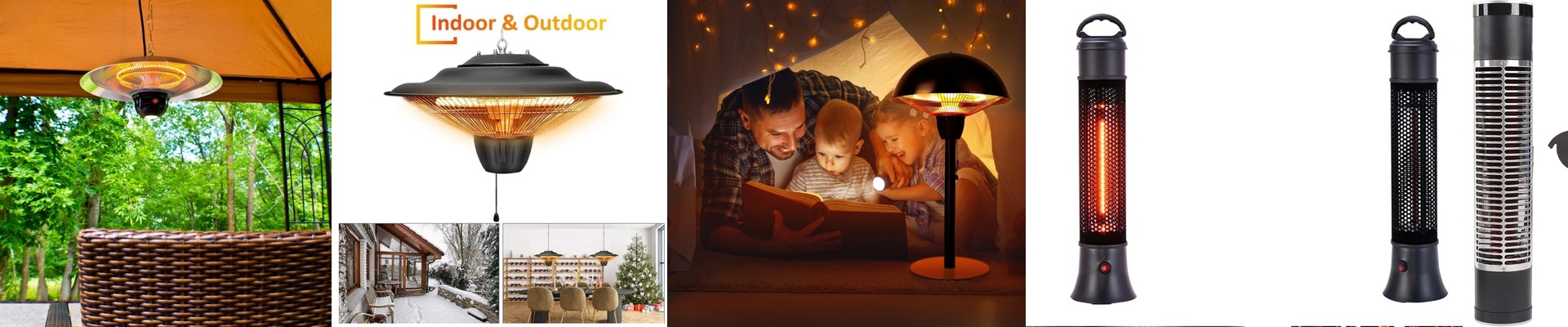
Most convection ovens are slow. They use these heavy heating elements that take forever to actually get up to temperature. It’s a waiting game. We decided to stop waiting. By swapping those old elements for short-wave infrared (IR) heaters, we’ve managed to turn minutes of waiting into a few seconds of action.
How it actually works
Think about a standard oven. It heats the air, and then the air heats your food. It’s a middleman system, and it’s sluggish. IR is different. It sends electromagnetic radiation straight to the surface of the food. Since the filament hits its peak temperature almost instantly, you don’t have to waste time “pre-heating” for long cycles. It also saves a lot of power. You aren’t just burning electricity while the oven sits idle. The moment the sensor hits the target, the power cuts. There’s no “thermal lag”—that annoying thing where the element stays red-hot and keeps dumping heat into the oven even after it’s supposed to stop.
The tricky part
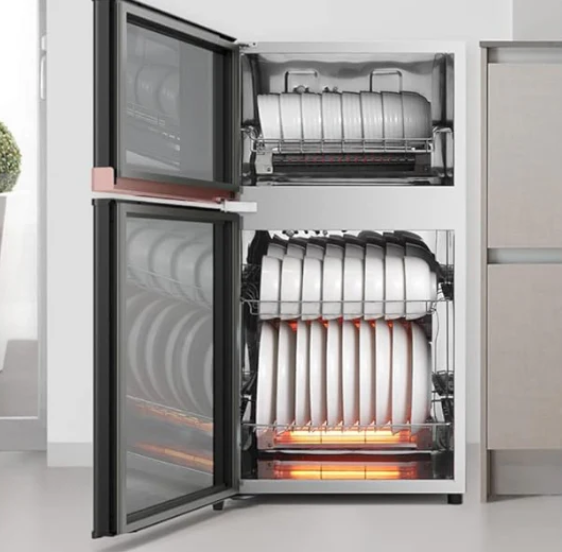
We don’t just throw these in; we tuck them right into the existing airflow paths. The IR lamps give you that initial, high-intensity burst, and the fans keep everything moving so you don’t accidentally scorch the top of your product. But you have to be smart about the setup. Because the response is so fast, your PID tuning needs to be spot on. If it’s off, the system will just hunt and oscillate, which is a headache. You’ll also want a fast-acting SSR (Solid State Relay). If you use a cheap one, those rapid switching cycles will burn out your contacts in no time.
The payoff
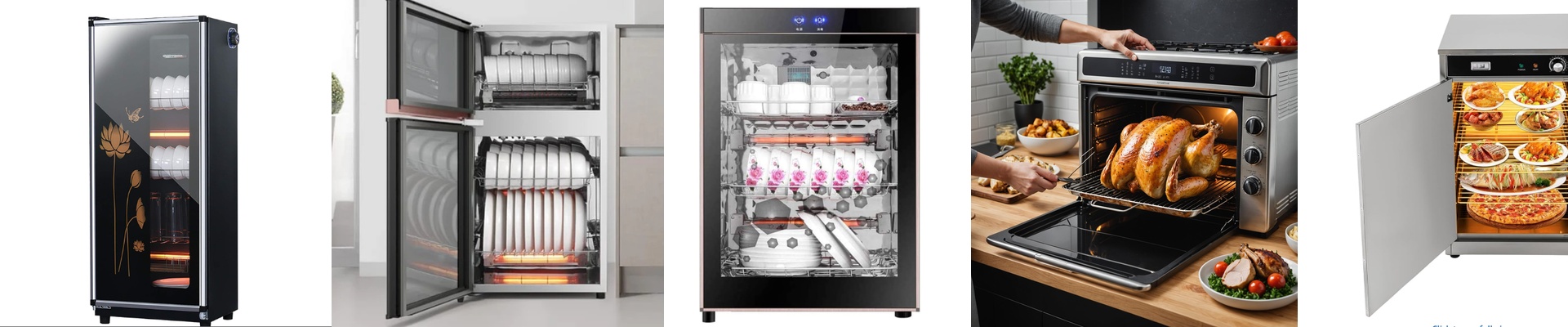
At the end of the day, this just makes the whole operation leaner. You get a much tighter temperature window and you push more product through the line. If you’re running a high-volume shop, cutting down that ramp-up time means your electricity bill actually drops. Just a heads-up: make sure your wiring can handle the peak current spikes during those first few bursts. It’s a lot of power hitting at once.