Stop Losing Money Every Time the Temperature Drops
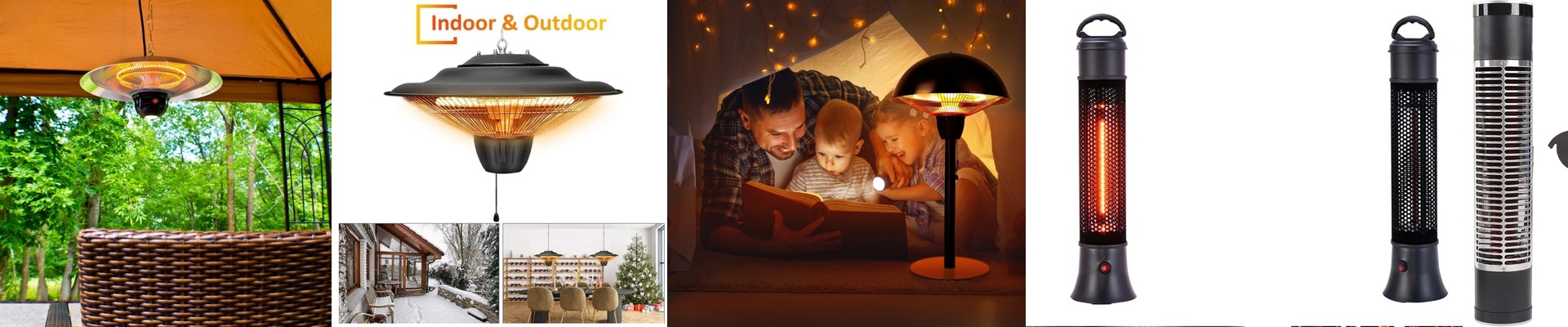
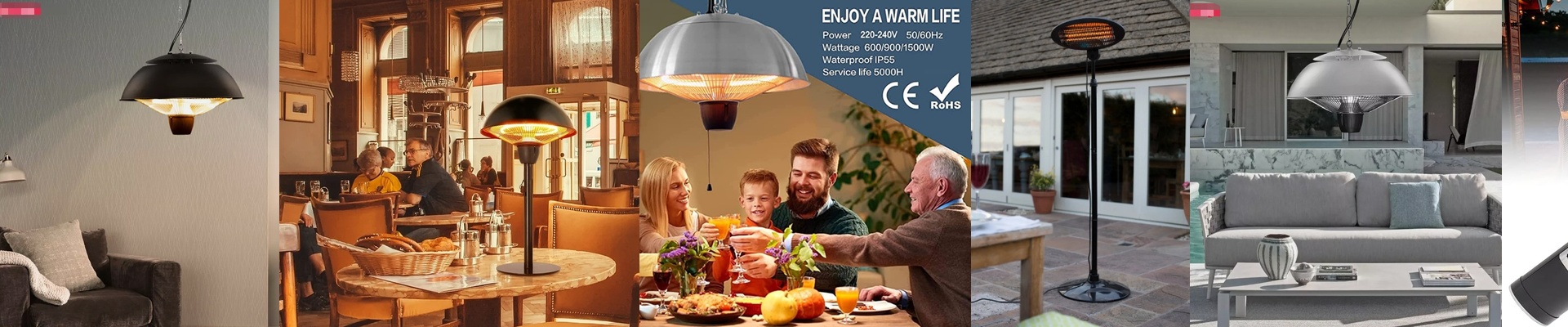
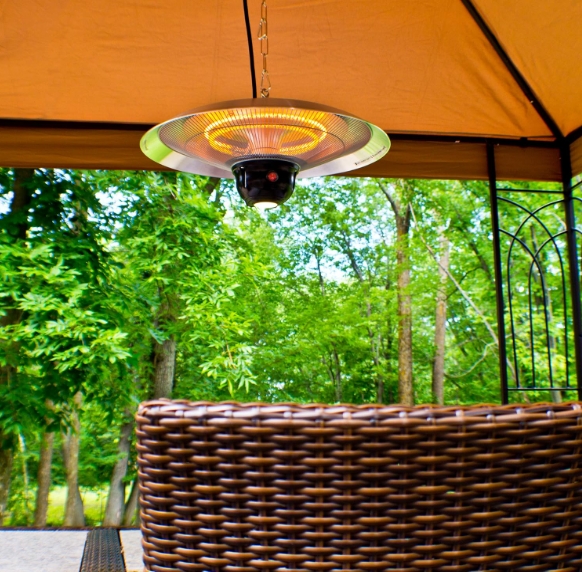
Let’s be honest: an empty patio in November is just a waste of space. Most restaurant owners try to fight the cold with those standard convection heaters, but they’re basically useless. Why? Because they try to heat the air. And the second a breeze kicks up, all that expensive heat just blows right away. We do things differently. We use shortwave infrared. Instead of fighting the wind, infrared goes straight to the source. It warms the guest’s skin and clothes directly. It feels like sitting in the sun on a crisp autumn day. Your guests stay warm, they stay comfortable, and—most importantly—they stay and order another round of drinks. The gear that actually works You can’t ask a guest to wait ten minutes for a heater to “warm up.” That’s a great way to lose a table. Our units use quartz halogen elements that hit their peak temperature in a few seconds. Flat out. And since these live outdoors, we built them to take a beating. They’re rated IPX4 and IP65, which is just a fancy way of saying rain and snow won’t fry your electronics. Now, a quick word on placement. A 2000W unit covers about a 3-meter radius. If you spread them too thin, you end up with “cold spots.” There is nothing worse than a customer shivering in one shoulder while the other is toasted. We usually suggest a tighter grid layout. It creates a consistent bubble of warmth over every single table. Built for the long haul Outdoor gear gets abused. Salt air, humidity, constant rain—it all eats through cheap metal. We use powder-coated aluminum housings to stop the rust before it starts. Even the wiring is reinforced because the constant heating and cooling can make cheap wires brittle and crack. As for where they go, you can put them on the walls or the ceiling. If you’ve got the option, go with the ceiling. It keeps your floor clear and lets you squeeze a few more tables into the warm zone. The one thing you can’t ignore Here is the catch: these things pull a lot of power. You can’t just plug five 2000W heaters into a standard wall outlet and hope for the best. You’ll trip the breaker in minutes. You need to make sure your electrical panel can actually handle the load. If your wiring is too thin, you’ll get voltage drops. That means your heaters won’t get nearly as hot as they should, and you’re basically paying for electricity you aren’t feeling. Getting your load balancing right from the start is the only way to make sure the system actually works when it’s freezing outside.