Getting More Bottles Out of Your Old Blowing Machine
If you’re running a mid-sized operation, you probably have a blowing machine that’s seen better days. It works, but it’s slow. You’re staring at the clock, wishing you could hit those target cycle times without having to drop a fortune on a brand-new machine. Here’s a secret: you don’t always need a new machine. Sometimes, you just need better heat.
The trick is in the heat density
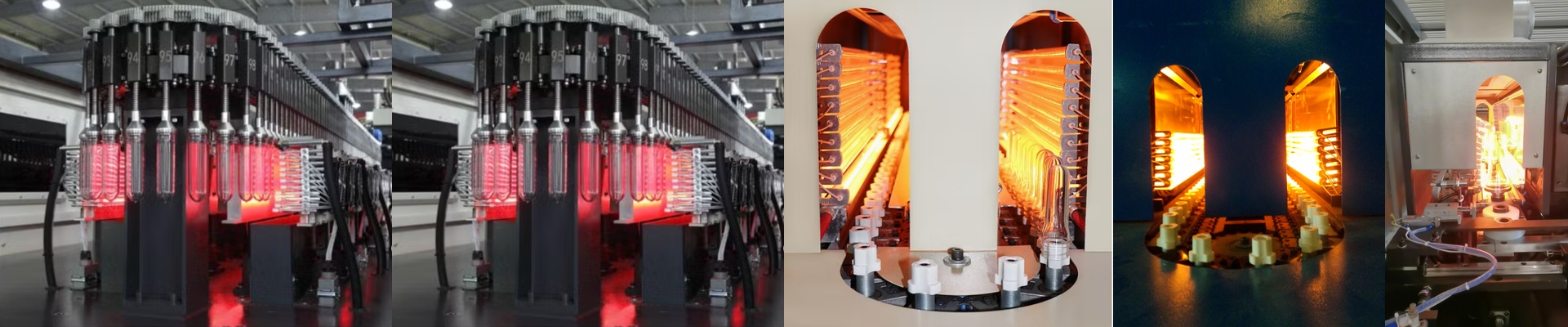
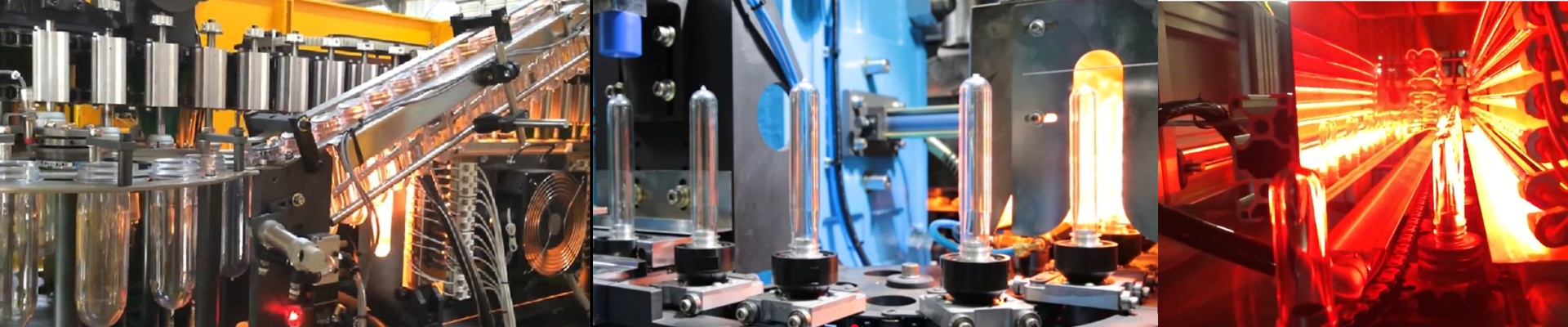
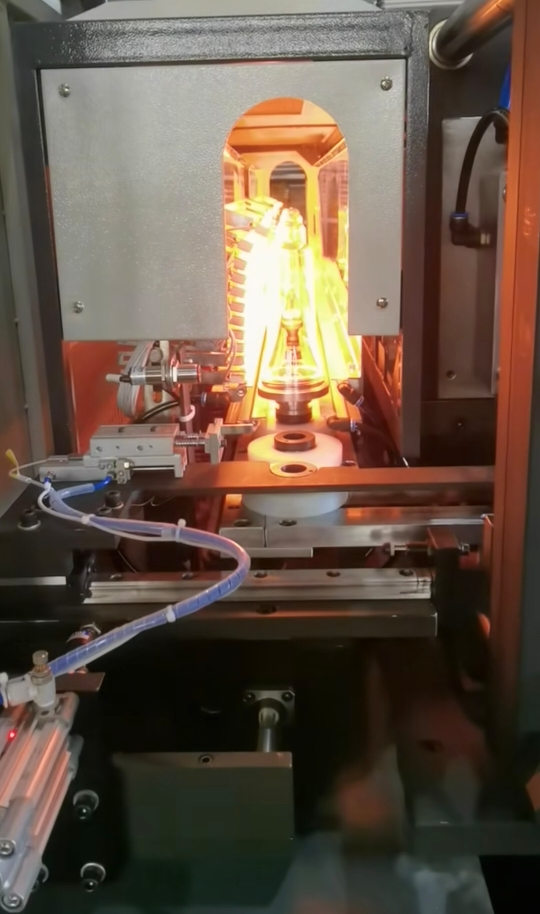
It all comes down to how fast you can get that preform up to the right temperature for stretching. We use short-wave IR lamps because they punch through the plastic way faster than the long-wave stuff. By bumping up the wattage or tightening the voltage, you’re basically shoving more heat into every square centimeter. The result? The preforms spend less time sitting in the heating zone.It’s faster. Much faster.
No need to rewire the whole shop
We make these lamps out of high-purity quartz glass. Why? Because they need to handle the shock of heating up and cooling down rapidly without cracking. We also fill them with halogen gas so the filament doesn’t just burn out and disappear. The best part is the fit. Most of our units use R7s or SK15 connectors. They’re simple drop-in replacements. You just swap them out and go. No need to tear apart your control cabinet or spend a weekend rewiring everything.
A few things to watch out for
Now, this isn’t some magic wand. You can’t just throw in a 2500W tube and call it a day. That much power puts a real strain on your power supply. Before you swap, double-check that your transformers can actually handle the extra load. And keep an eye on your temperatures. When you heat things up this quickly, you risk getting “hot spots” or scorched plastic. If your cooling fans are old or weak, they might struggle to keep the oven ambient temperature under control.
The real-world win
If your machine is just idling because the preforms aren’t getting warm enough, stop looking at new catalogs and look at your lamps. Switching to a coated IR lamp lets you aim that energy right at the PET wall. It cuts down on waste and shaves seconds off your cycle. It’s a cheap, smart way to squeeze more bottles per hour out of the equipment you already own.