The Truth About Lead-Wire Seals in Outdoor Heaters
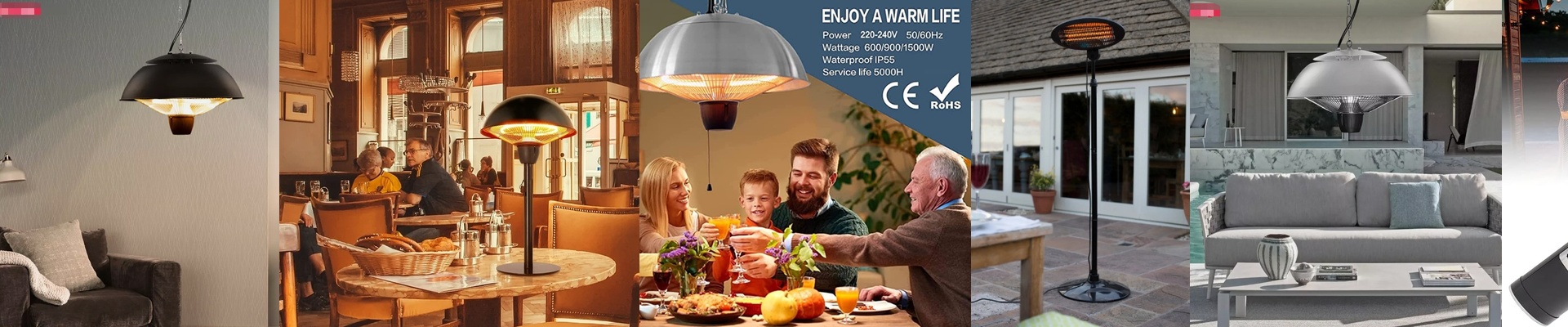
If you’re building an outdoor heater to hit an IP65 rating, here is the real secret: the heating element is rarely what kills the unit. The real nightmare is where the lead wires enter the housing. In a high-wattage infrared setup, those junctions are basically in a war zone. They’re getting hammered by moisture on one side and extreme heat on the other. When that seal gives up, you’re looking at water leaking in or the insulation melting away. Either way, you end up with a dead short and a very expensive paperweight. Why most seals fail Most “consumer-grade” heaters just throw in a basic rubber gasket and call it a day. But rubber has a habit of drying out and shrinking when it’s constantly heating up and cooling down. Once a tiny gap opens up, moisture creeps in and hits those hot terminals. It’s a recipe for disaster. We’ve seen it happen way too often—the wire insulation just isn’t rated for the heat at the junction, the jacket melts, and the whole thing shorts out. Doing it the right way We take a different approach. Instead of just hoping a gasket holds, we use a multi-stage process. Think high-temp silicone potting or specialized heat-shrink sleeves that actually bond to the chassis. It creates a tight, airtight seal that doesn’t budge. We also swap out standard wiring for fluoropolymer-insulated leads. That way, the wires don’t fry, even if the heater is cranking at full blast for hours on end. The honest trade-off Now, there is a catch. A professional, fully sealed system is a pain to repair in the field. You can’t just strip a wire and slap on some electrical tape if someone accidentally cuts the cable; you have to replace the entire sealed assembly to keep that IP65 protection. It’s a trade-off, for sure. You lose that “quick fix” convenience, but you stop the random, frustrating short circuits that make cheap outdoor installs such a headache. Your life changes from constantly putting out fires to just doing a quick, scheduled check-up every now and then.