Fixing Those Annoying Cold-Spots in Big Rotary Ovens
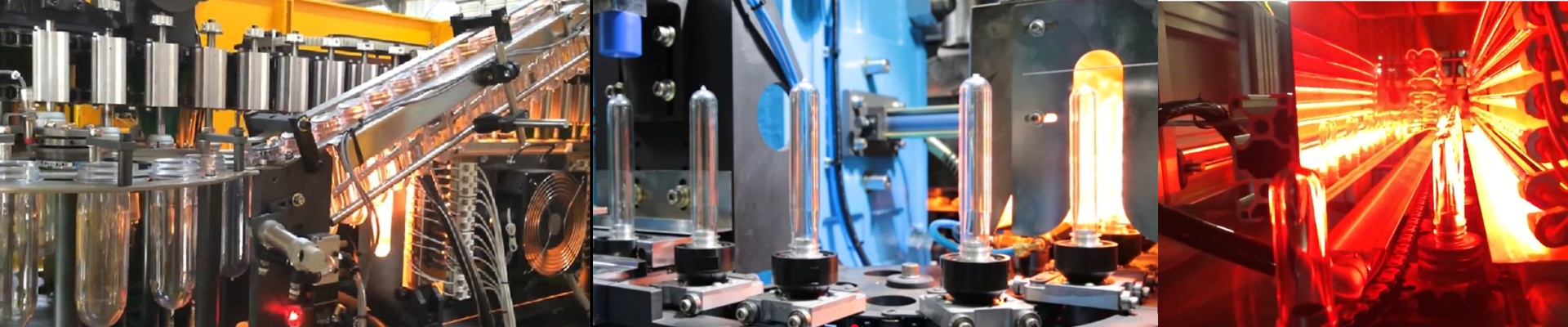
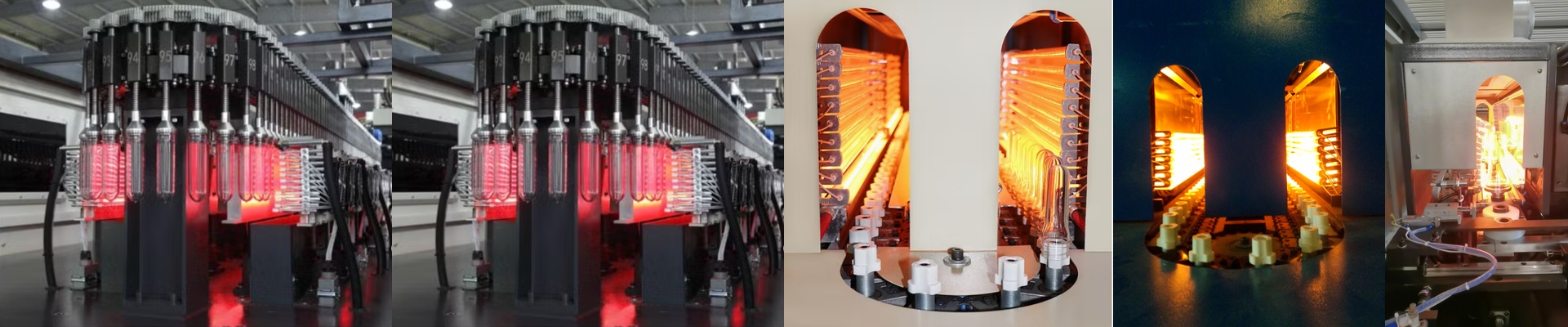
If you’ve spent any time with a large rotary oven, you know the struggle. You pull out a rack of bread and everything looks great—except the edges. You’ve got pale crusts and under-baked spots right where the chamber hits the perimeter. It’s frustrating. Standard convection just doesn’t always reach those corners, and relying on air alone usually leaves you with a mixed bag of results. We found a way to fix this by adding short-wave infrared (IR) elements right around the edges of the oven. Why IR actually works Here’s the thing: convection is all about moving air, which takes time. IR is different. These lamps shoot energy directly into the product. We use high-density quartz tubes that heat up almost instantly. You aren’t sitting around waiting for the entire mass of air in the oven to get up to temperature before the edges of your bread start to color. The heat hits the surface immediately. It’s fast. Really fast. Getting it installed We don’t make this complicated. These lamps are basically drop-in replacements for your standard heating arrays. To make sure things don’t get messy, we use industrial-grade connectors. Why? Because rotary ovens shake. A lot. We wanted to make sure your wiring stays put while the rack is spinning. We also tweak the voltage and the length of the tubes based on your specific setup. Every rack has a different “thermal mass,” so we tune the output to make sure the heat actually penetrates the outer shell of the oven instead of just bouncing off. A couple of things to watch out for Now, it’s not all magic. There are a few trade-offs. First, these IR elements pull a lot of power. If you’re retrofitting an old oven, you’ve got to check your wiring and contactors. If your electrical system can’t handle the extra amperage, you’re just going to burn out your elements prematurely. It’s worth a quick check with an electrician before you flip the switch. Then there’s the positioning. You can’t just slap these in anywhere. If the lamps are too close to the rack, you’ll torch the crust before the inside of the loaf even knows it’s in an oven. We use a specific offset distance to make sure you get that perfect balance of a crisp surface and a fully baked center.