Stop the Bathroom Mold Battle with Infrared
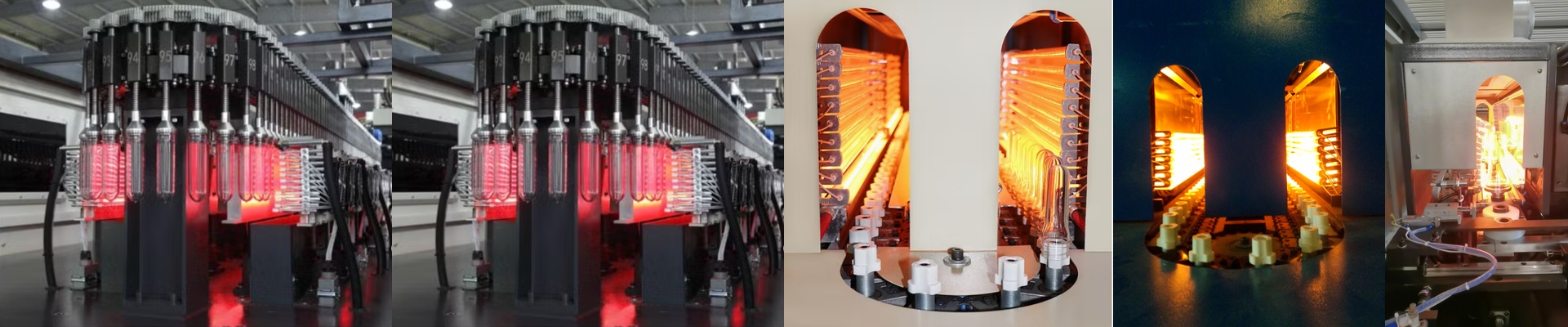
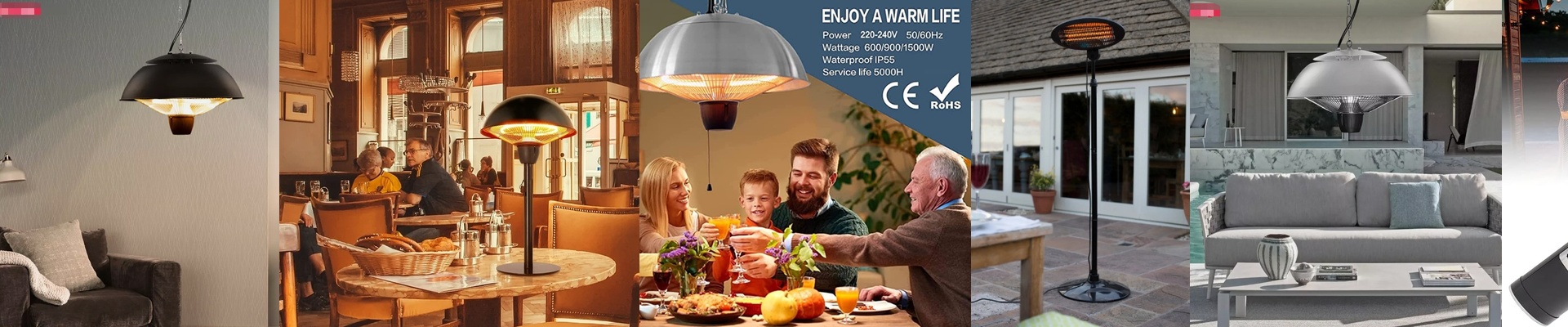
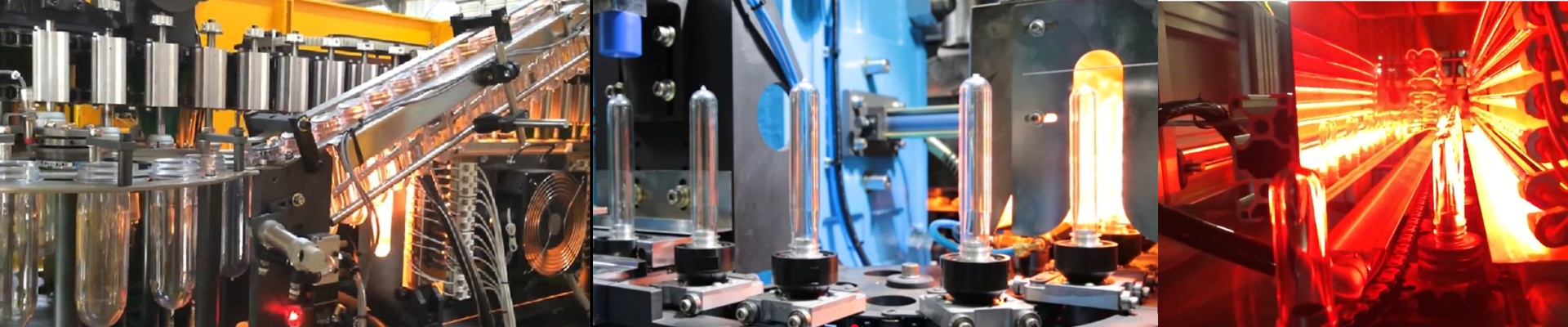
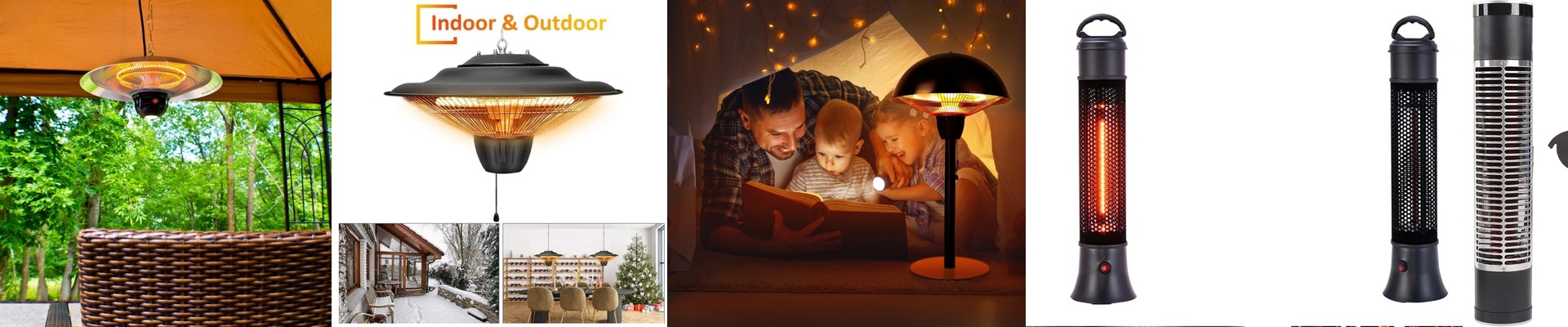
Most of us just think of those bathroom heat lamps as a way to stop shivering while we get dressed in the morning. But if you look under the hood, there’s some pretty cool science happening. We’re talking about shortwave infrared light. It doesn’t just warm up the air—it actually reaches into the surfaces of your room. Here is why that matters. Standard heaters just blow hot air around. The problem is that the air gets warm, but your walls stay cold. That’s how you get condensation, and condensation is basically an open invitation for mold to move in and start a colony. Our infrared lamps work differently. Instead of focusing on the air, they send out energy that hits your walls and ceiling directly. Think of it like this: the energy makes the water molecules on your walls vibrate. This bumps the temperature up quickly, forcing the water to evaporate before it has a chance to settle. Since the surfaces stay dry, mold spores have nowhere to grab onto. You’re basically solving a biological headache with a bit of physics. It’s all about the wavelength. We’ve tuned these lamps to a specific shortwave frequency. Why? Because shortwave travels further and hits harder than the longwave stuff. It puts the heat exactly where the moisture likes to hide. And it’s fast. Like, instant fast. There’s no waiting around for the room to “warm up.” The second you flip the switch, the heat is hitting the target. That immediate spike is what actually clears out the dampness. A quick heads-up, though. These lamps put out a lot of heat at the source. You can’t just shove them into any old light fixture. If the housing isn’t rated for that kind of thermal load, you risk melting the plastic or tripping your circuit breaker. It’s a bit of a trade-off: if you cheap out on the fixture, you’ll bake your ceiling before you ever dry your walls. Plus, don’t forget your exhaust fan. Use a timer to pull that evaporated moisture out of the house, and you’ve got a system that actually works.